By Aremu Toyeebaht
The Lagos State Waterways Authority (LASWA), in collaboration with the Presidential Initiative on Compressed Natural Gas (PiCNG), has announced a strategic push to deploy CNG-powered ferries across the state’s inland waterways. The project is part of a broader effort to reduce carbon emissions, lower operational costs for transporters, and improve the efficiency of Lagos’ water-based public transport system.
At a high-level stakeholder session involving boat operators, marine engineers, and energy firms, the conversation extended beyond emissions reduction, as participants discussed how transitioning to CNG could dramatically cut operational costs for ferry operators, create new technical jobs, and ignite private sector participation in sustainable transport ventures.
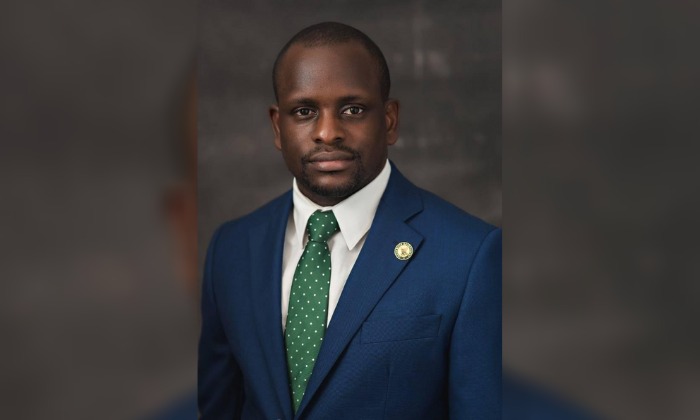
LASWA General Manager, Mr. Oluwadamilola Emmanuel, said the transition to cleaner fuel sources is not just an environmental necessity but a strategic investment in Lagos’ transport future. “CNG offers a cheaper, cleaner, and safer alternative that can transform marine mobility in Lagos,” he said.
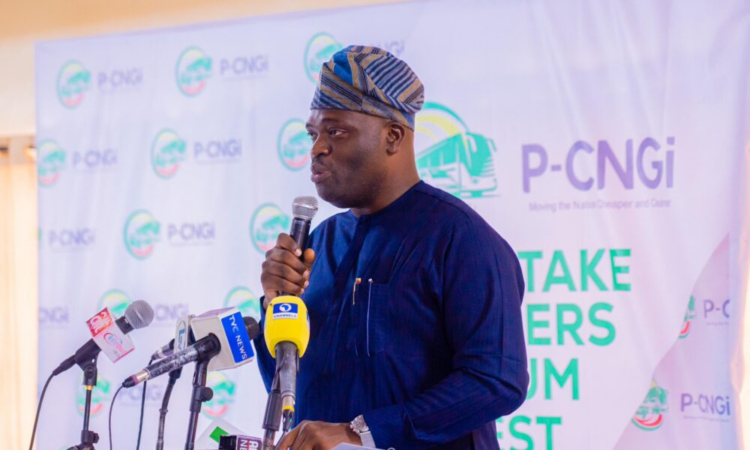
According to PiCNG CEO Engr. Michael Oluwagbemi, the marine application of CNG could unlock new growth opportunities. “We are supporting this effort with a robust policy and financing framework. Our goal is to help LASWA demonstrate that marine innovation is not only possible but scalable,” he stated.
More than a climate milestone, Lagos’ ferry upgrade plan signals a shift in subnational leadership — proving that city-level innovation can outpace federal mandates and drive real change.
With its dense population, traffic congestion, and growing demand for sustainable options, Lagos could soon set the national standard for clean energy adoption in transport — both on land and at sea.