By Julian Osamoto
SOS Children’s Villages Nigeria, has called for greater inclusion of young people in the design and delivery of education policies as the world marks the 2026 International Day of Education.
The call was contained in a statement signed by the National Director of SOS Children’s Villages Nigeria, Eghosa Erhumwunse, in line with this year’s theme, “The Power of Youth in Co-Creating Education.”
The organisation said Nigeria’s large youth population makes education a critical development priority but noted that significant challenges remain despite efforts to expand access to schooling, revise the national curriculum, strengthen teacher training and improve learning environments.
According to the statement, many children are still out of school, while others learn in overcrowded and under-resourced classrooms.
SOS Children’s Villages maintained that investments in infrastructure, learning materials, water and sanitation facilities, and teacher retraining are essential but may not guarantee improved learning outcomes without meaningful youth participation.
It notes that global evidence shows youth involvement through participatory curriculum design, peer learning, youth-led research and advisory roles contributes to better learning outcomes and a stronger sense of ownership.
The organisation linked this approach to Nigeria’s efforts to achieve Sustainable Development Goal 4 on quality education.
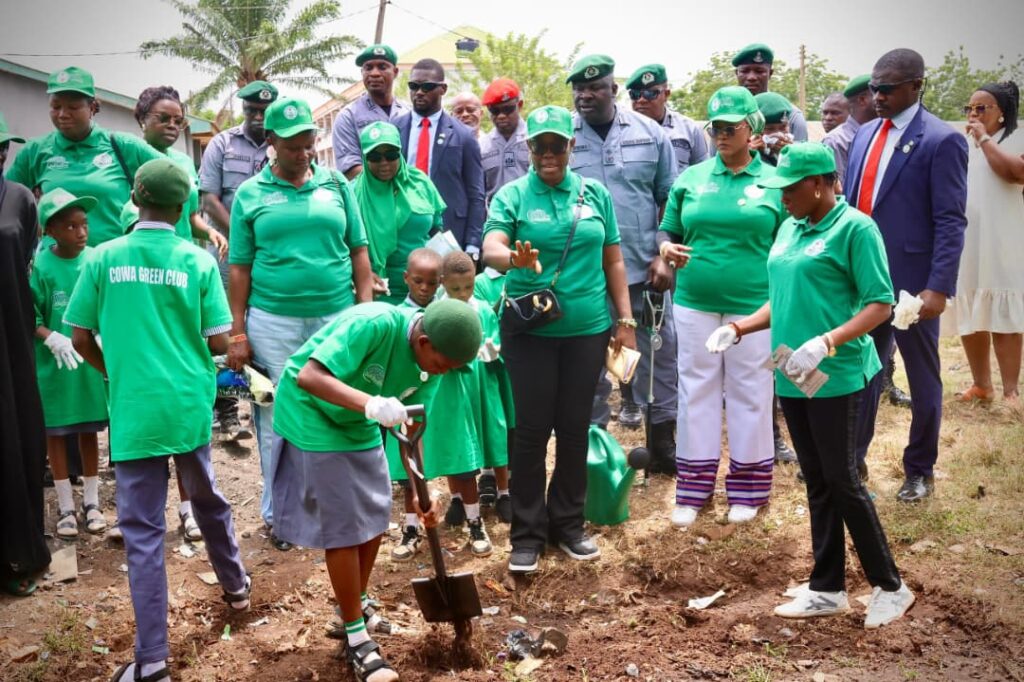
As part of its interventions, SOS Children’s Villages highlighted activities under its Eco Champions platform, which supports youth-led education and sustainability initiatives.
The statement cited a climate education project in Calabar where a young participant developed a Climate Playbook to promote practical environmental learning.
According to the organisation, 400 copies of the playbook were produced, with 360 distributed to students across eight secondary schools and 40 donated to school libraries.
It says students showed particular interest in sections focused on upcycling waste into reusable items, describing the project as promoting practical skills and environmental awareness.
The statement also called for sustained investment in school infrastructure, teacher development, learning materials and safe learning environments, alongside increased youth participation in education planning and skills development.
Erhumwunse said education systems that involve young people in decision-making are more likely to deliver relevant and sustainable outcomes, and urged stakeholders to strengthen partnerships with youth in efforts to improve education in the country.