By Oluwakemi Kindness
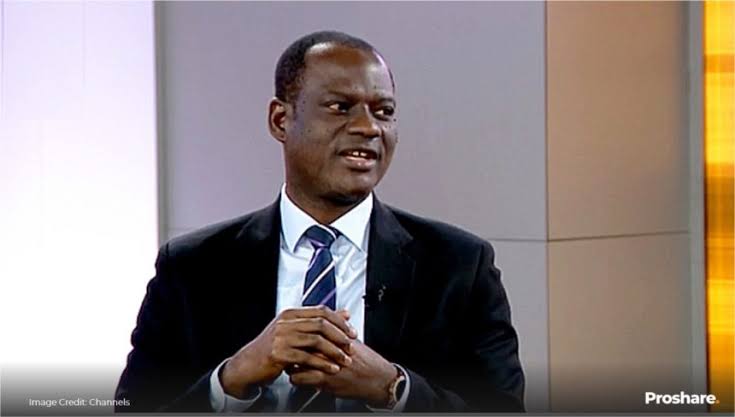
The Vice President, Kashim Shettima, and former Director-General of the Budget Office, Ben Akabueze, have called for urgent reforms to Nigeria’s budgeting system, warning that weak structures and poor implementation are undermining national development.
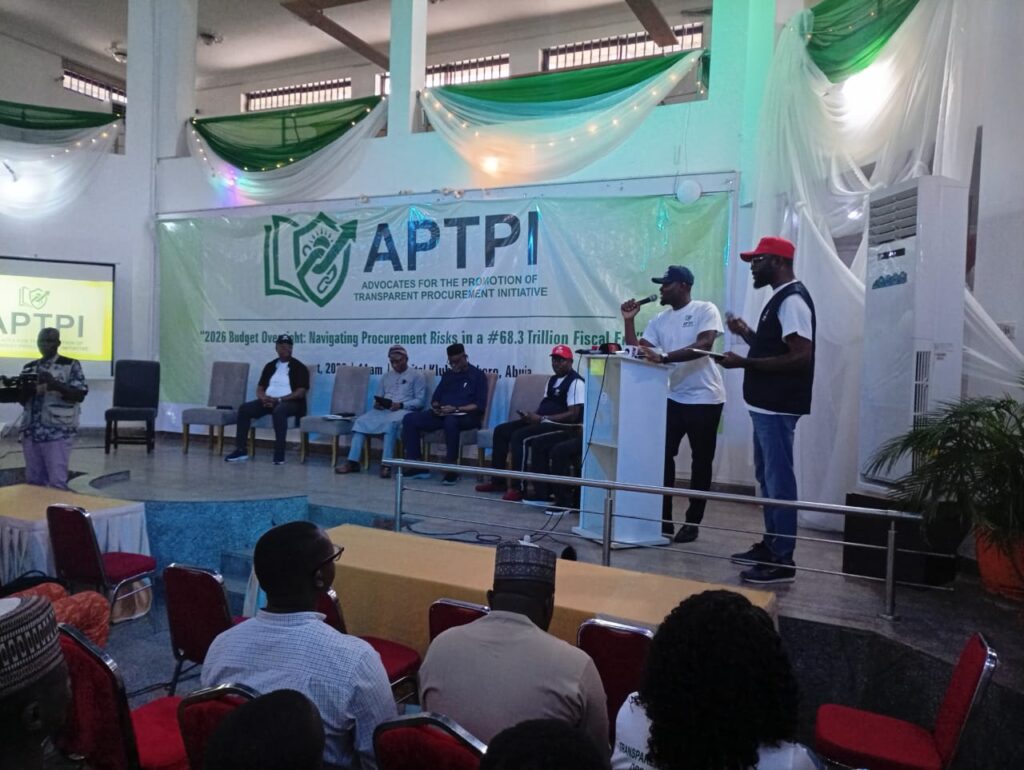
They spoke at a two-day National Policy Dialogue organised by the National Assembly Joint Committee on National Planning and Economic Development in Abuja on Tuesday.
Chairman of the committee, Ibrahim Mustapha, said the dialogue was convened to address gaps between national development plans and budgeting, and to chart a path toward sustainable economic growth.
Budget System “Not Governed by Clear Laws”
Akabueze raised concerns over the absence of a strong legal framework guiding Nigeria’s budget process.
“Our budget process is not governed by clear laws and rules,” he said, noting that vague constitutional provisions have contributed to inefficiencies and recurring executive-legislative conflicts.
56,000 Abandoned Projects
Akabueze cited over 56,000 abandoned projects nationwide as evidence of a disconnect between planning and execution.
“A budget should be the compass that directs resources toward development priorities,” Akabueze said, stressing that the current system has failed to deliver expected development outcomes.
He called for a shift from expenditure-based budgeting to one focused on measurable results.
Push for Sustainable Budgeting
On his part, Shettima, represented by Tope Fasua, emphasised the need for a more realistic and sustainable budgeting framework tied to long-term national plans.
“Budgeting is not a process of reviewing past limitations, but one that documents a greater future and challenges us to do better,” he said.
He also defended the expansion of the 2026 budget, noting that bigger budgets are necessary to drive growth and improve living standards.
Reform Imperative
Stakeholders at the dialogue agreed on the need for stronger legal backing, better alignment between plans and budgets, and improved implementation to ensure public spending delivers tangible development outcomes.