By Oluwakemi Kindness
The Nigeria Customs Service has intensified efforts to modernize trade operations through technology-driven reforms aimed at improving efficiency, transparency, accountability, and trade facilitation across the country.
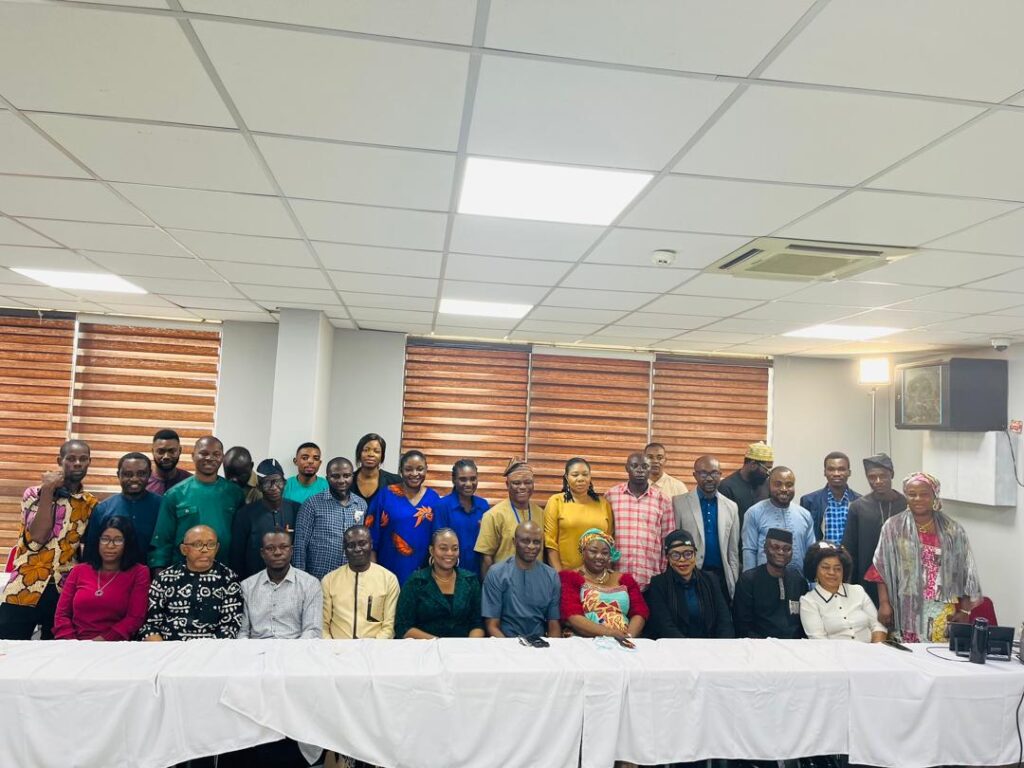
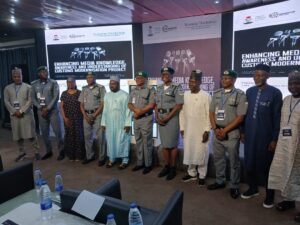
This formed the focus of a training workshop organized for journalists on the Nigeria Customs Service Trade Modernisation Project.
The Comptroller-General of Customs, Adewale Adeniyi, was represented at the event by the Deputy Comptroller-General in charge of Enforcement, Inspection and Investigation, Timi Bomodi.
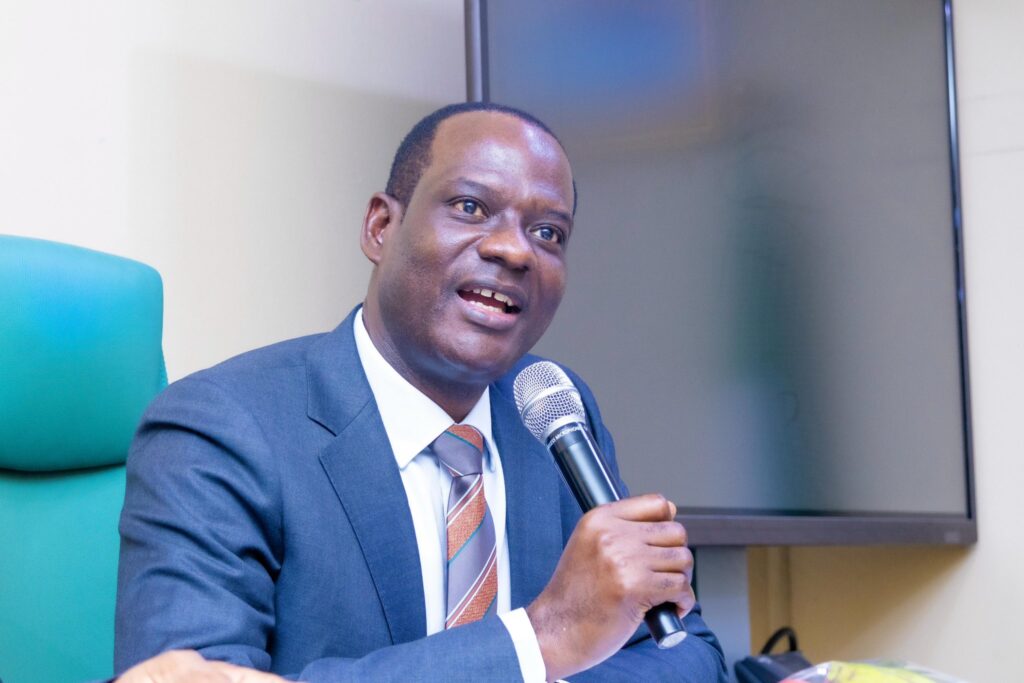
Speaking on behalf of the Comptroller-General, Bomodi described the Trade Modernisation Project as a comprehensive initiative designed to eliminate inefficiencies and create a seamless, predictable, and technology-driven trading environment.
According to him, the project aligns with global customs standards increasingly driven by digital technology, data management, operational efficiency, and accountability.
He said the customs service remains committed to strengthening revenue generation, trade facilitation, and border security through innovative systems and digital transformation.
Customs modernisation reforms improving operations
Bomodi noted that the Nigeria Customs Service has recorded significant progress in recent years through improvements in systems, procedures, and operational processes aimed at meeting international best practices.
He added that the reforms go beyond operational changes and also focus on improving communication with the public.
According to him, the media plays a critical role in helping Nigerians understand ongoing reforms within the customs sector.
Describing journalists as key partners in national development, he said the media serves as a bridge between institutions and the public by shaping narratives and influencing public perception.
He urged journalists to deepen their understanding of customs operations, global trade dynamics, and sector innovations to ensure accurate, balanced, and informed reporting.
The Customs official also commended journalists for their professional and objective coverage of customs activities, praising their courage and discipline in reporting without bias.
He reaffirmed the service’s commitment to transparency, professionalism, and service excellence, assuring stakeholders that the reforms would continue to benefit Nigeria’s economy and trading community.
ICT reforms driving Customs digital transformation
Also speaking, the Deputy Comptroller-General in charge of ICT and Modernization, Oluyomi Adebakin, described the media as a vital partner in promoting accountability, transparency, and public understanding of customs reforms.
Adebakin explained that the workshop was designed to equip journalists with the knowledge needed to effectively report on the customs modernization agenda and the role of technology in transforming customs operations.
He highlighted several digital initiatives currently driving the modernization process, including:
• Unified Customs Management System (B’Odogwu)
• Customs Verification Management System
• Electronic Cargo Tracking System
• Non-Intrusive Inspection Technology
• Authorized Economic Operator Scheme
• Advance Ruling System
• One-Stop Shop platforms
According to him, the reforms are expected to:
• Increase revenue generation
• Reduce cargo clearance delays
• Improve trade facilitation
• Strengthen border security
• Combat smuggling and terrorism
• Boost economic growth
He also urged the media to continue serving as constructive watchdogs by promoting accurate reporting and providing feedback that would improve service delivery within the customs system.
TMP seeks stronger media collaboration.
Similarly, Executive Director of Trade Modernization Project Limited, Ahmed Ogunshola, said the workshop was organised to ensure accurate public information about the modernization project through stronger collaboration with journalists.
He explained that the engagement would help media professionals better understand the project’s implementation process and encouraged participants to ask questions and seek clarifications throughout the training.
Meanwhile, the General Manager of the Trade Modernisation Project, Bamidele Chinedu, urged journalists to support ongoing customs reforms through accurate, clear, and professional reporting.
Chinedu described the training as an important step toward strengthening media understanding of the modernization initiative.
According to him, the media remains a critical partner in communicating the objectives, progress, and impact of customs reforms to Nigerians.
He encouraged journalists to actively engage during the workshop and apply the knowledge gained in their various media organisations to ensure balanced and informed reportage.
Chinedu also appreciated participants for their continued support and reaffirmed the commitment of the Trade Modernisation Project to promoting transparency and public awareness through collaboration with the media.