By Sofiat Adenekan-Abdul
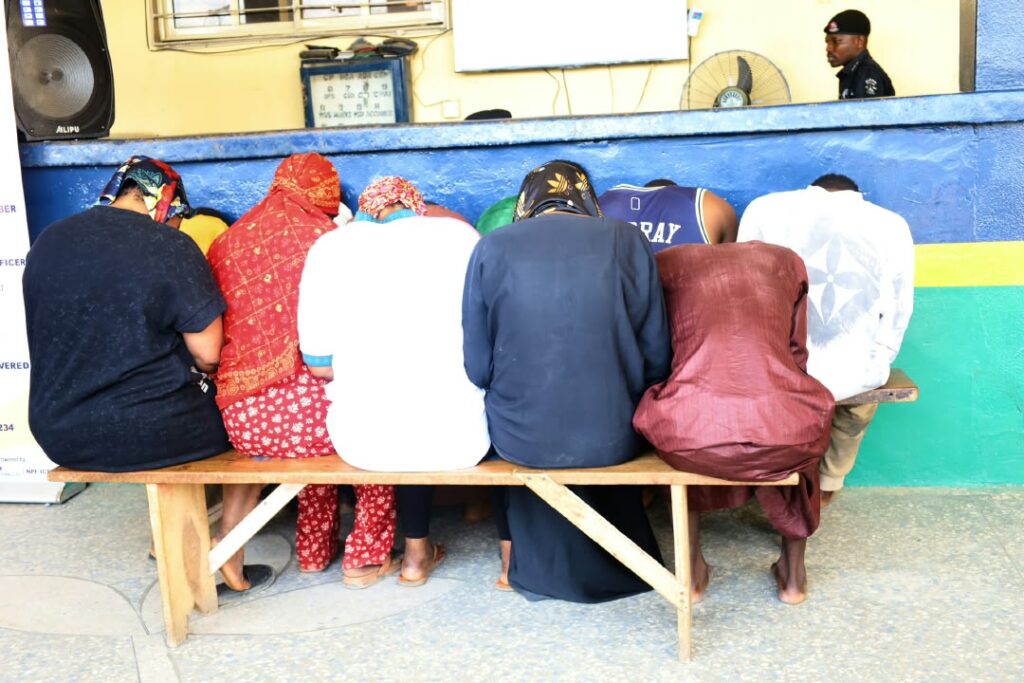
Stakeholders have called for stronger legislative action, improved child protection systems, and greater investment in education and rehabilitation programmes to address the growing challenge of child recruitment in armed conflicts across Nigeria.
The call was made during a policy dialogue on Strategies Against Child Recruitment in Armed Conflicts in Nigeria, organised by the Legislative Centre for Security Analysis (LeCeSA) of the National Institute for Legislative and Democratic Studies (NILDS) in collaboration with the University of Exeter, United Kingdom.
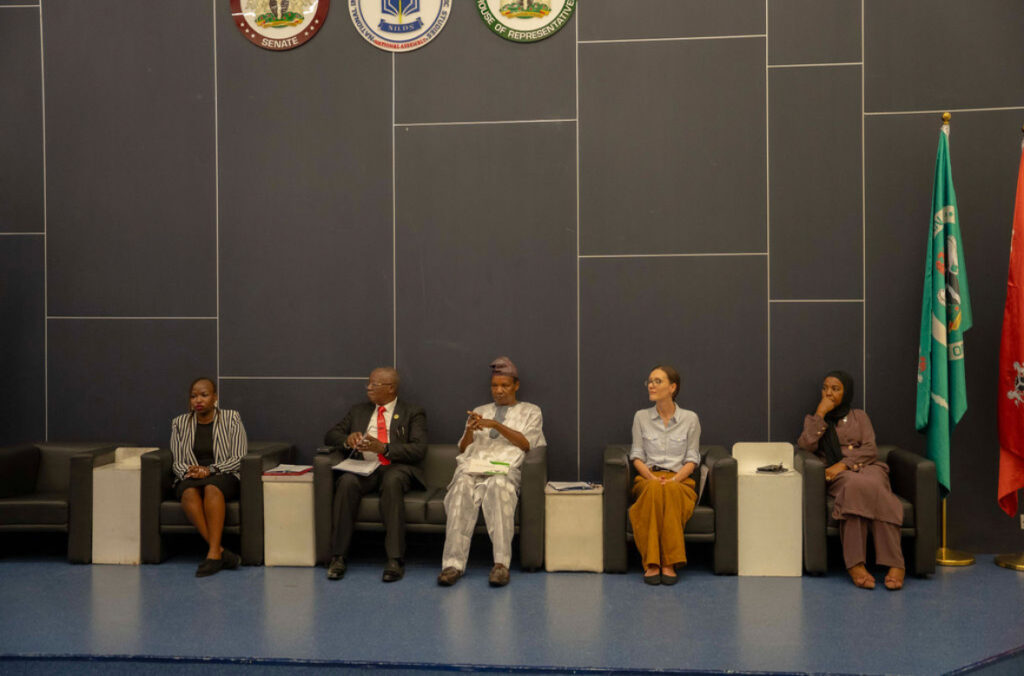
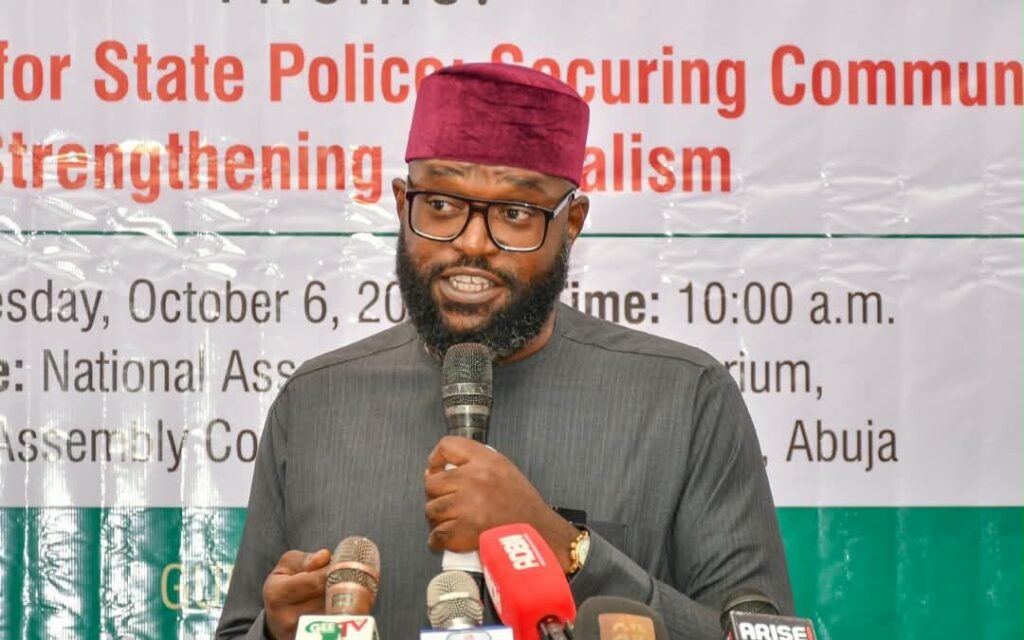
Speaking at the event in Abuja, the Director-General of NILDS, represented by Dr. Asimiyu Abiola, described the recruitment of children into armed conflicts as a grave violation of human rights and a threat to national security, social cohesion and sustainable development.
According to him, insurgency, banditry and communal conflicts have exposed many children to manipulation, coercion and forced participation in violence.
He stressed the need for stronger legal frameworks, effective oversight of security institutions and adequate funding for rehabilitation and reintegration programmes for affected children.
The Director-General also advocated a multi-sectoral approach involving government institutions, security agencies, civil society organisations, development partners and local communities to tackle the root causes of child vulnerability.
He noted that poverty, lack of access to education and weak social protection systems continue to expose children to exploitation by armed groups.
In a goodwill message delivered on behalf of UNICEF Nigeria, the organisation described child recruitment as not only a child protection concern but also a human rights, humanitarian, development and national security issue.
UNICEF highlighted ongoing efforts to support the implementation of Nigeria’s handover protocol for children encountered during military operations, aimed at ensuring that affected children are treated primarily as victims and transferred to appropriate authorities for rehabilitation and reintegration.
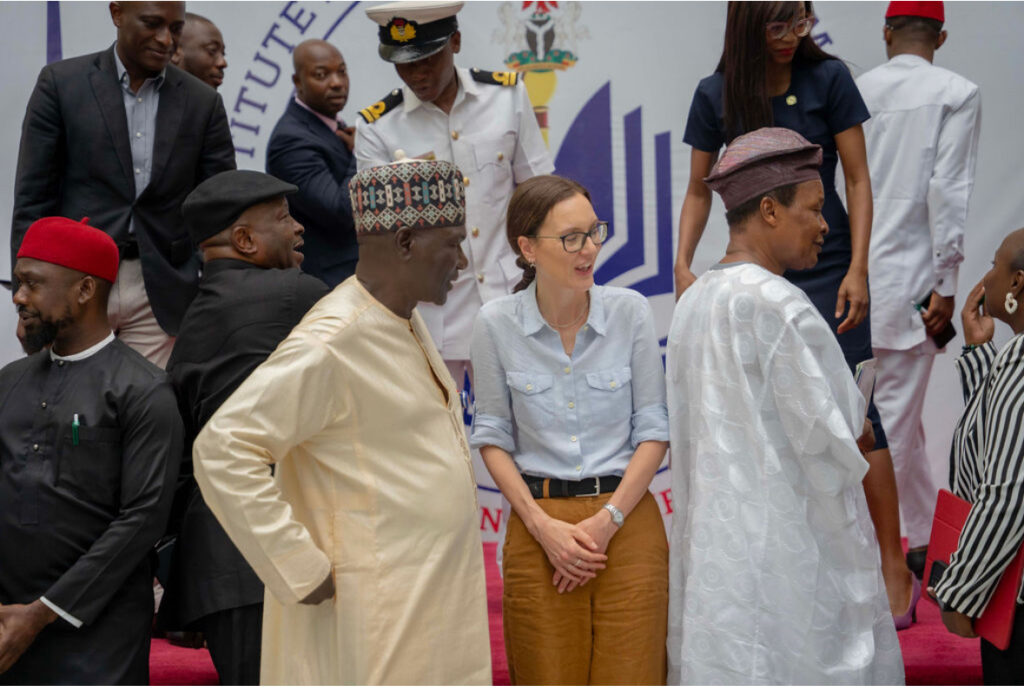
The agency disclosed that in collaboration with the Nigerian military and other stakeholders, it has supported training and sensitisation programmes for thousands of military personnel across the country on child protection obligations and the implementation of the protocol.
Chairperson of the Senate Committee on Women Affairs Dr mercy Nkwabe representing the Federal Capital Territory, Senator Ireti Kingibe, said the growing involvement of children in armed conflicts requires urgent and coordinated intervention.
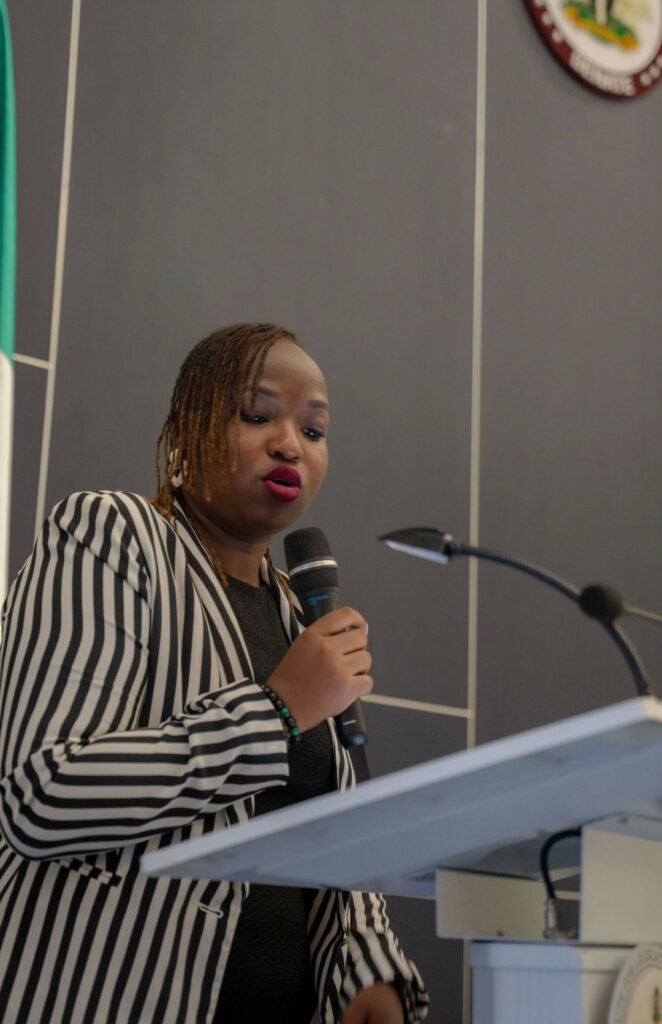
She stressed that children associated with armed groups should be treated as victims rather than criminals and called for improved implementation of existing child protection laws.
According to her, children displaced by conflict, poverty and lack of access to education are often vulnerable to recruitment by armed groups.
She also called for increased budgetary allocations to education, child protection and psychosocial support services, noting that rehabilitation and reintegration programmes are essential for children affected by violence.
Nkwabe urged policymakers to bridge the gap between existing legal frameworks and realities on the ground, particularly in conflict-affected communities.
She described child recruitment as “a theft of the future,” warning that failure to protect vulnerable children could have long-term consequences for national development and security.
Participants at the dialogue emphasised the need for stronger collaboration among government institutions, lawmakers, security agencies, development partners and communities to prevent child recruitment and protect the rights of children affected by conflict.