By Sofiat Adenekan-Abdul
Stakeholders have identified political exclusion, poor governance, unemployment and limited economic opportunities as key drivers of irregular migration among Nigerian youths, calling for urgent reforms to create a more inclusive and prosperous society.
The concerns were raised during a sensitisation programme on women and youth inclusion and migration organised by the National Youth Service Corps (NYSC) in collaboration with the National Institute for Legislative and Democratic Studies (NILDS).
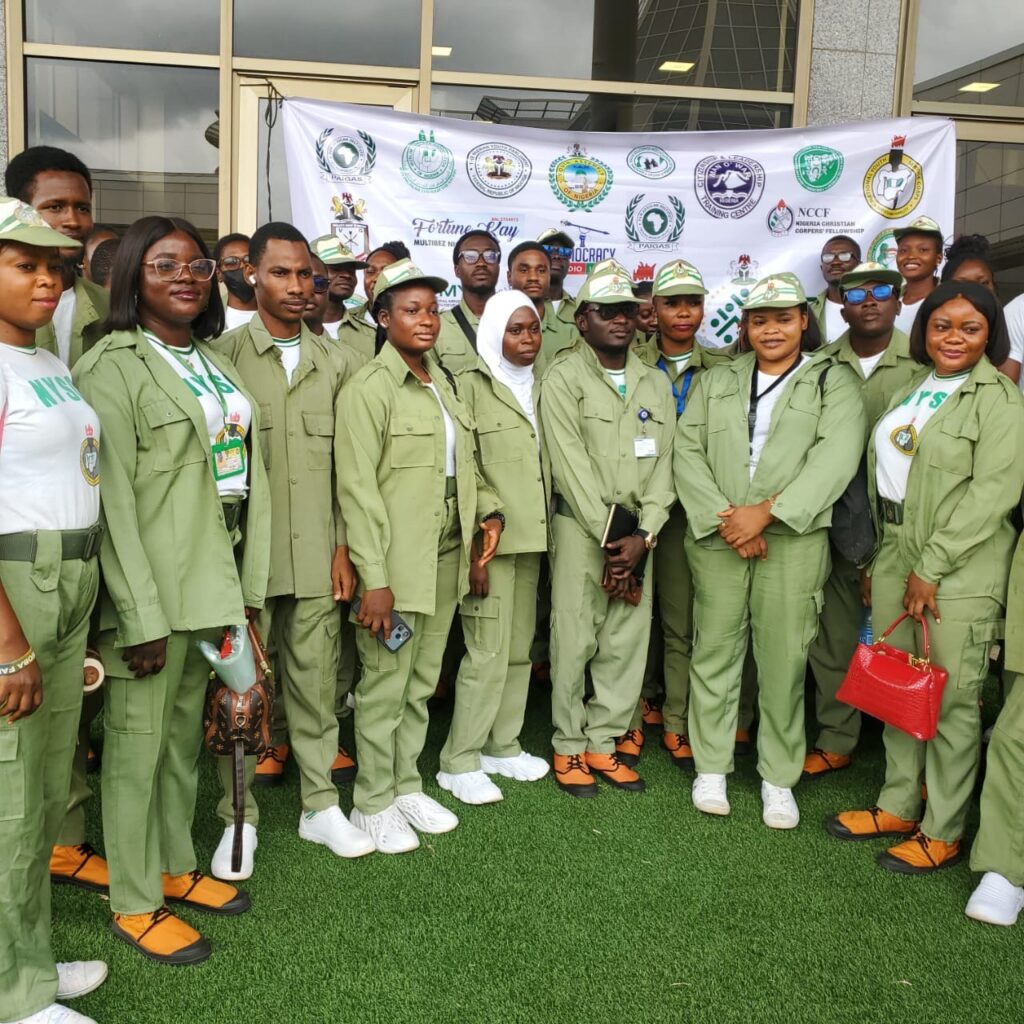
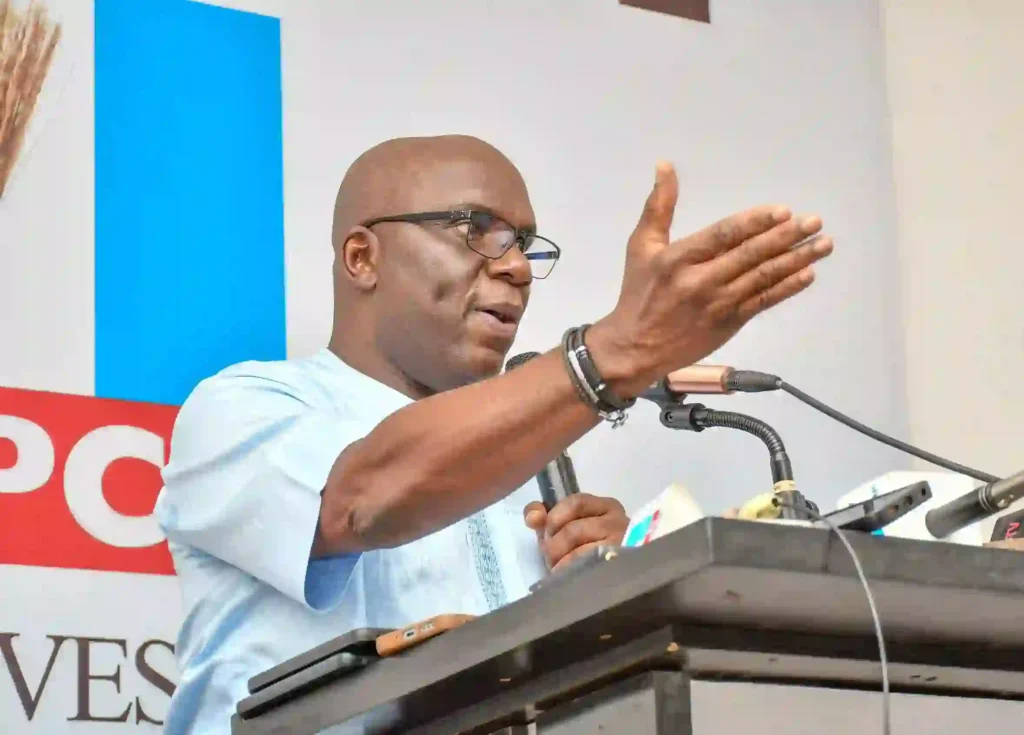
Speaking at the event, Charles Chukwuebuka of the Pan-African Institute of Global Affairs and Strategy (PAIGAS) said many young Nigerians have become disillusioned with governance due to their exclusion from decision-making processes and lack of confidence in political leadership.
He argued that inadequate infrastructure, widespread unemployment, poor healthcare and a struggling education system have intensified the desire among youths to seek better opportunities abroad.
According to Chukwuebuka, greater youth participation in policymaking and the creation of jobs that match their skills would encourage young Nigerians to contribute to national development instead of pursuing uncertain futures overseas.
“Politics is not a dirty game. It is the players that make it dirty. Politics gives citizens the opportunity to choose those who represent them. Leaders must begin to govern in the interest of the people and not for personal gains,” he said.
He added that exposure to global standards has raised expectations among Nigerian youths, making improved education, healthcare and employment opportunities essential to reducing migration pressures.
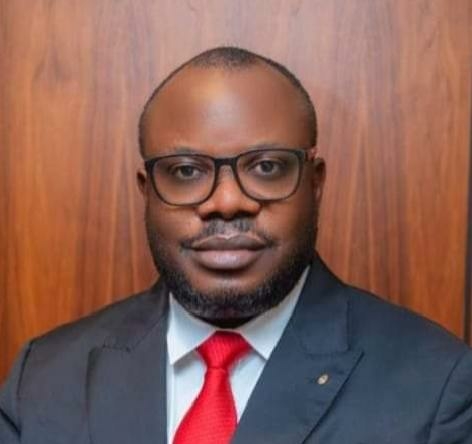
Delivering a presentation titled “The Political Cost of Silence and How Youth Apathy Fuels Irregular Migration: What Must Leaders Do to Keep Youths at Home?”, Principal Research Officer in the Department of Democracy and Governance at NILDS, Dr. Shafi’u Mikail, warned that political apathy among young people is eroding democratic accountability and deepening governance challenges.
He described political silence as citizens’ refusal to engage in elections and civic activities, noting that such disengagement creates fertile ground for corruption and ineffective leadership.
Mikail attributed youth apathy to unemployment, poverty, electoral violence and repeated unfulfilled political promises, stressing that these frustrations have pushed many young Nigerians toward dangerous and irregular migration routes.
He cautioned that irregular migration exposes victims to trafficking, forced labour, exploitation and even death, while emphasising that migration itself is legitimate when pursued through legal channels.
“The solution is not to stop people from travelling, but to build a country where citizens are not forced to leave in search of opportunities,” he said.
Also speaking, Director of Democracy and Good Governance at NILDS, Dr. Christopher Ngara, urged women and youths to maximise available opportunities by investing in their talents and embracing innovation.
Ngara stressed that women’s inclusion should extend beyond expectations of handouts, pointing to accomplished Nigerians such as Ngozi Okonjo-Iweala and Obiageli Ezekwesili as examples of excellence achieved through dedication and hard work.
He also encouraged young Nigerians to participate actively in democratic processes and contribute meaningfully to national development.
Participants at the programme agreed that tackling youth unemployment, promoting inclusive governance and strengthening democratic participation are critical steps toward reducing migration pressures and unlocking Nigeria’s human capital.