By Mardiyyah Abubakar
Iran’s parliament has taken steps to tighten its control over shipping through the strategic Strait of Hormuz by approving a provision that would allow Tehran to charge authorised vessels for services during transit.
The move comes as the United States prepares to intensify economic pressure on Iran and raises fresh concerns about global energy supplies.
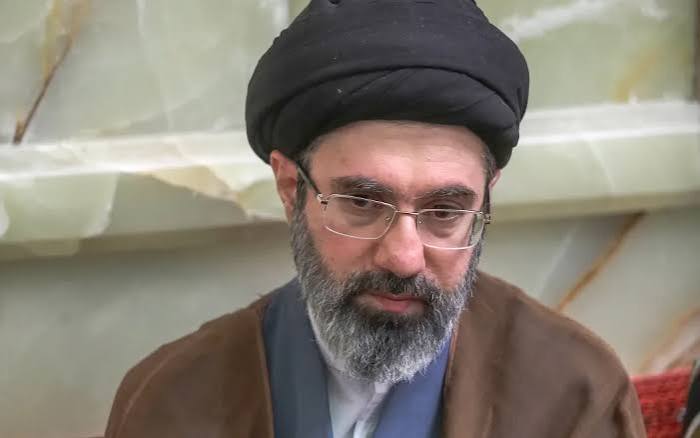
Iran’s newly appointed Supreme National Security Council secretary, Mohsen Rezaei, also warned Gulf countries against supporting Washington’s economic campaign.
He threatened to stop oil exports from the Persian Gulf and target other oil routes if regional countries joined the US effort against Tehran.
The Iranian parliament’s National Security and Foreign Policy Commission approved Article 3 of a proposed law on the security and development of the Strait of Hormuz.
Under the provision, Iran could charge vessels from countries it authorises to pass through the waterway.
The proposed fees would cover maritime and navigation services, environmental services, fuel supplies in special circumstances, insurance, safety and security services, as well as other services provided during transit.
Commission spokesperson Hassan Qashqavi said authorised vessels would have to pay the charges in Iranian rials or another currency designated by Tehran.
The provision forms part of a proposed “Strategic Action Plan to Ensure the Security and Development of the Strait of Hormuz.”
However, the proposal must still pass through the full parliament before going to Iran’s Guardian Council for review.
The Guardian Council assesses legislation for compliance with Iran’s Constitution and Islamic principles. If disagreements arise between the parliament and the council, the Expediency Council could intervene.
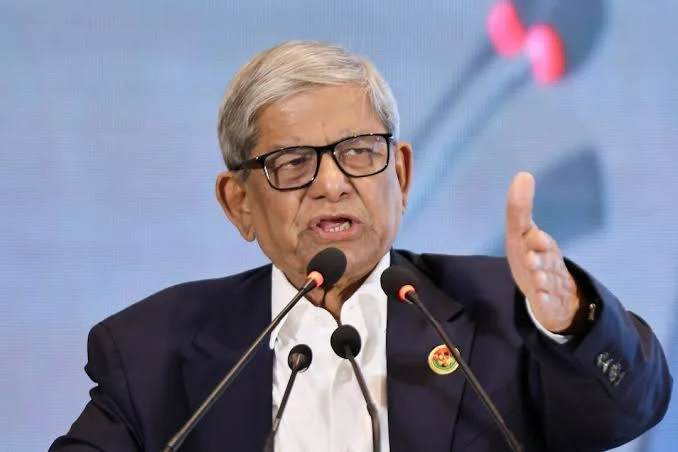
Qashqavi said the proposed legislation recognised freedom of navigation under international law while protecting the sovereignty and security interests of countries bordering the strait.
Iran has already tightened access to the waterway, allowing some vessels to transit while restricting wider commercial movement.
Tehran recently permitted several Iraqi oil tankers to cross the Strait of Hormuz, highlighting the selective nature of access during the conflict.
Rezaei Warns Gulf Countries
Rezaei warned Gulf countries against supporting Washington’s economic campaign, saying Iran could block oil exports from the Persian Gulf if regional states joined the US effort.
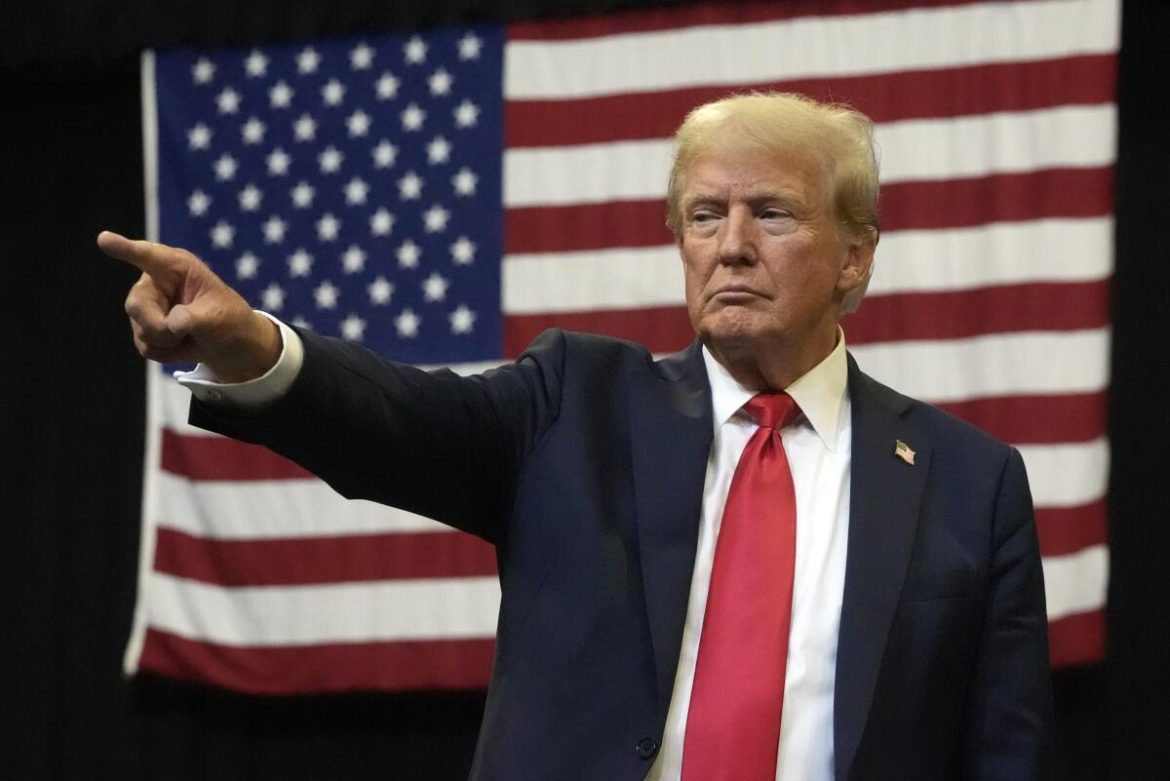
He also criticised President Donald Trump’s handling of the conflict, arguing that US attacks had increased global interest in acquiring nuclear weapons.
Rezaei claimed that Iran had complied with international nuclear safeguards and remained committed to the Nuclear Nonproliferation Treaty and inspections.
He accused Trump of creating what he described as “nuclear insecurity” rather than nuclear security.
The latest developments have heightened concerns over shipping and energy supplies, as any prolonged disruption to traffic through the Strait of Hormuz could affect global oil markets.