By Julian Chinyere Osamoto
For some children in Nigeria, home has become a roadside, an overcrowded shelter or a residential facility, despite national guidelines designed to keep vulnerable children with their families where it is safe to do so.
SOS Children’s Villages Nigeria, said only five states had formally adopted the National Guidelines for the Alternative Care of Children into state-level practice by the end of 2025.
The organisation explained that the slow implementation has left major gaps in the way states prevent unnecessary family separation and protect children who cannot safely remain with their families.
Speaking at the National Alternative Care Consultative Forum in Abuja, the Country Director of SOS Children’s Villages Nigeria, Eghosa Erhumwunse, said states must now move from adopting policies to funding and implementing them.
He identified inadequate financing, inconsistent gatekeeping, overstretched social workers, fragmented data and weak family-support systems as major barriers to reform.
Erhumwunse noted that the guidelines should strengthen families and ensure residential care remains a last resort for children who cannot safely remain at home.
“Poverty, displacement, disability, conflict, abuse and neglect can push children into alternative care”.
“But stronger family-support systems, could prevent some children from becoming separated from their families in the first place”. he stated
States to establish reliable data
The Minister of Women Affairs and Social Development Hajiya Imaan Sulaiman-Ibrahim, also wants states to establish reliable data on children living in orphanages and other residential facilities.
Represented by the Permanent Secretary of the ministry, Nko Esuabana, called on states to assess every orphanage and residential care facility in their jurisdictions and establish the actual number of children in their care.
She said accurate data would help governments plan services and improve protection for vulnerable children.
Sulaiman-Ibrahim also urged states to strengthen family and community-based care in line with the national guidelines, stressing that Nigeria must move beyond estimates and establish systems that can properly track children in alternative care.
FCT steps up profiling
The need for stronger oversight has become particularly visible in the Federal Capital Territory.
UNICEF Nigeria representative Wafaa Abdelatef disclosed that the FCT Women Affairs Secretariat has began profiling children in orphanage homes following the closure of an orphanage over alleged child trafficking.
She explained that the profiling followed the National Guidelines on Alternative Care and emphasised the need for stronger monitoring, case management and social welfare services.
Abdelatef said the incident showed how systems designed to protect children can fail when oversight and accountability remain weak.
She called on the 36 states and the FCT to make concrete commitments to strengthen family-based care and prevent unnecessary separation of children from their families.
“Where children cannot safely return home, authorities should provide appropriate family or community-based care” she said
The reality behind the policies
For some beneficiaries, however, the debate over alternative care is about more than policies and government structures.
One beneficiary described seeing a woman and her child sleeping on the street in her area.
She said the experience showed the urgent need to provide shelter and support for children and families facing hardship.
“Government, individuals and organisations should look into this and provide shelter and support for children and families who are in need,” she advised.
Caregivers also called for greater support for those responsible for looking after vulnerable children.
“Authorities and stakeholders should develop a structured plan to support caregivers, including better working conditions and adequate welfare”.
They also called for a clear roadmap that identifies every person and institution responsible for alternative care.
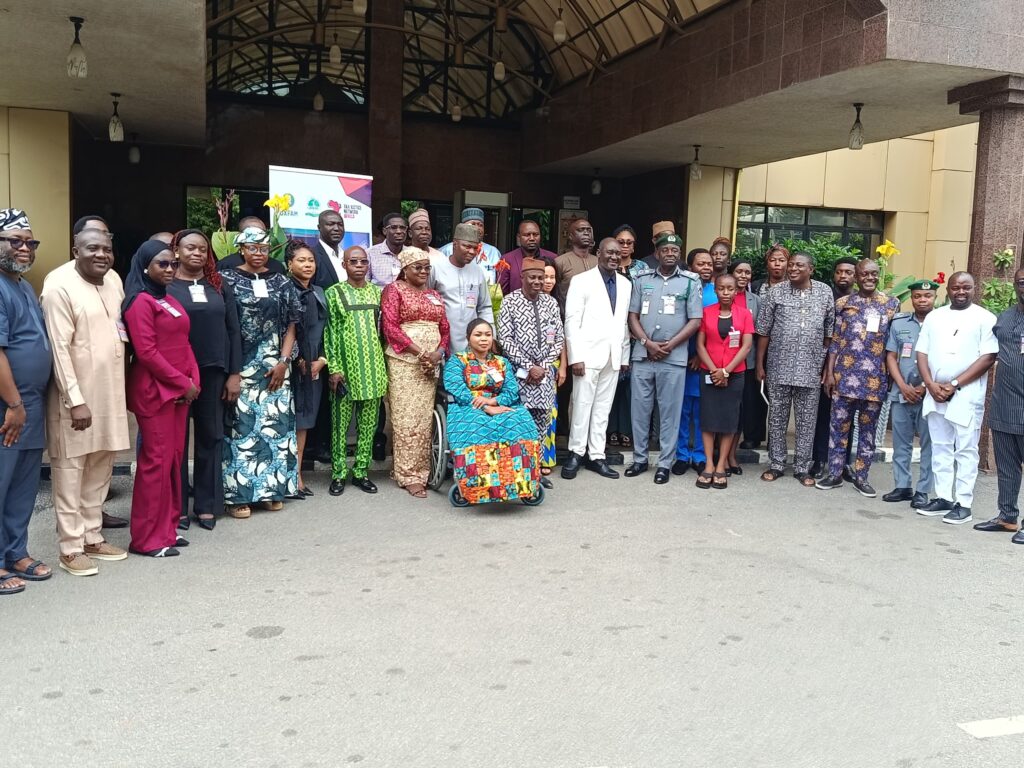
The two-day consultative forum brought together government officials, development partners, civil society organisations and care providers to examine gaps in implementing Nigeria’s alternative-care guidelines.
SOS Children’s Villages says participating states are expected to make specific and time-bound commitments backed by realistic plans, budgets and clearly assigned responsibilities.
The organisation also plans to follow up with states after the forum., the real test will not be another policy document.
It will be whether children stay safely with their families where possible, whether those who need alternative care receive appropriate support, and whether the commitments made in Abuja lead to measurable changes on the ground.