By Julian Osamoto
Stakeholders have called for stronger enforcement of Nigeria’s tobacco tax regime, warning that weak monitoring, tax evasion and poor revenue administration could undermine efforts to reduce tobacco consumption and raise funds for public services.
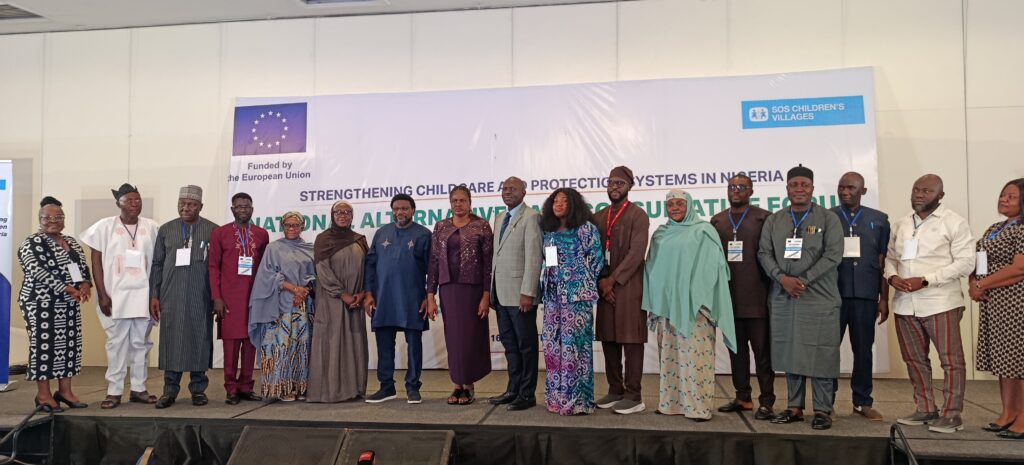
They made the call at the second National Tobacco Tax Summit organised by the Civil Society Legislative Advocacy Centre, CISLAC, in Abuja.
In his welcome address, CISLAC Executive Director, Auwal Musa Rafsanjani, said tobacco taxation must serve as both a public-health measure and a source of government revenue, particularly to protect children and young people.
Rafsanjani said higher tobacco taxes would have limited impact without effective enforcement, transparent revenue administration and adequate sanctions for violations.
He noted that Nigeria had made progress since the first summit in 2025, but needed stronger measures to make tobacco products less affordable and ensure emerging tobacco and nicotine products face effective regulation.
In their good will message, the Minister of Finance and Coordinating Minister of the Economy, Taiwo Oyedele, represented by Sarah Buala, called for a balanced tobacco tax policy that protects public health while supporting revenue mobilisation and economic development.
Oyedele said the 2026–2028 tobacco tax regime provides for progressive increases in specific excise tax rates and urged stakeholders to develop evidence-based recommendations on the regime’s impact on tobacco control, government revenue, industry operations and the wider economy.
Contributing, the Nigeria Customs Service called for closer cooperation among government, industry, civil society and other stakeholders to strengthen excise administration and address illicit tobacco trade.
Members of the National Assembly also called for stronger measures against tobacco tax evasion and greater transparency in tax administration.
They raised concerns about the growing appeal of newer tobacco and nicotine products among young people, including the potential influence of packaging and marketing.
The stakeholders however, called on government institutions to move beyond policy declarations and strengthen implementation, enforcement and monitoring.
They also called for greater transparency in tobacco tax revenue and continued oversight to determine whether the current regime is reducing tobacco consumption while supporting government revenue.