By Oluwakemi Kindness
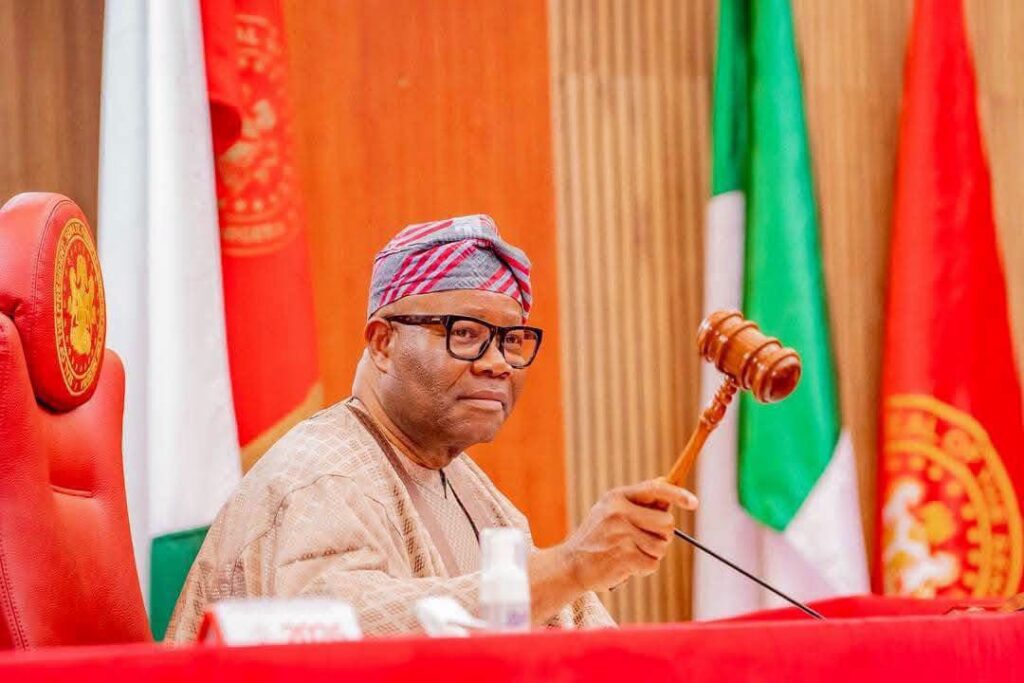
Speaker of the House of Representatives, Abbas Tajudeen, has backed moves to strengthen the funding structure of the South-South Development Commission (SSDC), saying the commission requires adequate resources to tackle development challenges in the region.
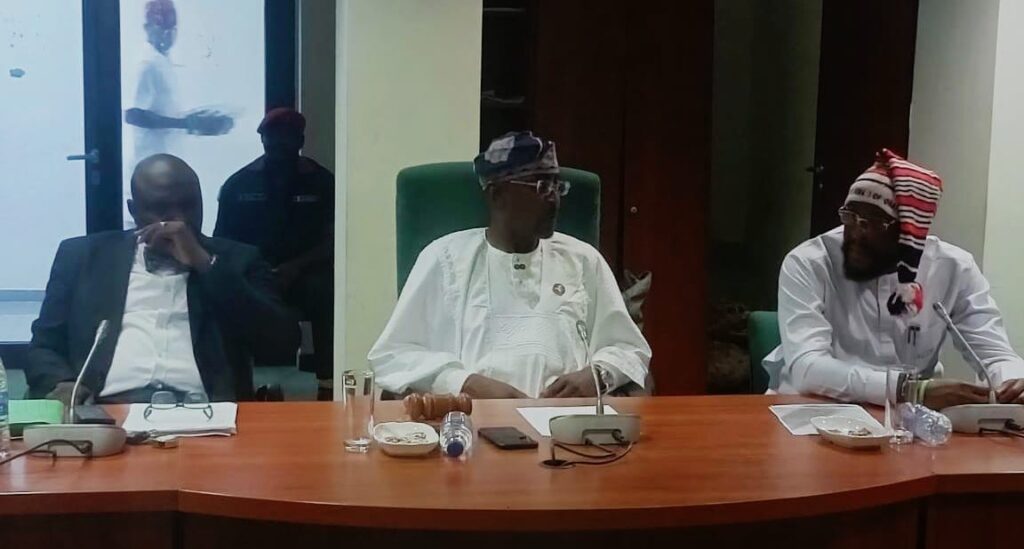
Tajudeen spoke on Wednesday at a public hearing organised by the House Committee on South-South Development Commission on a bill seeking to amend the SSDC (Establishment) Act, 2025, to provide additional funding sources for the commission.
He said institutions created to address regional challenges cannot succeed without sustainable financing.
“Institutions established to address these challenges cannot succeed without adequate capacity and sustainable funding,” Tajudeen said.
The Speaker, however, cautioned that any new funding arrangement must be carefully reviewed to ensure it serves the public interest.
“Every proposal that imposes new financial obligations or alters existing statutory arrangements must be subjected to rigorous legislative scrutiny to ensure that it is equitable, fiscally responsible, transparent, sustainable, and ultimately in the best interest of the Nigerian people,” he said.
Chairman of the House Committee on South-South Development Commission, Julius Pondi, said the proposed amendment aims to strengthen the commission’s financial base and improve its ability to deliver development projects.
Pondi said the bill proposes additional funding sources, including contributions from extractive industries, agricultural processing companies, allocations from the Ecological Fund and a share of Value Added Tax revenue.
He said the South-South region remains critical to Nigeria’s economy but continues to face challenges linked to environmental degradation, infrastructure gaps, unemployment and poverty.
“The central argument underpinning the proposed amendment is the need to bring the South-South Development Commission substantially at par with other regional development commissions established by the Federal Government,” Pondi said.
The Speaker said the public hearing reflects the commitment of the 10th House of Representatives to participatory lawmaking, where citizens and stakeholders contribute to shaping national policies.
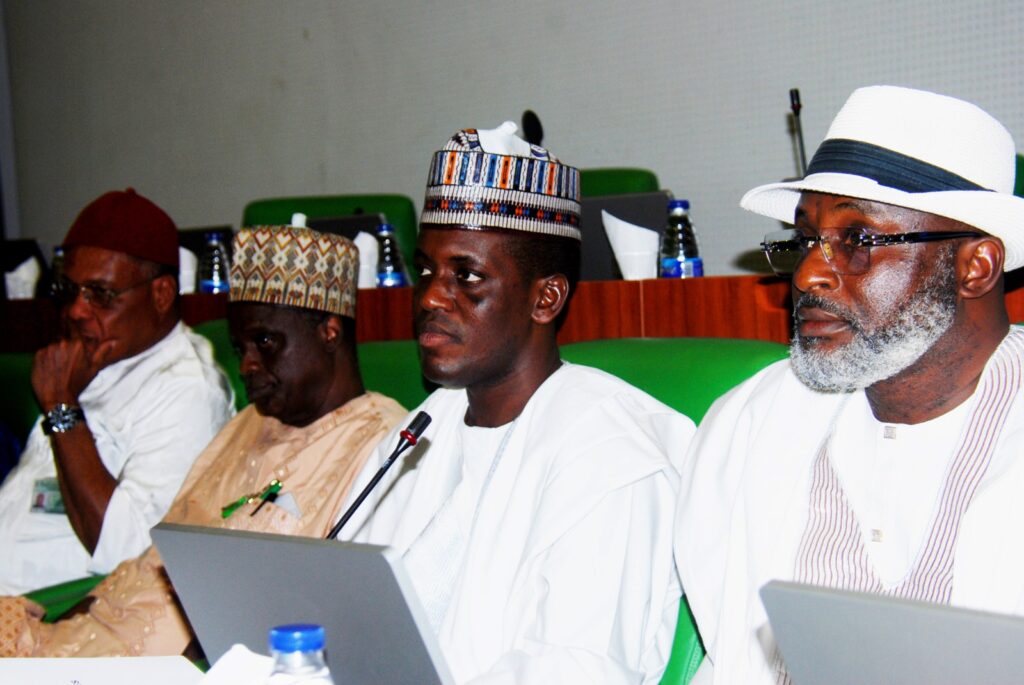
Stakeholders from government agencies, industry operators, civil society organisations and community groups made submissions on the proposed amendment.