By Jumoke Abubakar
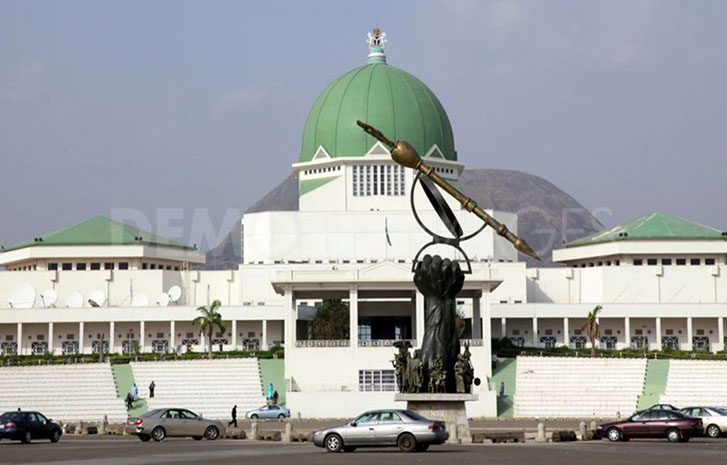
When the 10th National Assembly was inaugurated on June 13, 2023, Nigerians expected a legislature that would not only make laws but also respond to the pressing realities of economic hardship, insecurity, unemployment, and demands for good governance.
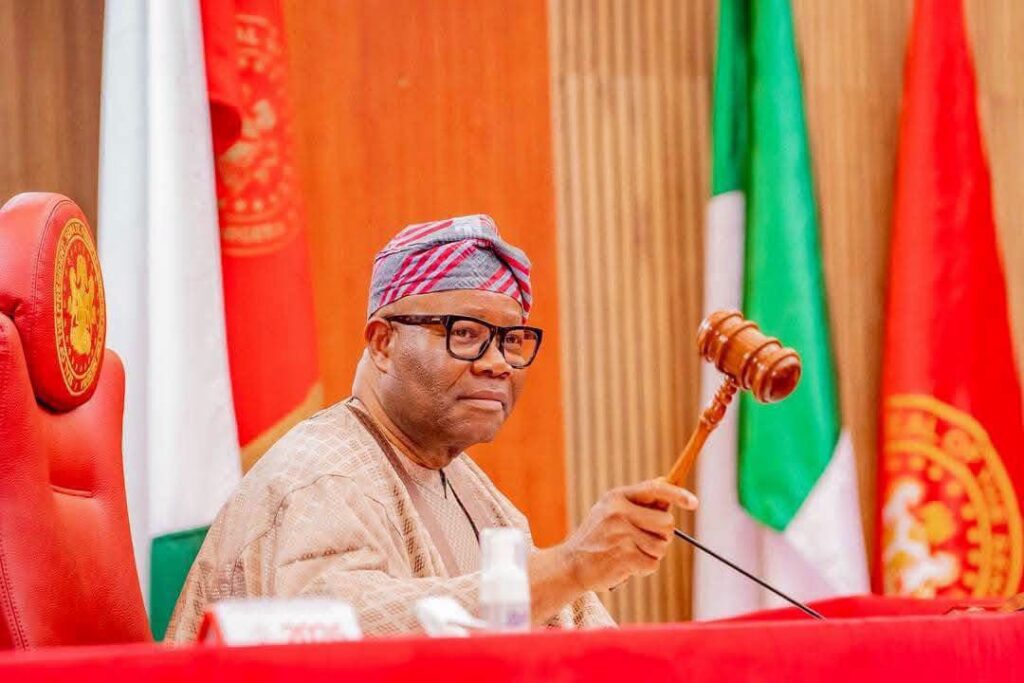
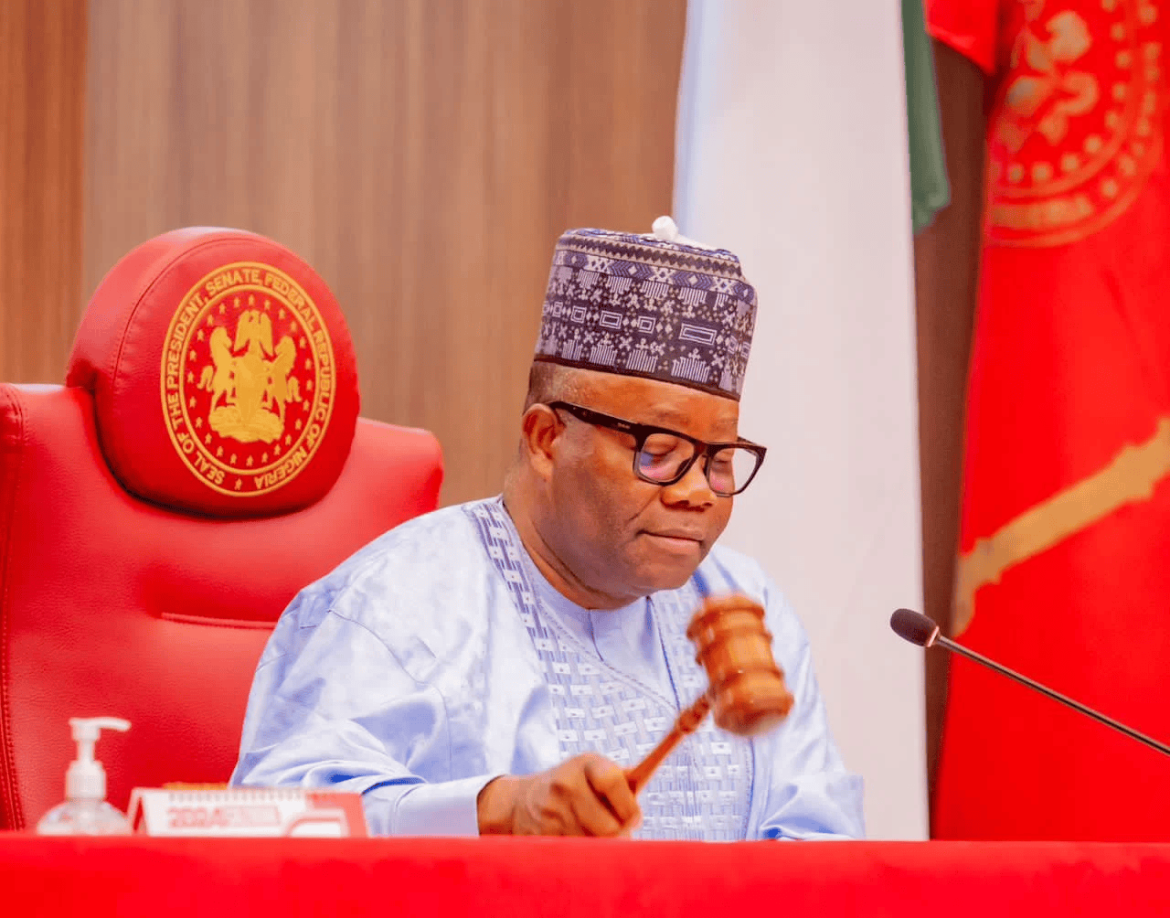
Two years into its tenure, the Assembly, led by Senate President Godswill Akpabio and Speaker of the House of Representatives Tajudeen Abbas, presents a mixed record of achievements, criticisms, and growing public expectations.
One of its notable accomplishments has been legislative productivity.
The Assembly has considered and passed several bills and motions aimed at addressing economic reforms, education, social welfare, and governance.
Legislative attention to issues such as student loans, minimum wage adjustments, constitutional amendment proposals, and tax reforms reflects an effort to respond to evolving national priorities.
The legislature has also sustained the January–December budget cycle, which many observers consider important for fiscal planning and policy implementation.
Timely consideration and passage of appropriation bills have contributed to greater predictability in government spending.
Another significant feature of the 10th Assembly has been its cordial relationship with the executive arm of government.
This cooperation has facilitated the speedy consideration of executive requests, budget proposals, and policy initiatives.
Supporters argue that such collaboration is necessary to address urgent national challenges and avoid institutional conflicts that could delay governance.
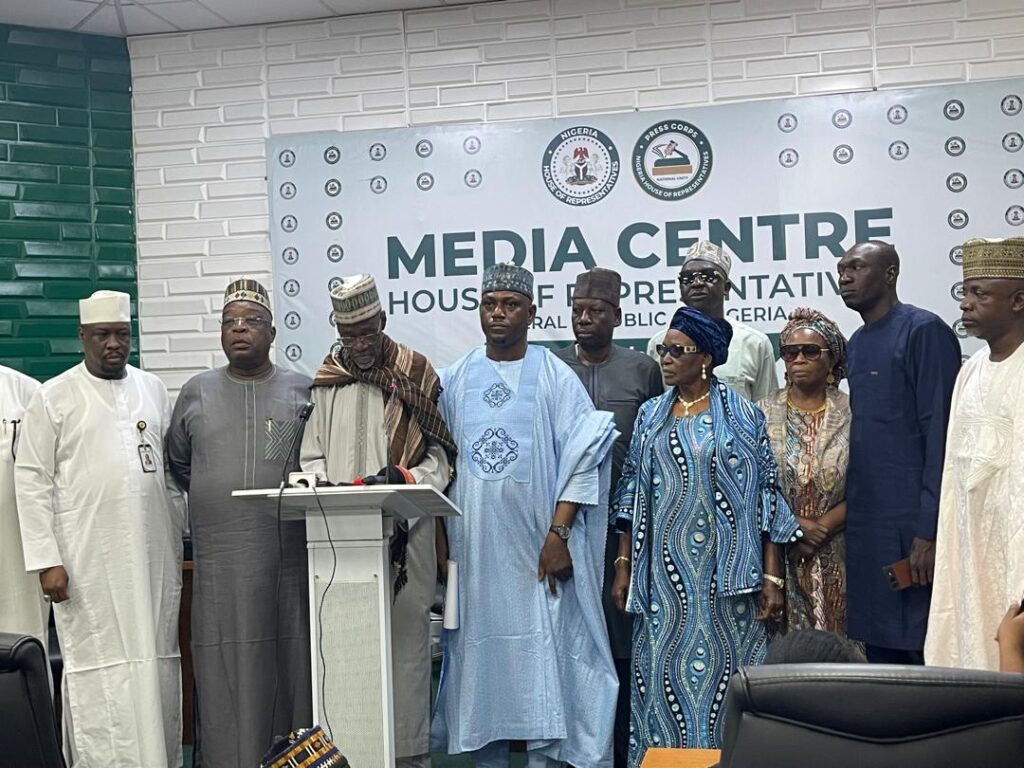
The National Assembly has also carried out oversight activities through investigative hearings, committee engagements, and interactions with ministries, departments, and agencies. Issues relating to public expenditure, infrastructure projects, security concerns, and service delivery have received legislative attention.
However, the performance of the Assembly has also attracted criticism.
One of the major concerns raised by citizens, civil society organisations, and political analysts relates to legislative independence.
Critics argue that the Assembly has often appeared overly supportive of the executive, particularly in the approval of loans, supplementary budgets, and major policy requests.
They contend that effective oversight requires the legislature to provide greater scrutiny and accountability.
Public confidence has also been affected by controversies surrounding lawmakers’ welfare packages, reports of expensive official vehicles, and internal disputes within the legislature.
Such issues have contributed to perceptions that the concerns of ordinary Nigerians may not always receive adequate attention.
The economic realities facing citizens have further increased expectations from the legislature.
Rising living costs, inflation, unemployment, insecurity, and challenges in healthcare and education have intensified calls for laws and policies that directly improve living conditions.
Another area requiring greater attention is citizen engagement.
Many Nigerians remain unaware of legislative activities and how parliamentary decisions affect their daily lives. Improved communication, transparency, and public participation could help strengthen trust between lawmakers and the people they represent.
As discussions on constitutional amendments continue, Nigerians will also expect the Assembly to address issues relating to electoral reforms, local government autonomy, state policing, gender inclusion, and institutional strengthening.
Ultimately, the success of the 10th National Assembly will not be measured solely by the number of bills passed or motions adopted.
Its legacy will depend on how effectively its actions translate into improved governance, stronger institutions, and better living conditions for Nigerians.
As the Assembly enters the next phase of its tenure, the challenge before it is clear: to deepen accountability, strengthen oversight, protect its independence, and ensure that legislative actions produce measurable benefits for the people.
For many Nigerians, the true test of the 10th National Assembly lies not only within the chambers of the National Assembly but in the extent to which its decisions positively impact communities, households, and the future of the nation.