By Julian Osamoto
Civil society organisations in Nigeria have warned that millions of informal workers risk being shut out of government social intervention programmes because of poor digital access, weak infrastructure and exclusionary policy implementation.
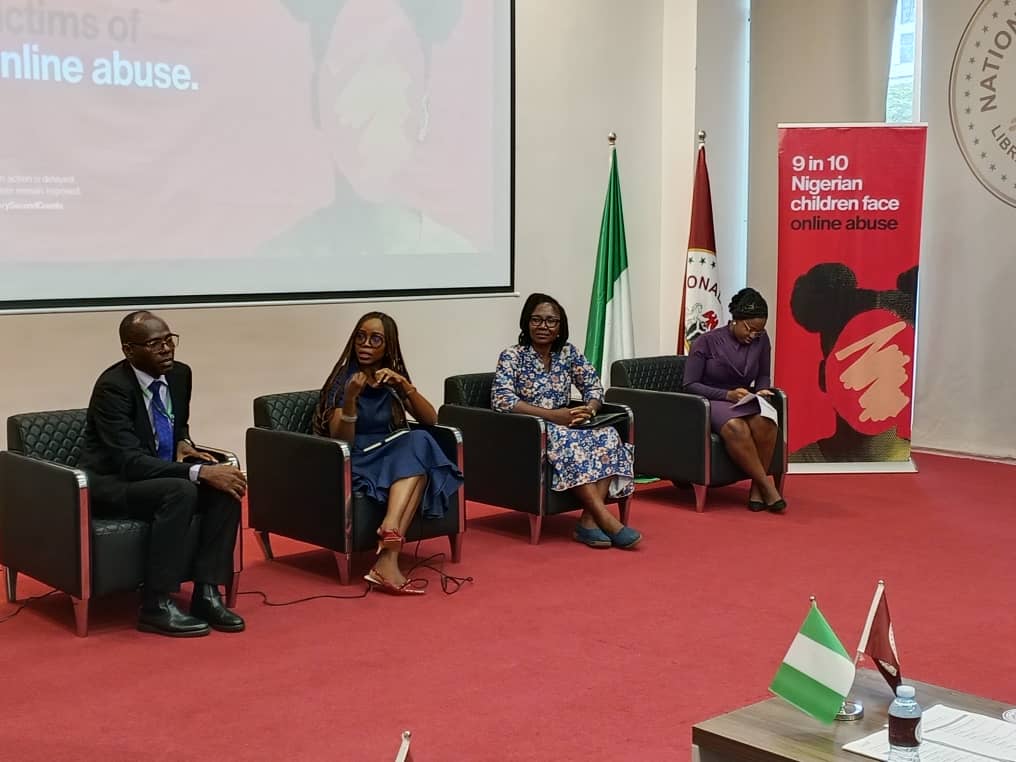
The concerns were raised at a policy dialogue in Abuja, organised by Paradigm Initiative in partnership with the Centre for Information Technology and Development COTAD.
Participants at the meeting said the growing digitisation of social protection programmes was deepening inequality for vulnerable Nigerians who lack access to mobile phones, internet connectivity and digital literacy.
The dialogue brought together labour representatives, civil society organisations and informal sector workers to identify gaps within Nigeria’s digital social protection system and propose reforms centred on inclusion, accessibility and data protection.
Rural communities left behind
Programme Officer at Paradigm Initiative, Sani Suleiman, said many vulnerable citizens, particularly women in rural communities, remain exposed to exclusion and digital exploitation.
Suleiman explained that although civil society organisations do not possess the authority to directly implement policy reforms, they remain critical stakeholders in driving accountability through sustained engagement with government institutions and the provision of evidence-based recommendations rooted in the realities faced by vulnerable communities.
He explained that the organisations involved in the dialogue already maintain working relationships with lawmakers, ministries and relevant government agencies, stressing that those engagement platforms would be utilised to push for reforms that promote inclusion, accessibility and stronger protections for informal workers across the country.
According to Suleiman, the meeting was convened to identify critical gaps within Nigeria’s digital social protection framework, assess barriers limiting access and digital inclusion for informal workers, develop rights-based policy recommendations and strengthen collaboration among civil society groups, labour representatives and policymakers.
He noted that recommendations generated from the discussions would subsequently be presented to relevant government institutions and members of the National Assembly as evidence-based proposals aimed at improving the country’s social protection architecture.
Suleiman further stressed the need for a comprehensive reform of Nigeria’s existing social protection system, particularly through the expansion of digital infrastructure and connectivity in rural communities to ensure that vulnerable populations are not excluded from government intervention programmes.
Digital registration excludes the poor
Programme Officer and Team Lead at the Centre for Information Technology and Development, Yesmin Ejiwumi, warned that mandatory online registration systems used in previous intervention programmes had automatically excluded many Nigerians.
She said artisans, traders, cobblers and tailors in rural communities often lack access to smartphones, internet services or the digital skills required to complete registration processes.
“Many informal workers are unable to participate in these programmes simply because they do not have access to digital tools,” she said.
Ejiwumi stressed that policymakers must design social protection systems around the realities of vulnerable communities rather than assuming universal digital access.
She also raised concerns over the limited involvement of informal workers in policy discussions despite being the primary targets of many intervention programmes.
Calls for inclusive reforms
Executive Director of Glowing Minds Initiatives, Shamsudeen Abdulrazak, said many government policies fail because affected communities are rarely consulted during policy development.
He said the dialogue focused on co-creating practical recommendations capable of guaranteeing inclusive and rights-respecting digital social protection systems.
Stakeholders at the meeting called for expanded digital infrastructure in underserved communities, stronger data protection safeguards and wider stakeholder engagement to ensure vulnerable Nigerians are not excluded from government support programmes.
Founded in 2007, Paradigm Initiative operates across several African countries, promoting digital inclusion and defending digital rights through youth empowerment and advocacy programmes.