By Chinedu Echianu
As Muslims across Nigeria join millions around the world to celebrate Eid-el-Kabir, clerics, scholars, and community leaders have called on citizens to embrace the enduring lessons of sacrifice, compassion, tolerance, and unity embedded in the sacred festival.
Popularly known as the Feast of Sacrifice, Eid-el-Kabir commemorates the unwavering obedience of Prophet Ibrahim, who was prepared to sacrifice his son in submission to Allah’s command before divine intervention replaced the sacrifice with a ram.
For Muslims, the annual celebration is far more than festivities and slaughtering of animals; it is a reminder of faith, gratitude, selflessness, and devotion to humanity.
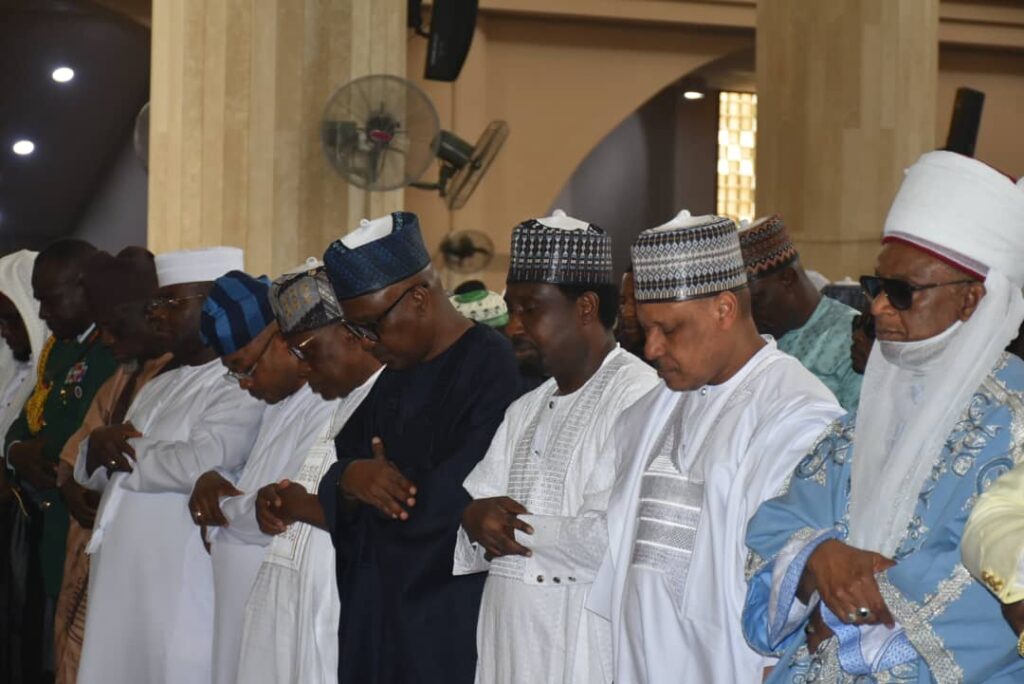
Across Abuja, Kano, Lagos, Kaduna, and many other parts of the country, preparations for the celebration have transformed homes, markets, and mosques into centres of spiritual reflection and communal bonding.
Families are preparing for prayers, acts of charity, and reunion gatherings even as many Nigerians continue to grapple with economic hardship, rising food prices, and insecurity.
Amid the challenges, religious leaders insisted that the essence of Eid-el-Kabir must inspire citizens to support one another and strengthen the bonds of peace and coexistence across ethnic, political, and religious divides.
Eid, the Spirit of Brotherhood
Speaking at the Usman Bin Affan Islamic Center, popularly known as Banex Mosque in Abuja, Imam Omar Aliyu told Democracy Radio that Eid-el-Kabir is one of the two major celebrations in Islam, observed as an expression of gratitude to Allah after fulfilling key religious obligations.
According to him, Eid-el-Kabir coincides with the completion of major rites of Hajj, particularly the standing at Arafat, which is one of the pillars of the pilgrimage.
“This celebration marks the end of yet another pillar of Islam, which is Hajj. It is a day of gratitude to Allah and also a day of sacrifice in emulation of Prophet Ibrahim,” he said.
The cleric explained that Islam places strong emphasis on brotherhood, generosity, and collective well-being during Eid celebrations.
“Celebration in Islam talks about brotherhood, the spirit of sacrifice, the spirit of give and take, supporting each other and felicitating with one another in all aspects of human life,” he stated.
He stressed that the slaughtering of Rams during Eid is symbolic and intended to encourage Muslims to share with relatives, neighbours, and vulnerable members of the society.
“When you make that sacrifice, it is not meant for you alone. Share it with others so they can also benefit from what Allah has blessed you with,” Imam Aliyu stated.
Sacrifice Beyond Rituals
For many Islamic scholars, the central message of Eid-el-Kabir goes beyond ritual observance. It is about compassion, obedience to God, and sacrifice for the common good.
Imam Aliyu emphasised that the current economic realities in Nigeria make the lessons of Eid even more relevant, especially at a time when citizens struggle to feed their families.
“There are so many people now that do not even know what to eat because of the hardship all over the place. Whatever you are having, try by all means to ensure others benefit from it,” he said.
He encouraged wealthy Nigerians to support struggling families through food donations, charitable giving, and community outreaches.
“You can buy Rams, rice, and other items to support your brothers and sisters in need. Let others feel your impact and benefit from what Allah has given you,” he urged.
Across several mosques nationwide, clerics have similarly encouraged worshippers to remember the less privileged through acts of kindness, stressing that charity remains one of the strongest teachings associated with Eid-el-Kabir.
Insecurity, Hunger and the Search for Peace
As Nigeria battles insecurity in different parts of the country, religious leaders say the festival also offers important lessons on social justice and peaceful coexistence.
Imam Aliyu linked rising insecurity partly to poverty and hunger, arguing that economic deprivation can push desperate individuals toward crime.
“A hungry man is an angry man, when people have nothing to eat, many negative thoughts can cross their minds,” he said.
According to him, Islam teaches that societies can only enjoy true security when citizens’ basic needs are met.
He called on Nigerians to revive communal support systems capable of reducing hardship and discouraging criminality.
“If everybody supports one another, many people will think positively and discard acts of insecurity,” he noted.
Eid-el-Kabir a Symbol of Unity
Also speaking on the significance of the festival, Shuaibu Danwanka, Director of Legal Services at the National Institute for Legislative and Democratic Studies (NILDS), described Eid-el-Kabir as a global symbol of Muslim unity and brotherhood.
“One of the major significances of Eid al-Kabir is that it symbolizes the unity of the Muslim Ummah globally,” he said.
According to Danwanka, Muslims around the world celebrate the festival simultaneously while pilgrims in Saudi Arabia perform Hajj rites in Mina, reinforcing the universal bond shared by the Islamic community.
“It is a symbol of love, humanitarian assistance, and brotherhood,” he stated.
He explained that the sharing of meat during Eid strengthens neighbourliness and social harmony, especially for families unable to afford sacrificial animals.
“Those who are able to slaughter animals will distribute what they have slaughtered, while those who cannot afford it will also benefit from the meat shared.”
Danwanka said the continued observance of Eid-el-Kabir across Nigeria despite economic hardship and insecurity demonstrates the resilience, faith, and gratitude of Muslims.
“In spite of increasing social challenges, the celebration will still hold because of its religious significance. It sends a message of peace, unity, and resilience,” he said.
Calls for Moderation in Ram Prices
With the prices of rams and food items increasing across markets nationwide, clerics have appealed to livestock traders not to exploit citizens during the festive season.
Danwanka emphasised that businesses associated with Eid celebrations should also reflect the values of compassion and generosity.
“Beyond making money, they should use the opportunity to enhance relationships with neighbours, families, and associates and extend hands of fellowship to others,” he added.
Imam Aliyu urged sellers to prioritize humanity and moderation over excessive profit-making.
“They should fear God and be content with moderate profit so that more families can afford to make sacrifices in their homes,” he advised.
Prayers for Nigeria’s Future
In mosques across the country, special prayers are expected to focus on Nigeria’s economic recovery, stable food prices, improved security, and job opportunities for young people.
Religious leaders are also calling on political office holders to govern with justice, wisdom, fairness, and accountability, while security agencies have assured citizens of adequate deployment to ensure peaceful celebrations during the holiday period.
For many Nigerian families, Eid-el-Kabir remains a season of gratitude, reunion, and hope — a moment when communities come together despite hardship and uncertainty.
As the celebrations continue nationwide, the message echoing from mosques and communities remains clear: sacrifice for one another, uphold peace and tolerance, support the vulnerable, and work collectively toward a united and prosperous Nigeria.