By Oluwakemi Kindness
The Executive Secretary of the National Sugar Development Council (NSDC), Kamar Bakrin, has warned that Nigeria risks losing the vast opportunities offered by the African Continental Free Trade Area (AfCFTA) unless it urgently lowers the cost of production for manufacturers.
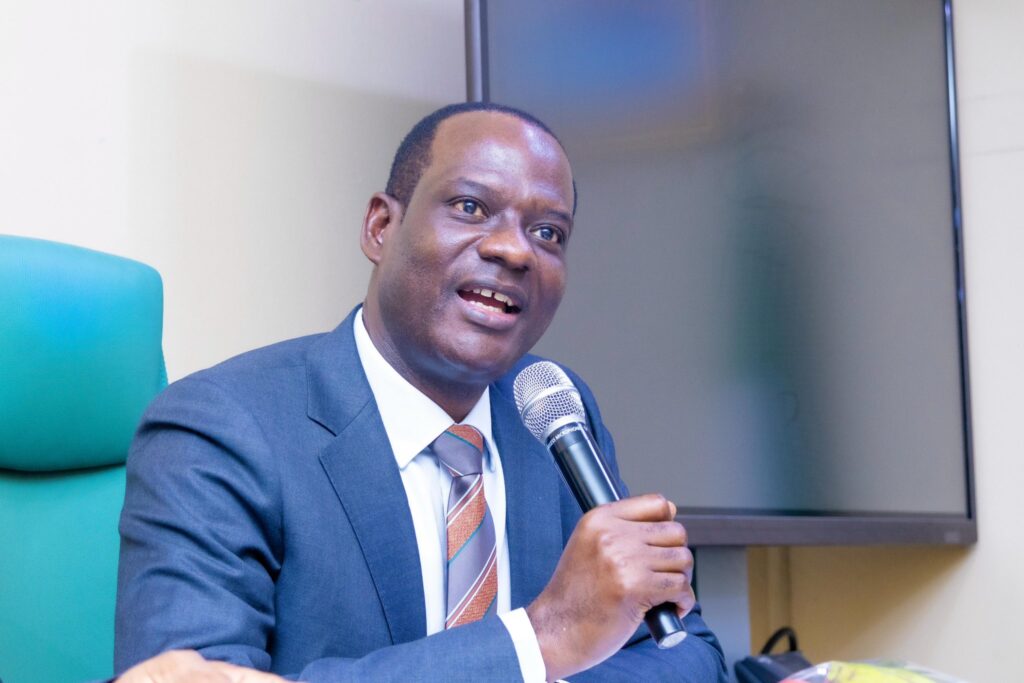
Speaking at the technical session of the 17th National Council on Industry, Trade and Investment (NCITI) in Enugu, Bakrin said Nigeria must decide whether to compete for the African market or surrender it to more competitive economies.
“Either our goods are crossing borders going out, or everyone else’s goods are crossing ours coming in. We are either going to compete, or we are going to concede the market,” he said.
According to a statement on Sunday by the Council, Bakrin argues that the country’s biggest challenge is not demand for locally made products but the high cost of producing them.
“None of this is a demand problem. Nobody on this continent need persuading to buy what Nigeria makes. It is a cost-of-production problem, and that distinction matters because costs, unlike demand, are within our power to fix,” he stated.
He said Nigerian manufacturers pay between two and ten times more than competitors in countries such as Vietnam and China for electricity, financing and logistics, making locally produced goods less competitive.
According to him, industrial electricity costs about eight US cents per kilowatt-hour in Vietnam and around 10 cents in China, compared with about 15 cents on Nigeria’s national grid, rising to nearly 30 cents when manufacturers rely on diesel-powered generators.
Bakrin disclosed that Nigerian manufacturers spent an estimated ₦1.34 trillion generating their own electricity last year.
“Every factory in Nigeria is running a second, unwanted business as a private power station,” he said.
He also noted that manufacturers in Nigeria borrow working capital at interest rates of between 27 and 35 per cent, compared with about nine per cent in Vietnam and three per cent in China.
Bakrin said poor logistics remain another major obstacle, noting that Nigeria ranks 88th out of 139 countries on the World Bank’s Logistics Performance Index, far behind Vietnam and China.
Despite Nigeria’s population of more than 230 million people and duty-free access to 1.4 billion consumers under AfCFTA, he said manufacturing contributes only about eight per cent to the country’s Gross Domestic Product, while capacity utilisation has fallen to 57.7 per cent.
To reverse the trend, Bakrin proposed four key reforms for adoption by the Council.
They include establishing dedicated power arrangements for industrial clusters in every state within 12 months, harmonising taxes and removing illegal checkpoints along industrial corridors, introducing an annual State Industrial Competitiveness Index, and enforcing the Nigeria First procurement policy across federal and state governments.
He said every policy should have measurable outcomes.
“Every resolution needs a named owner, a date and a way to measure it. Otherwise it becomes another document that gets filed, framed and forgotten.”
Bakrin pointed to Nigeria’s urea industry as proof that targeted government policies can transform industrial performance.
He said the country’s urea production expanded from 500,000 tonnes in 2005 to 6.5 million tonnes today, making Nigeria one of the world’s top 10 exporters of nitrogen fertiliser after government priced natural gas as an industrial input rather than a revenue source.
“When a country prices inputs as if it wants industry to live, industry lives,” he said.
He urged state governments to take greater responsibility for industrial competitiveness by developing power markets, making industrial land more accessible, streamlining taxes and investing in technical education aligned with industry needs.
Bakrin added that lowering production costs would help create jobs for the four million young Nigerians entering the labour market every year, strengthen the naira, reduce import dependence and make locally produced goods more affordable.
“The reform half of Nigeria’s story has been written. The industrial half will be written in kilowatt-hours, lending rates and port days. The window is open. No window stays open forever,” he said.