By Oluwakemi Kindness
Environmental activist, Nnimmo Bassey, has called on Nigerian universities to take a leading role in addressing the climate crisis, urging institutions of higher learning to become centres of climate literacy, sustainability research and environmental justice advocacy.
Bassey who is also the Executive Director of thEnvironmental activist, Nnimmo Bassey, has called on Nigerian universities to take a leading role in addressing the climate crisis, urging institutions of higher learning to become centres of climate literacy, sustainability research and environmental justice advocacy.
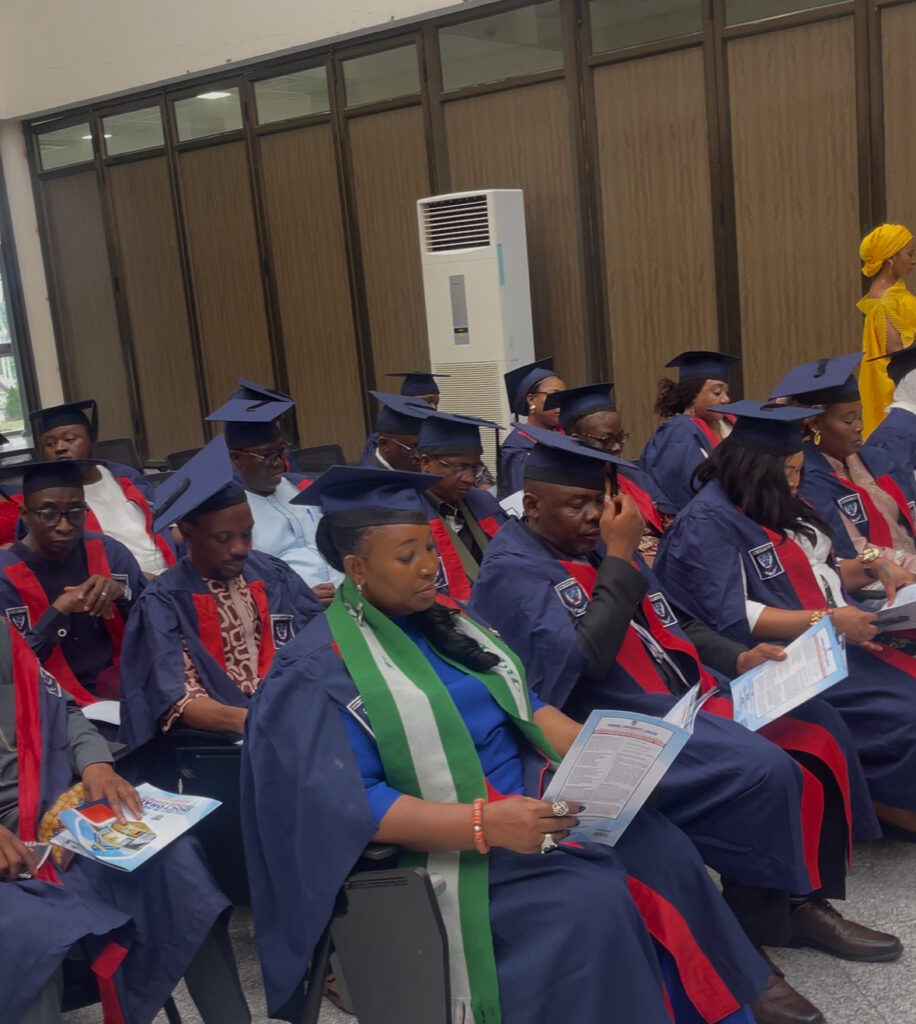
Bassey who is also the Executive Director of the Health of Mother Earth Foundation, HOMEF, made the call on Friday while delivering a keynote address at the 2026 World Environment Day commemoration hosted by Igbinedion University.
Speaking on the theme, *“Now for Climate: Nigeria’s Moment, Edo’s Opportunity – Universities at the Vanguard of the Climate Transition,” he said the worsening climate emergency demands urgent action rather than continued delays.
According to him, climate change has evolved beyond an environmental concern into a major economic, health, social and security challenge, with its impacts already evident across Nigeria through flooding, desertification, coastal erosion, food insecurity and displacement of communities.
Bassey argued that universities occupy a unique position to drive the transition to a sustainable future by generating knowledge, influencing public policy, training future leaders and promoting innovative solutions to environmental challenges.
“Every student graduating today will enter a world shaped by climate realities,” he said, stressing that climate literacy should no longer be confined to environmental science departments but integrated across all academic disciplines.
The environmental advocate also called for a rapid shift away from fossil fuel dependence, urging governments and institutions to invest in renewable energy and community-centred climate solutions.
He maintained that meaningful climate action must begin with ending gas flaring, reducing oil pollution and curbing destructive extractive practices.
Highlighting the principle of climate justice, Bassey noted that although Africa contributes only a small fraction of global greenhouse gas emissions, the continent bears a disproportionate share of climate impacts.
He further warned against what he described as “false climate solutions,” including projects that could result in land grabs, environmental exploitation or the marginalisation of local communities under the guise of green development.
Drawing attention to the environmental challenges facing oil-producing communities, he said residents of the Niger Delta, including those in Edo State, continue to suffer the consequences of decades of oil spills, gas flaring and ecological degradation.
Bassey, however, said Edo State possesses significant opportunities to lead sustainable development through the protection of its forests, biodiversity and other ecological assets.
He urged universities to strengthen research focused on local climate realities, support community resilience initiatives and serve as bridges between scientific knowledge and indigenous environmental practices.
“The future will not simply happen to us. It is something we collectively create,” he said, calling on universities, governments and citizens to act with urgency in confronting the climate crisis.