By Arinzechi Chukwunonso
Nigeria’s National Assembly has moved decisively to address the growing wave of xenophobic attacks against Nigerians in South Africa.
Announcing plans to send a high-level joint delegation on a fact-finding and diplomatic mission.
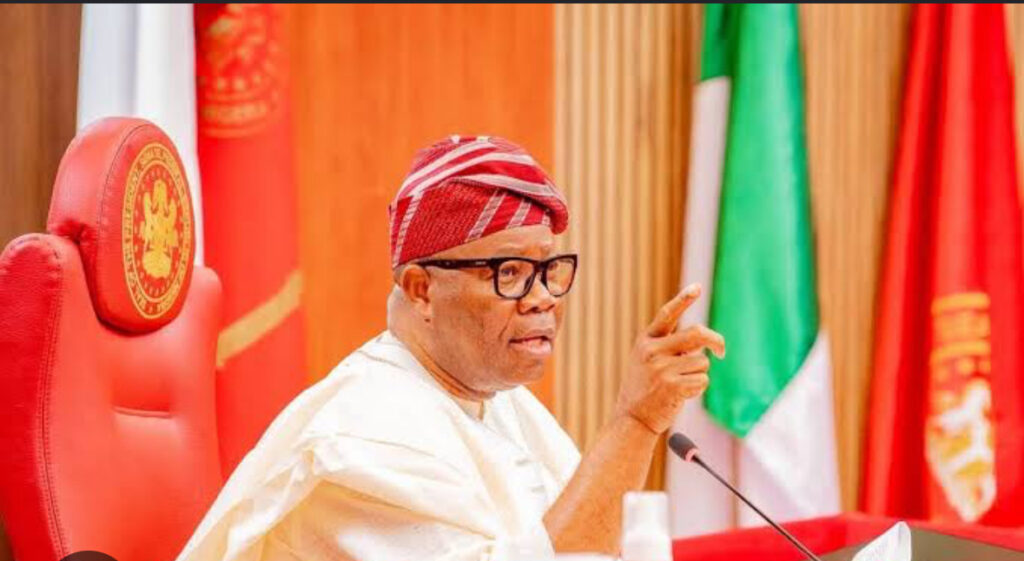
The Senate resolved to constitute an ad hoc committee comprising members of both chambers of the National Assembly, led by Senate President Godswill Akpabio and House Speaker Tajudeen Abbas.
The delegation is tasked with engaging South African authorities and institutions to seek lasting solutions to the recurring crisis.
As part of its mandate, the committee will visit the South African Parliament to formally register Nigeria’s displeasure over the attacks, while also exploring diplomatic pathways to strengthen protections for Nigerian citizens abroad.
Lawmakers say the move underscores Nigeria’s commitment to defending the dignity, safety, and rights of its nationals.
The Senate further resolved to open formal communication with South Africa’s parliamentary leadership and invite Nigeria’s Minister of Foreign Affairs to brief lawmakers on ongoing diplomatic efforts and outcomes.
Deliberations on the motion revealed strong concerns among lawmakers over the increasing frequency and severity of attacks, as well as the psychological trauma and discrimination faced by Nigerians living in South Africa.
The motion, which highlighted the “intensifying xenophobic persecution” of Nigerians, was adopted after robust debate on the Senate floor.
While some lawmakers proposed economic retaliation — including calls to revoke operational licenses of South African companies operating in Nigeria — the Senate leadership cautioned against such measures. Senate President Akpabio emphasized that diplomatic engagement remains the preferred and more constructive approach to resolving the crisis.
The upper chamber also revisited agreements reached during a 2019 bilateral meeting between both countries, urging a review and full implementation to prevent further escalation.
In a solemn moment, lawmakers observed a minute of silence in honour of Nigerians who have lost their lives in the attacks, reinforcing the urgency of the Assembly’s intervention.
The planned visit signals a renewed push by Nigeria’s legislature to confront xenophobia through dialogue, accountability, and strengthened bilateral cooperation.