By Zainab Bakare
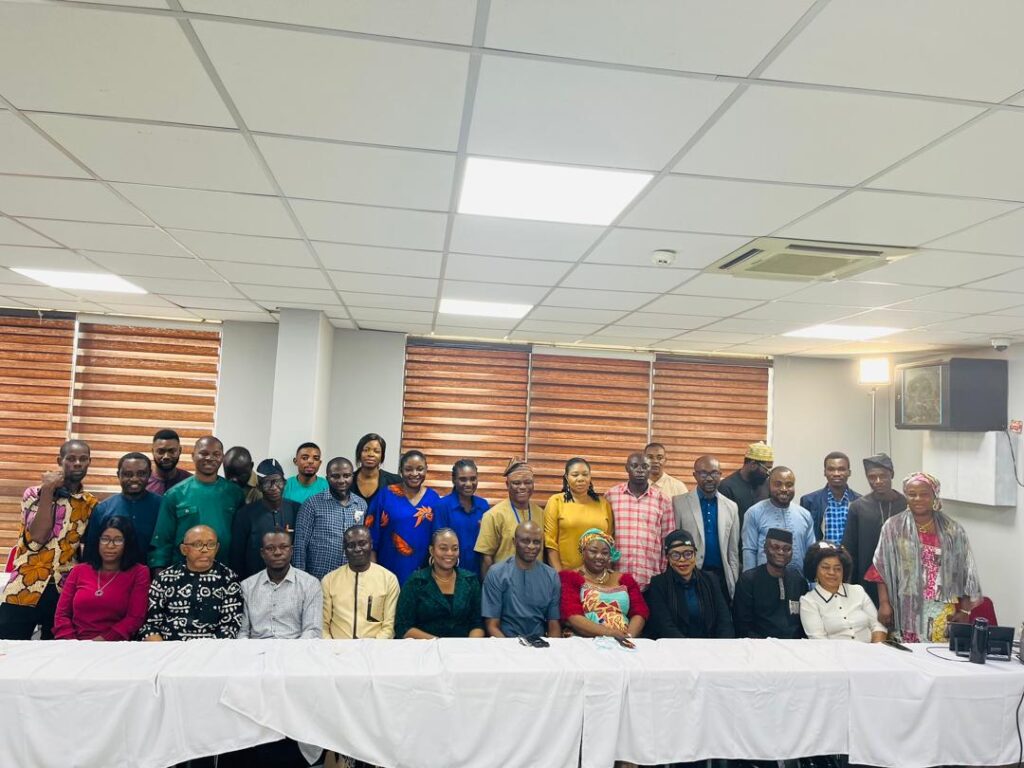
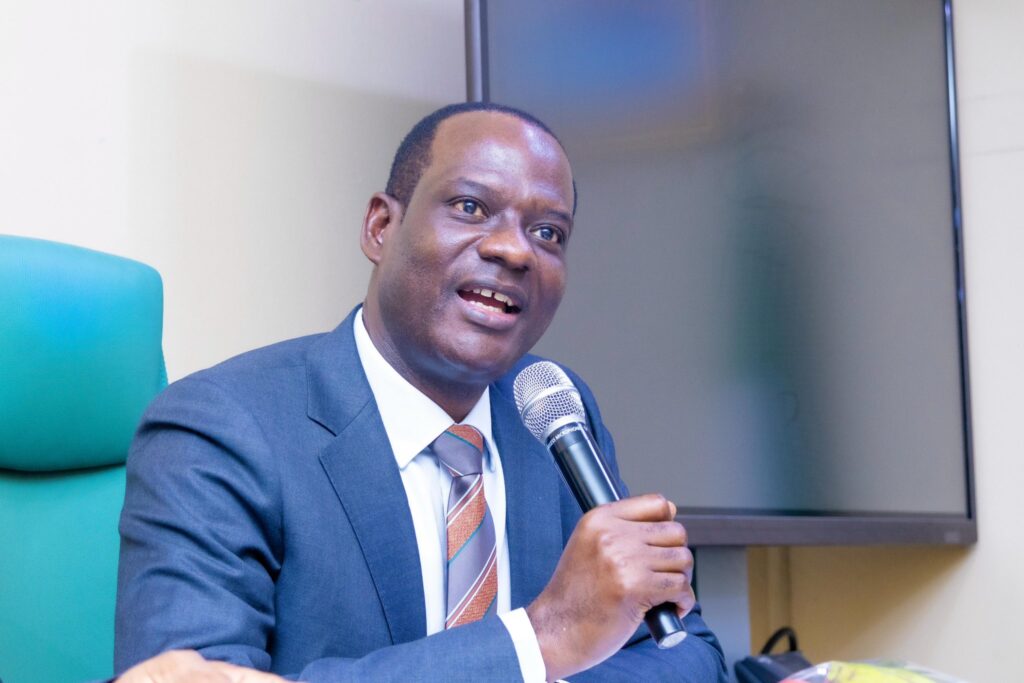
The Director-General of the National Institute for Legislative and Democratic Studies (NILDS), Prof. Abubakar Sulaiman, has underscored the need for stronger fiscal governance, institutional discipline and innovative revenue management as he inaugurated a two-day capacity-building programme for members of the Revenue Mobilisation Allocation and Fiscal Commission (RMFAC).
Speaking at the opening ceremony, Prof. Sulaiman described RMFAC as a critical institution in Nigeria’s economic governance architecture, with responsibilities that extend beyond revenue generation to the allocation, management and efficient utilisation of public resources.
He noted that NILDS, established by an Act of the National Assembly, plays a strategic role in strengthening democratic institutions through improved governance, accountability and legislative oversight.
The DG said his administration remains committed to enhancing the capacity of public institutions to effectively monitor federal revenues, manage statutory disbursements and provide sound fiscal advice to government.
He commended the leadership of RMFAC, led by its Chairman, Dr. Mohammed Shehu, for its commitment to institutional development and national growth.
Addressing Nigeria’s Fiscal Challenges
According to Prof. Sulaiman, Nigeria’s economy presents significant opportunities for growth despite persistent fiscal challenges, including limited revenue, rising debt obligations and heavy dependence on revenue sources that are largely beyond the country’s direct control.
He stressed that the current economic realities require continuous innovation in fiscal management to minimise risks while maximising revenue opportunities.
“No organisation, and indeed no nation, can achieve sustainable growth without internal stability and effective governance structures,” he said.
Strengthening Institutional Governance
Prof. Sulaiman described the Business and Rules Committee as a vital mechanism for promoting internal governance, coordinating the Commission’s activities, ensuring compliance with established procedures and strengthening institutional discipline.
He said the committee plays a key role in facilitating decision-making, monitoring governance processes and enforcing procedural standards, all of which are essential to the Commission’s efficiency, transparency and credibility.
According to him, the two-day training programme will expose participants to contemporary approaches in institutional governance, committee administration, procedural compliance, strategic leadership, operational efficiency, ethical leadership and oversight mechanisms.
He added that the programme is designed to equip committee members with practical tools to improve internal coordination, streamline decision-making processes, strengthen accountability and foster a culture of compliance across the Commission.
Prof. Sulaiman expressed confidence that the knowledge gained would further enhance RMFAC’s ability to fulfil its statutory mandate of promoting effective resource allocation, sound fiscal management and institutional excellence.
He also reaffirmed the Federal Government’s commitment to supporting governance institutions through quality research, policy development and sustained capacity-building initiatives aimed at improving public sector performance.
RMFAC Chairman Emphasises Continuous Learning
Earlier, the Chairman of RMFAC, Dr. Mohammed Shehu, who was represented by Mr. Madu-Aju Juluri, said the committee was undergoing further capacity building to strengthen its understanding of legal and democratic principles despite Nigeria’s nearly three decades of democratic governance.
He explained that the training was aimed at improving the committee’s operations by learning from experts and adopting best practices in institutional governance.
According to him, the programme would deepen members’ understanding of the legal and procedural frameworks guiding the Commission’s activities and decision-making processes.
Although Nigeria has practised democracy for 27 years, he said continuous learning remains essential to improve institutional performance and ensure that public officials discharge their responsibilities in line with established legal and democratic principles.
“We are here today to learn more and to be better educated on our activities,” he said.
Dr. Shehu encouraged participants to take full advantage of the training by learning from experienced resource persons and applying the knowledge gained to strengthen the committee’s work and improve service delivery.
Technical Sessions
Participants attended technical sessions covering key areas of fiscal governance and institutional development, including:
• Fiscal federalism and the constitutional powers of different tiers of government in resource mobilisation and management in Nigeria, presented by the Director of Legal Studies, Dr. Shuaibu Danwaka.
• Review and interpretation of guiding rules for revenue mobilisation and management, delivered by the Deputy Director, DLSS, Dr. Oguche Samuel.
• Leveraging digital tools for effective legislative engagement and promoting national development goals for Business and Rules operations, presented by the Head of ICT, Dr. Christian Odo.
• Legislative oversight, report writing and project monitoring for RMFAC Business and Rules operations, delivered by the Director of Studies, Dr. Asimiyu Abiola.