By Sofiat Adenekan-Abdul
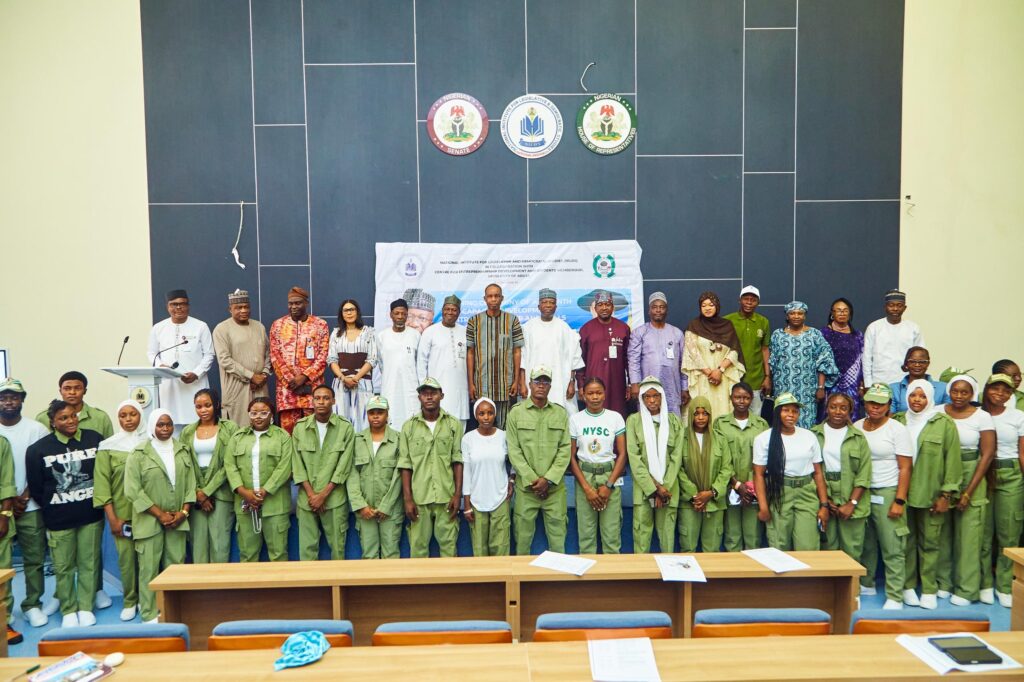
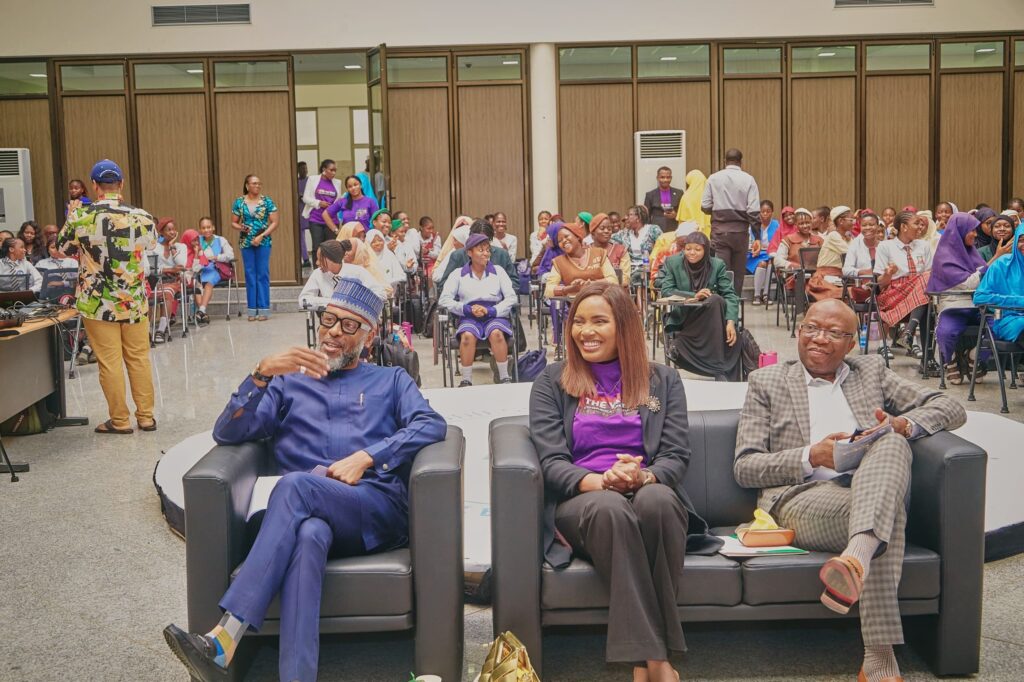
The Director-General of the National Institute for Legislative and Democratic Studies (NILDS), Professor Abubakar Sulaiman, has called for increased investment in public education after Government Secondary School, Dutse Alhaji, emerged winner of the maiden Federal Capital Territory (FCT) Intersecondary School Debates Competition on girls’ rights.
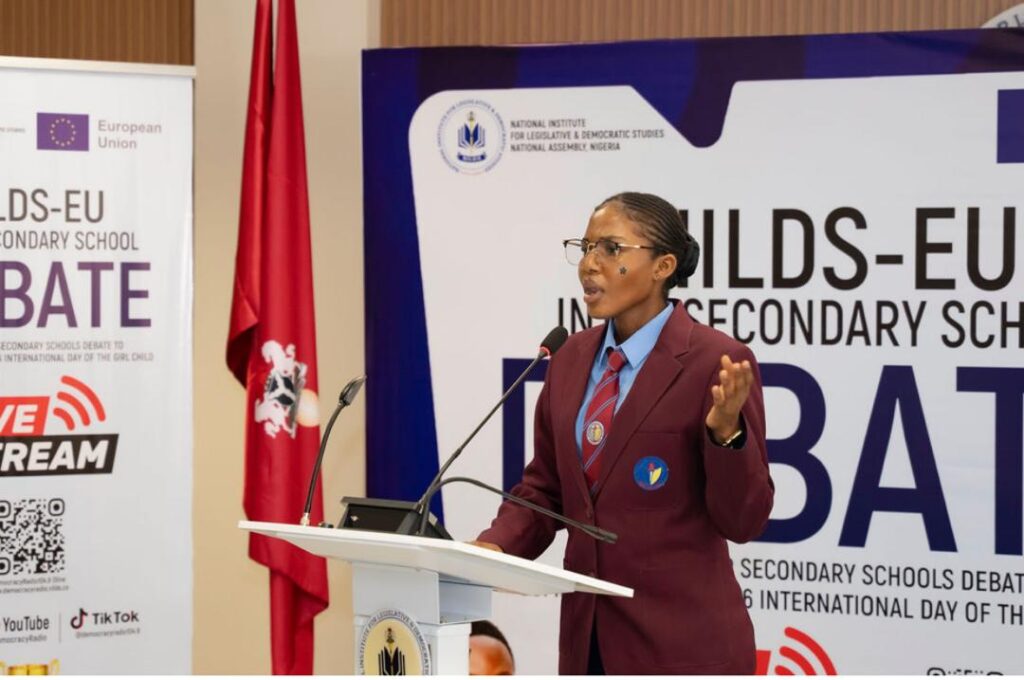
Dutse Alhaji scored 89 per cent to defeat Government Science Secondary School, Maitama, which came second with 76 per cent in the final debate on the motion, “Empowering the Girl Child Is More Effective Than Punishing Offenders in Child Marriage.”
Speaking at the grand finale in Abuja on Monday October 12, 2026, prof Sulaiman said the students’ performance demonstrated that public schools could compete favourably with their private counterparts when given the necessary support and opportunities.
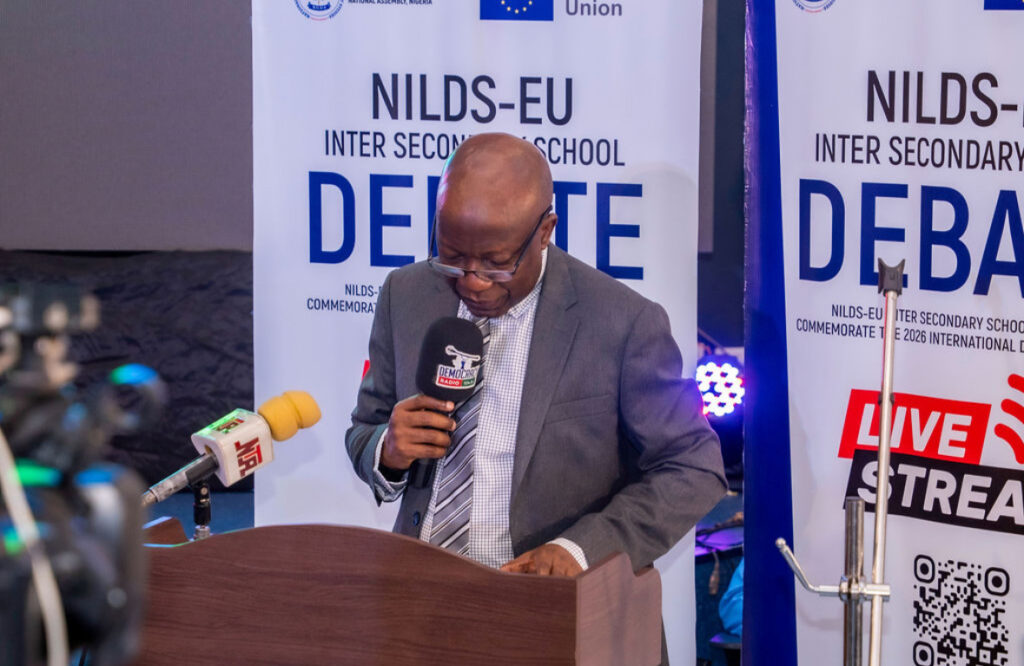
He described the achievement as an opportunity to recognise the potential of students from less privileged backgrounds and urged the government to sustain and increase investment in public education.
“The children of nobody are somebody,” the Director-General said, noting that students in public schools had demonstrated intelligence, confidence and the ability to engage critically with issues affecting society.
Prof Sulaiman explained that the competition was organised by NILDS in collaboration with the European Union Delegation to Nigeria and ECOWAS to commemorate the 2026 International Day of the Girl Child.
He said the initiative was designed to develop girls’ potential, promote awareness of their rights and provide a platform for them to express their views on issues affecting their future.
The NILDS chief commended the students for their research, arguments and confidence, while urging other institutions, multilateral organisations and development partners to support programmes promoting girls’ education and empowerment.
He expressed hope that the competition would become an annual event and expand beyond the FCT to other states.
EU Reaffirms Commitment to Girls’ Empowerment
The Head of the European Union Delegation to Nigeria and ECOWAS, Ambassador Gautier Mignot, reaffirmed the EU’s commitment to gender equality and the empowerment of women and girls.
Mignot identified child marriage and unequal access to education as significant challenges requiring targeted interventions and sustained investment.
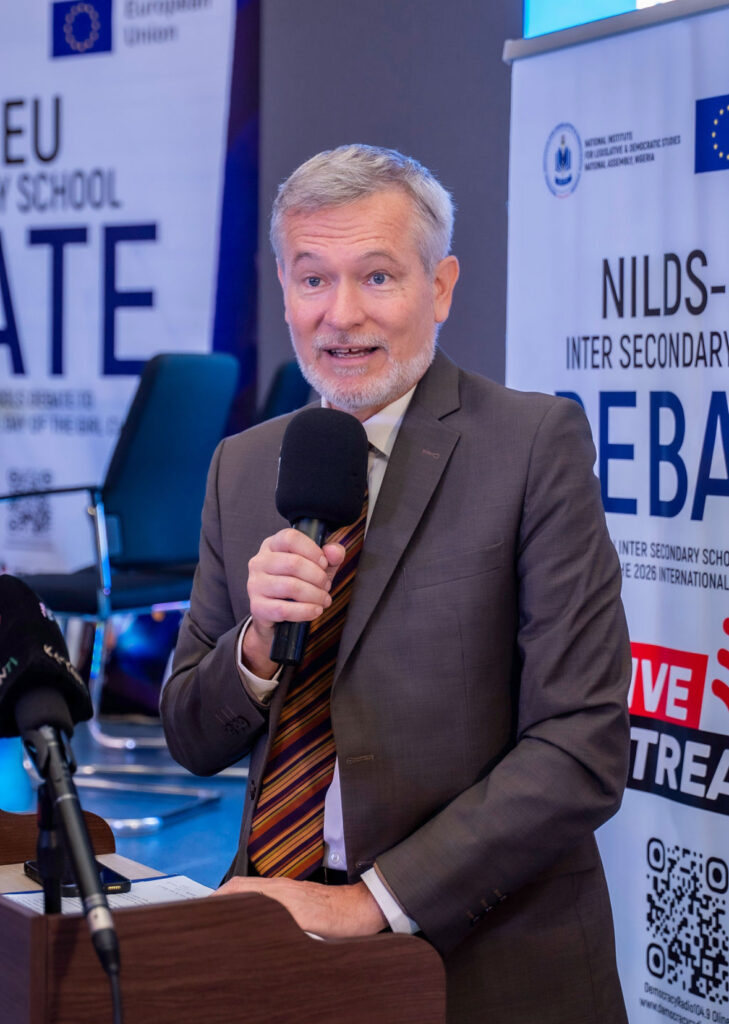
He said gender equality remained central to the EU’s values, adding that societies benefited when women and men had equal opportunities to contribute to education, businesses and public institutions.
The Ambassador encouraged the students to recognise their potential and use their education to make meaningful contributions to their communities and society.
Similarly, ECOWAS Programme Officer for Child Rights, Alikiloh Bassa, called for collective action by governments, families and communities to address child marriage across West Africa.
Bassa highlighted ECOWAS policies and strategic frameworks on child protection, stressing that education remained an important tool for preventing child marriage.
She urged individuals and communities to take responsibility for tackling the practice, rather than treating the International Day of the Girl Child as merely a commemorative occasion.
Students Advocate Stronger Protection for Girls
Students who participated in the competition said the debate had broadened their understanding of girls’ rights, the dangers of child marriage and the importance of education.
Faruk Fatimah of Government Science Secondary School, Maitama, said the experience had taught her that girls had rights and should be confident in making decisions about their lives.
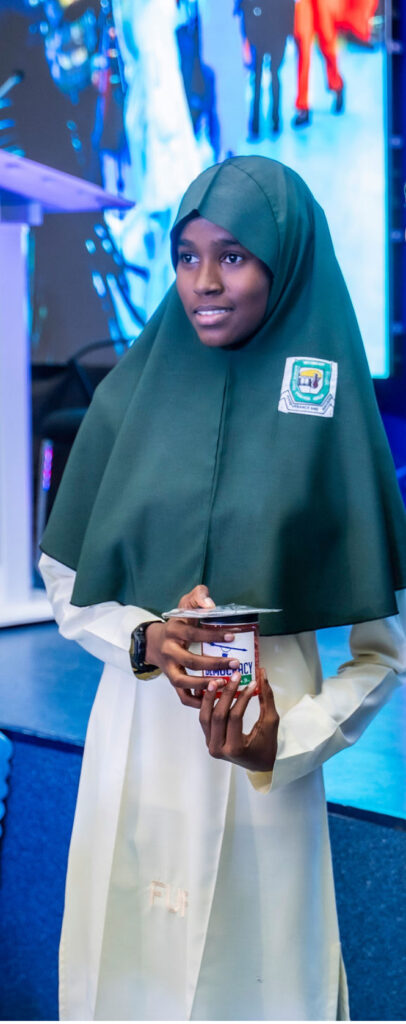
“I have really learnt a lot, and I know that as a girl, I have rights. I don’t need to wait for someone else’s decision to apply to myself,” she said.
Fatimah urged girls to understand their rights, stand up for themselves and remain confident when making decisions.
Onuoha Grace of Government Secondary School, Dutse Alhaji, described the victory as significant for her and her school, adding that the competition had strengthened her understanding of the dangers of child marriage and the need for girls to speak out against practices that violate their rights.
She said she intended to share the knowledge gained with her friends and classmates to raise awareness about child marriage.
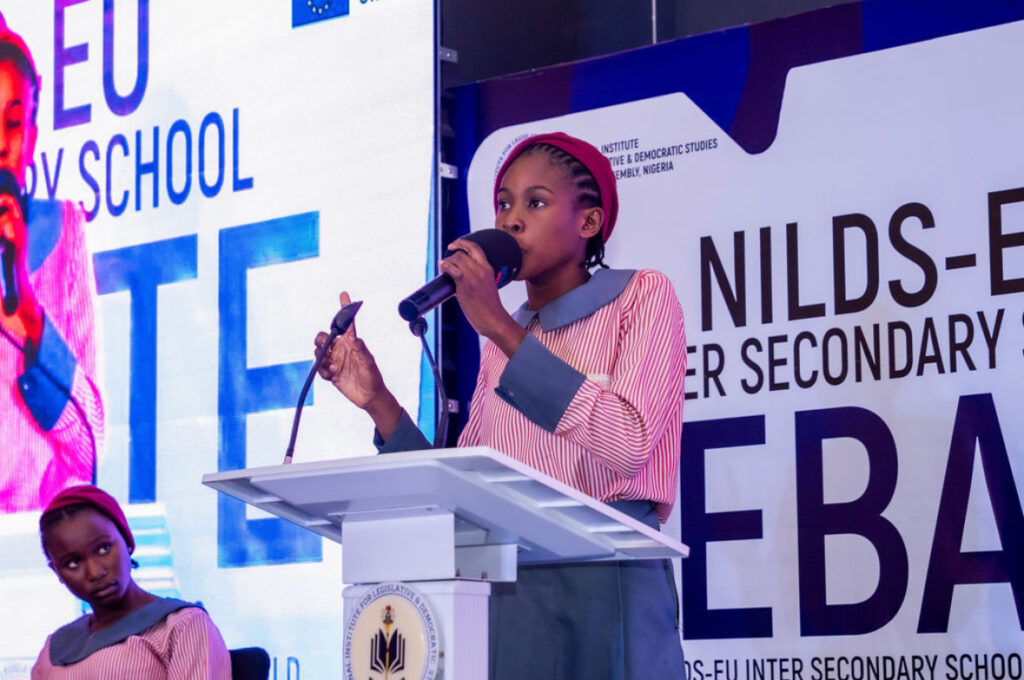
While acknowledging government efforts to address the problem, Grace called for stronger action, noting that child marriage and other violations of girls’ rights remained concerns in Nigeria.
Another student from Dutse Alhaji, Chinasa Annabelle, said she planned to establish a platform to raise awareness about child marriage and advocate an end to the practice.
Teachers Identify Barriers to Girls’ Education
Teachers from the schools also identified poverty, high cost of education and parental attitudes as major barriers to girls’ access to quality education.
Samuel James, a teacher at Government Science Secondary School, Maitama, said financial constraints prevented many families from providing their children with adequate educational opportunities.
He called for measures to make education more affordable and improve teaching quality, noting that such interventions could help bridge gaps in access to education.
James also stressed the need to educate parents on the broader benefits of schooling, including the relationships, experiences and personal development opportunities children gain beyond the classroom.
Another teacher, Lawrence Ogorumba of Government Secondary School, Dutse Alhaji, similarly identified parental understanding of education as a significant factor influencing children’s access to learning opportunities.
The contributions reinforced calls for stronger collaboration among government, families, schools and development partners to remove barriers preventing girls from accessing and completing their education.
Four Schools Advance to Semi-Finals
The competition was conducted in three stages, with the preliminary round held on 28th September, the second stage on 5th October and the grand finale on 12th October 2026.
Twelve schools drawn from the six area councils of the FCT participated in the preliminary stage, comprising six public and six private secondary schools. Six schools advanced to the second stage, while four qualified for the semi-finals.
Government Secondary School, Dutse Alhaji, and Government Science Secondary School, Maitama, subsequently advanced to the final.
Ambassadors Global Academy finished third with 75.3 per cent, while Baptist High School placed fourth with 69.6 per cent in the semi-final results provided by the organisers.
Sulaiman commended the participating schools, students, teachers, judges and organising committee for their contributions to the competition.
He said the initiative reflected NILDS’ broader commitment to democratic governance, legislative capacity development and preparing young Nigerians to participate meaningfully in public affairs.
The competition was organised in collaboration with the European Union Delegation to Nigeria and ECOWAS, with support from the FCT Secondary Education Board, the Education Resource Centre and other partners.