By Oluwakemi Kindness
Nigerian Ports Authority, NPA, and the Nigerian Ports Economic Regulatory Agency, NPERA, are working to prevent jurisdictional clashes and disruption to cargo movement as regulatory responsibility for Inland Dry Ports shifts under a new maritime sector framework.
The move follows a September 3, 2026 directive by the Minister of Marine and Blue Economy, Dr. Adegboyega Oyetola, transferring Inland Dry Ports regulatory functions from NPERA.
The directive came after President Bola Tinubu signed the Nigerian Ports Economic Regulatory Agency Act, 2026, into law.
The new law rebranded the former Nigerian Shippers’ Council as NPERA and expanded its regulatory mandate.
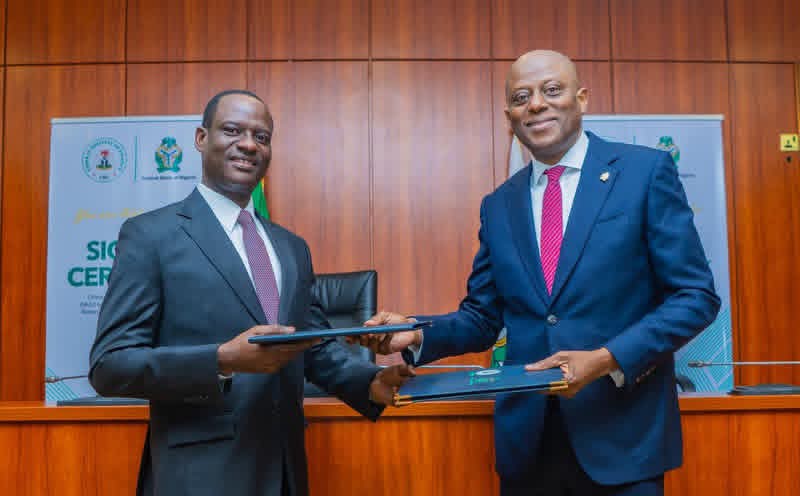
The transition was discussed during a meeting between the management of NPA and NPERA at the NPA headquarters in Lagos.
NPA Managing Director, Dr. Abubakar Dantsoho, said the authority was committed to supporting NPERA and ensuring better coordination among agencies under the Ministry of Marine and Blue Economy.
Dantsoho said a smooth transition could strengthen Nigeria’s logistics system and improve the movement of cargo from seaports to the hinterland.
“This transition represents a critical step forward in optimising our national logistics ecosystem,” Dantsoho said.
He added that closer coordination between the agencies would help eliminate operational friction and improve port efficiency.
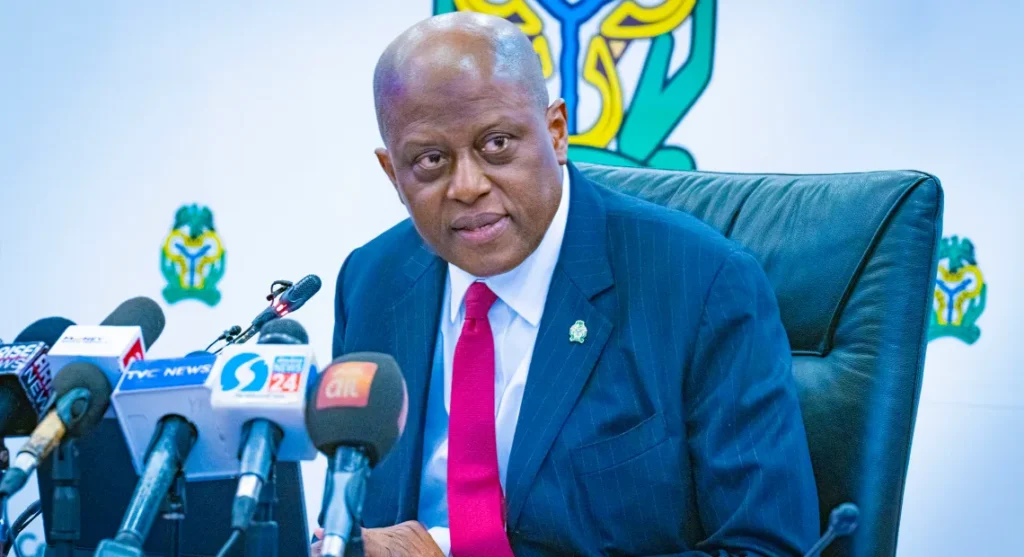
NPERA Director-General and Chief Executive Officer, Dr. Pius Akutah, said NPA remained central to the development and sustainability of Inland Dry Ports.
Akutah said the meeting was aimed at creating a common understanding among the agencies and other stakeholders to ensure an uninterrupted transition.
To prevent overlapping responsibilities, Akutah proposed a Joint Inter-Agency Committee, structured as a Technical Working Group.
The proposed committee will include representatives of the Federal Ministry of Marine and Blue Economy, NPA, NPERA, the Nigerian Maritime Administration and Safety Agency, NIMASA, the
National Inland Waterways Authority, NIWA, and the Nigerian Railway Corporation, NRC.
According to Akutah, the committee will work to identify and resolve operational conflicts, streamline administrative procedures and prevent duplication of responsibilities across Inland Dry Port operations.
Both agencies said they would align their institutional frameworks with the Minister’s directive while working to improve trade facilitation and efficiency across Nigeria’s port and logistics system.