By Chinedu Echianu
The Nigeria Social Insurance Trust Fund (NSITF) has reiterated its commitment to protecting vulnerable workers, particularly persons living with disabilities, through strengthened occupational safety and health measures across workplaces in the country.
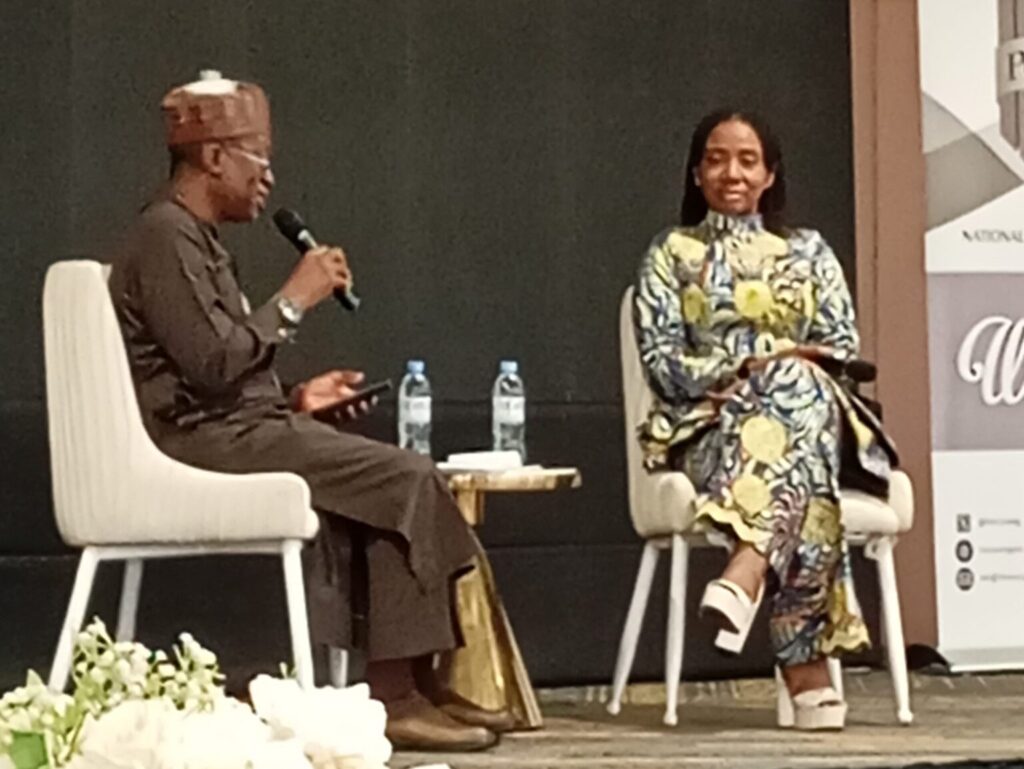
Managing Director of the Fund, Barrister Oluwaseun Faleye, stated this during a panel session at the recently concluded International Civil Service Conference in Abuja. The session focused on the theme: “Inclusive Public Services for Women, Youths, Persons with Disabilities and Vulnerable Groups.”
Faleye, who was represented by the Abuja Regional Manager of NSITF, Bridget Ashang, said the Fund’s Employees’ Compensation Scheme (ECS) remains a critical social protection mechanism designed to support workers and their dependants in the event of workplace accidents, diseases, disabilities, or death.
According to him, the scheme ensures that employees affected by workplace incidents receive adequate care and compensation, while dependants of deceased workers are supported until the last child reaches the age of 21 or graduates from a tertiary institution.
“NSITF runs the Employees’ Compensation Scheme, a social protection and social security scheme for employees. If there is any incident that leads to injury, disability or disease in the course of work, the Fund takes care of the employee and the dependants,” he said.
The NSITF boss stressed that beyond compensation, the agency prioritises prevention through workplace safety audits and corrective measures aimed at reducing occupational hazards.
“For NSITF, our core mandate is compensation for employees if there is any incident in the course of work. However, we realise that prevention is better than compensation, and that is why we are leading when it comes to occupational safety and health,” Faleye stated.
He explained that the Fund regularly conducts workplace assessments to identify unsafe conditions and recommend corrective actions to employers in order to create safer and more inclusive work environments.
Faleye also drew attention to workers as a vulnerable group often overlooked in discussions about social protection and welfare. “A lot of the time when we talk about social security and social protection, we focus on children, maternal care, education and pensions. But we forget those who wake up every morning, commute in all kinds of weather, spend hours at work, and face risks daily. Those are the people NSITF is concerned about,” he added.
He further noted that workplace-related incidents can sometimes result in permanent disabilities, making it necessary for organisations to promote accessibility and inclusiveness for women, youths, and persons living with disabilities.
According to him, NSITF promotes safe, healthy, and inclusive workplaces through occupational safety inspections and advocacy for accessibility measures that protect vulnerable workers.
Faleye, however, lamented the absence of sanctions in the existing legal framework guiding workplace safety, noting that while the law mandates employers to protect workers, it lacks strict punitive measures for non-compliance.
“Our law says employers should ensure employees are properly taken care of while they are working. If there is an incident, we step in, but we always believe prevention is better than cure. Unfortunately, there are no sanctions,” he said.
Other panelists at the session included Permanent Secretary, Federal Ministry of Health, Kachallom Daju; Permanent Secretary, Federal Ministry of Humanitarian Affairs, Olubunmi Olusanya; Permanent Secretary, Federal Ministry of Justice and Solicitor General of the Federation, Mrs Beatrice J.D. Agba; disability rights advocate and Jake Epelle.