By Oluwakemi Kindness
The House of Representatives has pledged to strengthen Nigeria’s commercial laws to improve the ease of doing business, remove regulatory barriers and attract more local and foreign investment into the country.
Speaker of the House of Representatives, Abbas Tajudeen, made the commitment on Monday while declaring open a public hearing organised by the House Committee on Commerce on several bills before the committee at the National Assembly in Abuja.
Abbas said the review of the bills is aimed at ensuring Nigeria’s commercial laws respond to emerging economic realities, technological advancements and international best practices needed to make the country more competitive.
“We must ensure that our commercial laws are responsive to emerging realities, technological advancement and international best practices,” the Speaker said.
He noted that commerce remains one of the key drivers of economic growth, investment, production, innovation and job creation, stressing that the National Assembly is committed to enacting laws that support enterprise and strengthen consumer confidence.
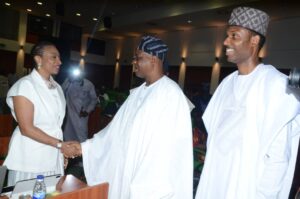
According to him, the public hearing is intended to subject the proposed legislation to broad stakeholder scrutiny, receive expert contributions and refine the bills before their passage.
“The legislation we eventually enact must promote enterprise, protect legitimate business interests, encourage fair competition and advance sustainable economic growth,” Abbas said.
The Speaker said the exercise aligns with the Legislative Agenda of the 10th House of Representatives, which prioritises economic growth, institutional reforms, good governance and private sector development.
He added that since its inauguration, the House has focused on passing laws that improve the business environment, support entrepreneurship, eliminate unnecessary regulatory bottlenecks and create more opportunities for Nigerians.
Abbas also reaffirmed the House’s commitment to supporting President Bola Tinubu’s economic reform programme through legislation and oversight.
“We shall continue to provide the legislative framework and oversight necessary to translate that vision into measurable progress for businesses, investors and ordinary Nigerians,” he said.
He urged stakeholders participating in the hearing to make objective and constructive contributions that would strengthen the bills and enhance Nigeria’s competitiveness as an investment destination.
The Speaker expressed confidence that the House Committee on Commerce would conduct the hearing with fairness and transparency, noting that inputs from government agencies, the private sector, professional bodies, civil society organisations and development partners would enrich the legislative process.
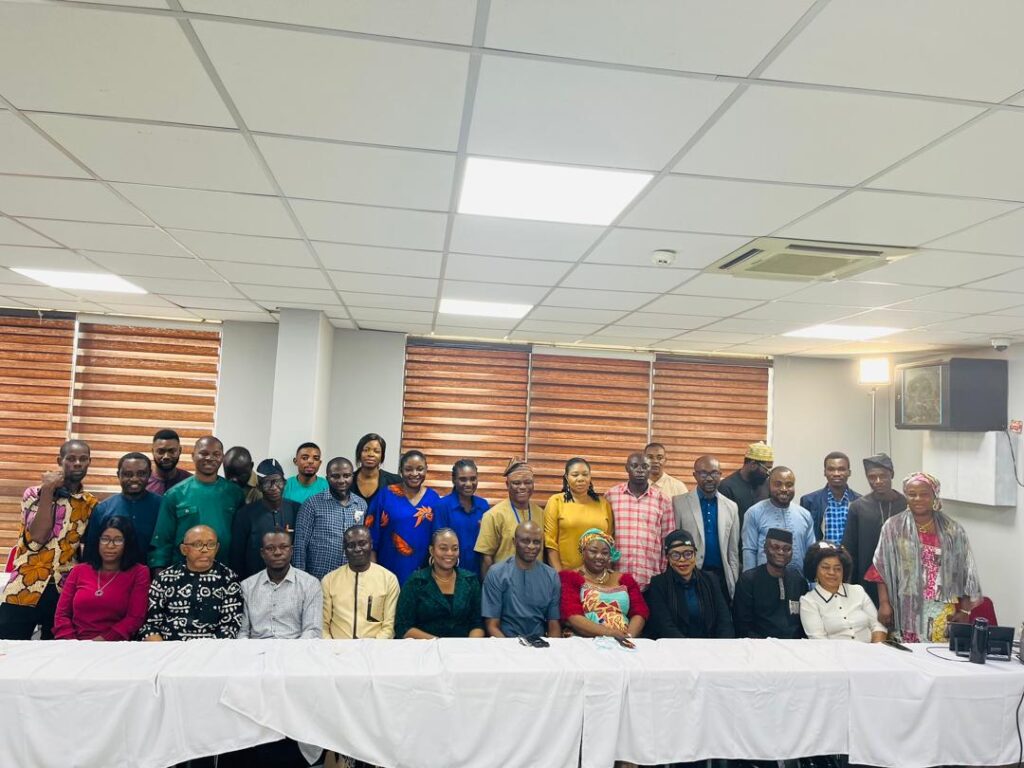
The public hearing brought together lawmakers, representatives of the Executive, regulatory agencies, organised private sector groups, professional associations, development partners and other stakeholders to deliberate on the proposed commerce-related bills before the committee.
Meanwhile, Chairman of the Committee on Commerce, Rep. Ahmed Mohammed-Munir, said the proposed laws are designed to promote economic growth, improve competitiveness and align Nigeria’s commercial framework with global realities.
The bills are grouped into three key areas:
Trade Expansion and Protection of Local Assets
- AfCFTA Implementation Bill (HB. 2765) – to provide a legal framework for Nigeria’s participation in the African Continental Free Trade Area.
- NEPC Act Amendment Bill on Geographical Indications – to protect Nigeria’s unique products and boost export value.
- NEPC Act Amendment Bill on NIMASA Update – to update statutory references and improve institutional alignment.
Modernisation of Commerce and Digital Economy
- Mainstreaming Digital Economy Bill – to integrate digital growth strategies into trade, investment and industry.
- Sale of Goods Act Amendment Bill – to address modern issues including e-commerce and digital payments.
- Price Control Act Amendment Bill – to strengthen consumer protection and update provisions on essential goods.
Professional Standards and Institutional Capacity
- Chartered Institute of Human Resources and Strategic Management Bill.
- Chartered Institute of Business Development of Nigeria Bill.
- Chartered Institute of Counselling in Nigeria Bill.
- Chartered Risk Management Institute Amendment Bill.
- Chartered Sustainability Professional Institute of Nigeria Bill.
- Institute of Chartered Applied Information Management Professionals Bill.
- Chartered Institute of Human Resources Management Bill.
Munir urged stakeholders to provide data-driven recommendations to help refine the bills into effective laws that will support businesses, investment and economic growth.