By Oluwakemi Kindness
The Senate Committee on Customs and Excise says its inspection of Nigeria Customs Service facilities has convinced lawmakers that public funds allocated to the Service are being responsibly used to drive reforms and modernisation.
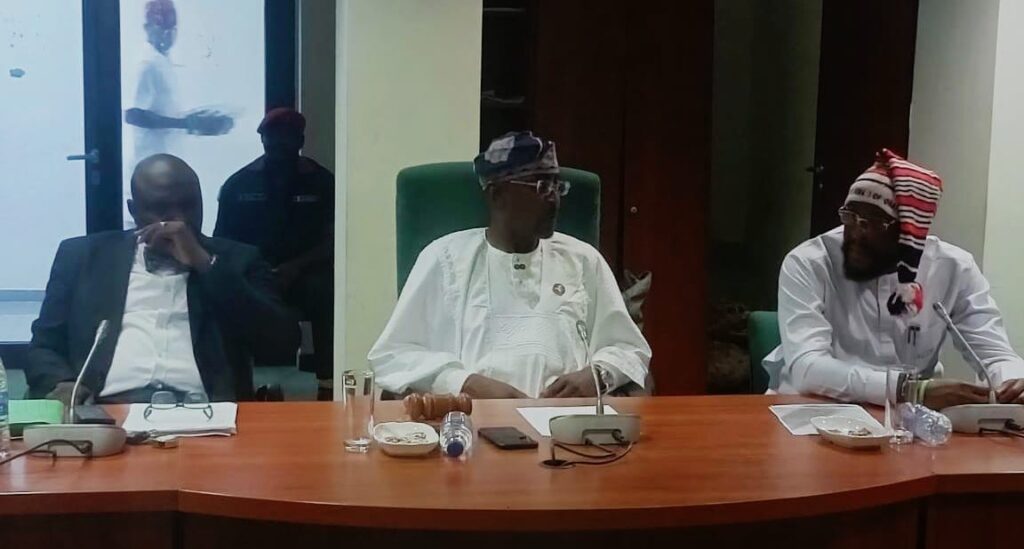
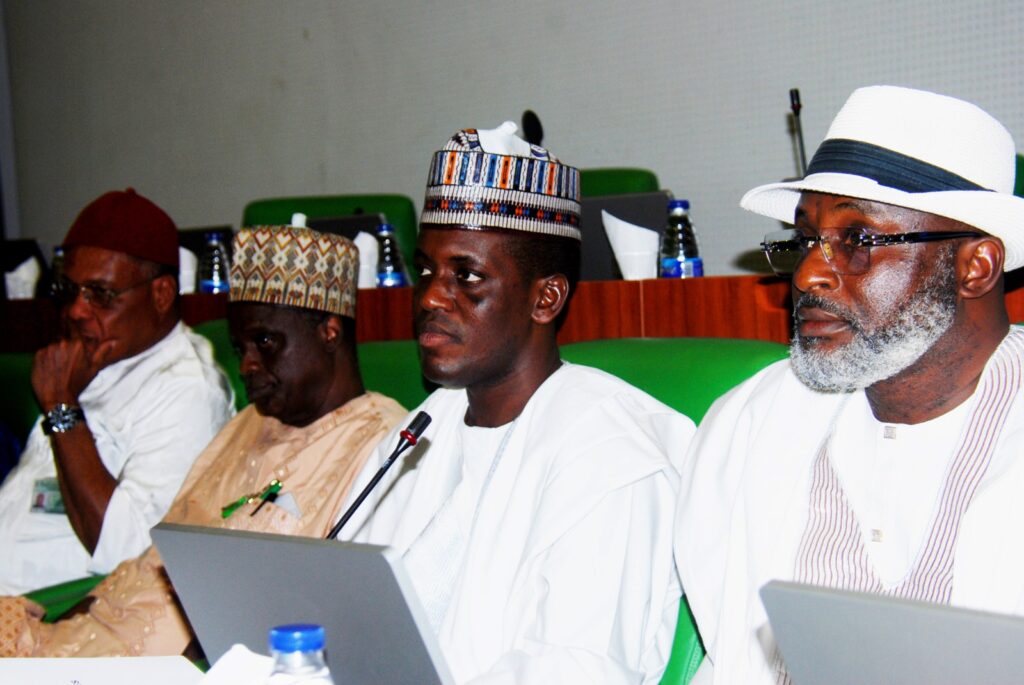
The committee chairman, Senator Isah Jibrin, made this known during a two-day retreat between the committee and the Nigeria Customs Service in Abuja.
A statement on Sunday by Abdulahi Maiwada, Customs spokesperson, says members of the committee toured the Customs House in Maitama, where they inspected the Service’s modernisation initiatives, technology-driven operations and institutional reforms.
Jibrin said the visit gave lawmakers the opportunity to see the changes within the Service firsthand.
“We have heard about these reforms from afar, but today we have seen them ourselves,” he said.
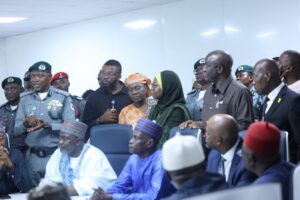
The senator said the transformation was particularly evident in the deployment of technology, modern infrastructure and operational innovations.
He said the inspection would also help the committee make better-informed decisions when the Customs Service seeks approval for capital expenditure from the National Assembly.
“When the NCS comes before the National Assembly seeking approval for capital expenditure, we now have a clearer understanding of what those resources are being used for,” Jibrin said.
He added that the reforms demonstrated that government funds were being invested responsibly to strengthen Customs operations, improve trade facilitation and enhance national revenue.
Customs Expands Digital Operations
The Comptroller-General of Customs, Adewale Adeniyi, said the Service’s progress was driven by deliberate investment in technology.
He said Customs began by deploying digital solutions in personnel administration, postings, staff matters and pensions before extending the technology to core operational activities.
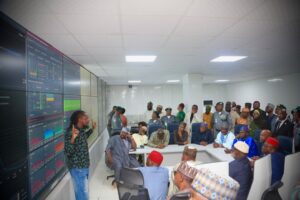
“Technology helps us to work faster and more efficiently,” Adeniyi said.
He said the Service would continue expanding its use of technology until virtually every aspect of Customs operations becomes digitally driven.
Adeniyi also disclosed that Customs had introduced advanced technologies into its enforcement operations, including virtual shooting simulators, geospatial intelligence and digital surveillance.
He said geospatial intelligence was being used to map patrol routes and position checkpoints more efficiently across the country.
According to him, the technology, combined with modern training facilities such as the virtual shooting range, would strengthen Customs’ enforcement capabilities.
Customs Defends Modernisation Programme
Adeniyi said the Service’s modernisation initiatives were backed by the Nigeria Customs Service Act.
He listed the Authorised Economic Operator Programme, Advance Ruling, Time Release Study and scanner deployment among the reforms being implemented under the law.
He said Customs would continue to implement the reforms to support the Federal Government’s agenda on trade facilitation, revenue generation and operational efficiency.