By Julian Osamoto
Stakeholders have urged government and private sector actors to close persistent gaps in digital accessibility and prevent the exclusion of persons with disabilities PWDs from Nigeria’s expanding digital ecosystem.
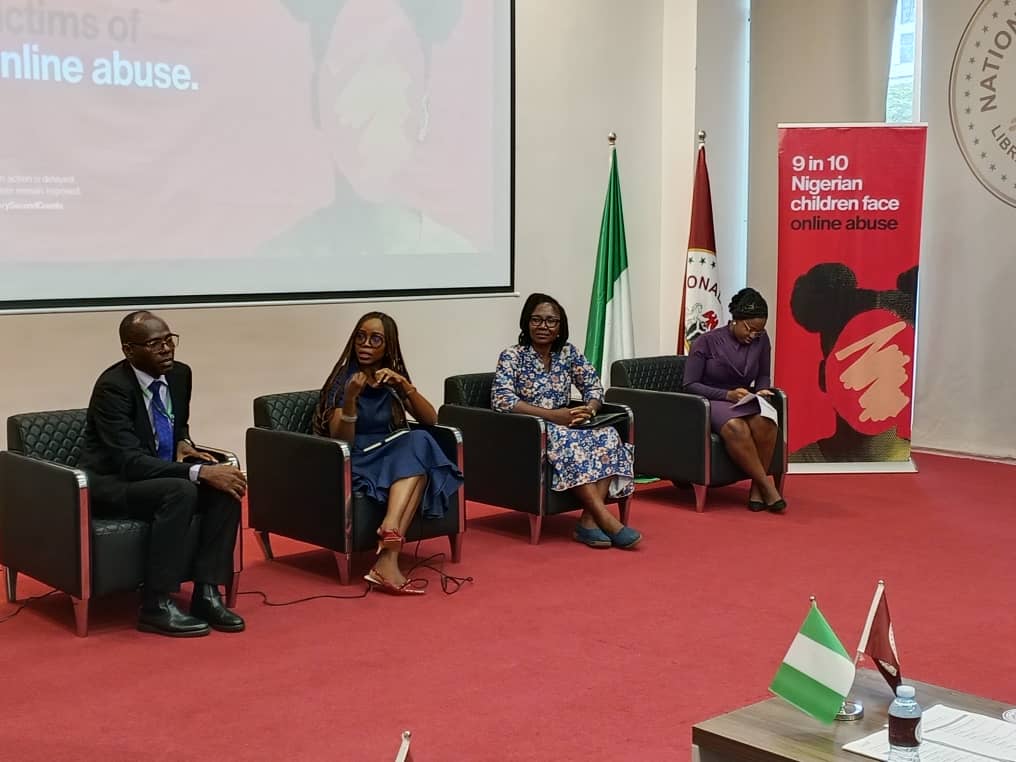
They made the call at a digital policy engagement roundtable in Abuja, where participants reviewed Nigeria’s digital inclusion framework, identified policy gaps, and proposed reforms to improve accessibility across public and private digital systems.
Weak compliance fuels exclusion
Speaking at the forum, Executive Director of Paradigm Initiative (PIN), Gbenga Sesan, said persons with disabilities continue to face systemic exclusion despite rapid growth in digital services.
He said Nigeria records less than 30 per cent compliance on disability inclusion, which is far below countries with over 50 per cent compliance. “Technology should include more people rather than exclude them,” Sesan said.
He warned that many digital platforms fail to meet accessibility standards, especially after updates that break compatibility with assistive technologies.
Sesan cited recruitment and examination systems where candidates with disabilities performed poorly because they lacked access to assistive tools. “Only one-third of the affected candidates passed because the necessary assistive technologies were not provided,” he said.
Four-point reform agenda
Sesan urged government and private sector actors to integrate accessibility into the foundation of digital planning instead of treating it as an add-on.
He called for the inclusion of assistive technologies in procurement processes and urged authorities to deploy the Universal Service Provision Fund to support accessibility tools.
He also pushed for inclusive education systems, warning that many learners with disabilities remain excluded due to lack of support tools. “Many young people with disabilities cannot access learning tools and depend on copying notes from others,” he said.
Sesan insisted that policymakers must involve persons with disabilities in all stages of decision-making. “Solutions must reflect lived experiences, not assumptions, rejecting segregated systems, inclusion should not create further exclusion.” ” he said.
According to him, public institutions, including security agencies, must improve responsiveness to vulnerable groups. “Representation, listening and openness to criticism are necessary steps towards genuine inclusion,” he maintained.
PIN boss warned that exclusion persists even when systems exist but remain inaccessible. “Placing a computer before someone who cannot use it without support is still exclusion,” he said.
He estimated that more than 35 million Nigerians with disabilities remain underserved and called for better national data on assistive technology access.
Policy gaps, weak enforcement persist — Nwobilor
Also speaking Ihueze Nwobilor, Senior Program OfficerParadigm Initiative said the roundtable aimed to strengthen dialogue between policymakers and persons with disabilities.
He said the engagement brought together government officials, civil society groups, international partners, and disability communities to review legal and policy frameworks. “We know these conversations cannot happen without the people most affected,” Nwobilor said.
Nwobilor cited the Digital Inclusion Report of the Joint National Association of Persons with Disabilities, which estimates that about 35 million Nigerians with disabilities remain digitally excluded.
The Senior Program Officer raised concerns over weak enforcement of the Discrimination Against Persons with Disabilities (Prohibition) Act, stressing that only 23 states have adopted the law while 15 have established implementation agencies.
He also highlighted exclusion during the update of the national social register, where many persons with disabilities could not participate due to inaccessible digital platforms. “These figures clearly show the scale of exclusion in Nigeria’s digital systems,” he said.
Nigeria risks widening inequality
Participants at the roundtable warned that Nigeria risks widening inequality if it fails to embed accessibility in digital governance, procurement, education, and public service delivery.
They called for stronger enforcement of disability laws, improved data collection, and sustained involvement of persons with disabilities in policy design and implementation.