By Oluwakemi Kindness
In a decisive move to strengthen Nigeria’s revenue system and tackle fiscal leakages, the Nigeria Customs Service (NCS) and the House of Representatives have ramped up collaboration through the adoption of artificial intelligence (AI) in public financial management.
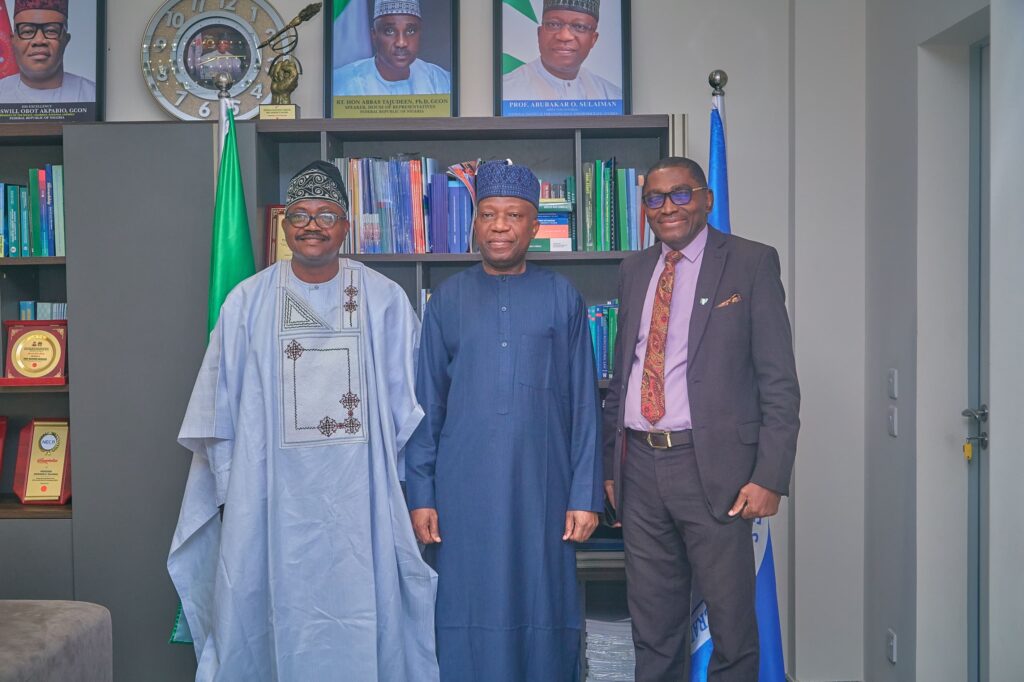
The Comptroller-General of the NCS, Adewale Adeniyi, and Chairman of the House Committee on Public Accounts, Bamidele Salam, made this known during a three-day AI training programme held in Abuja on Monday.
Adeniyi said the initiative signals a shift from the traditional “summons culture” associated with parliamentary oversight to a more collaborative approach built on engagement, capacity building, and shared responsibility.
According to him, the Customs Service has already begun integrating advanced technologies into its operations, deploying AI-driven tools such as risk management systems for trade facilitation, intelligent scanners for cargo inspection, and machine learning models for tariff classification under the Harmonized System.
He noted that AI is fast becoming central to enhancing revenue generation, ensuring accurate remittances, and improving reconciliation across a complex chain involving banks, auditors, and oversight institutions.
“Artificial intelligence offers us the opportunity to close revenue gaps, improve transparency, and build a more efficient system that works for the nation,” Adeniyi said.
On his part, Salam emphasized that parliamentary oversight should not be misconstrued as a fault-finding mission but rather as a mechanism to ensure efficiency, compliance, and accountability in public institutions.
He recalled previous engagements between the Public Accounts Committee and the Customs Service over audit queries from the 2019 and 2020 Auditor-General’s reports, noting that such interactions have now evolved into constructive dialogue aimed at institutional strengthening.
Salam commended the Customs Service for embracing reform and innovation, describing it as a forward-looking agency increasingly aligned with global best practices.
“As lawmakers, our responsibility is to ensure that systems function optimally. This partnership reflects a shared commitment to improving public financial management and delivering value to Nigerians,” he said.
Both leaders agreed that while AI presents immense opportunities to improve efficiency and transparency, its success will depend largely on discipline, integrity, and sustained commitment from personnel.
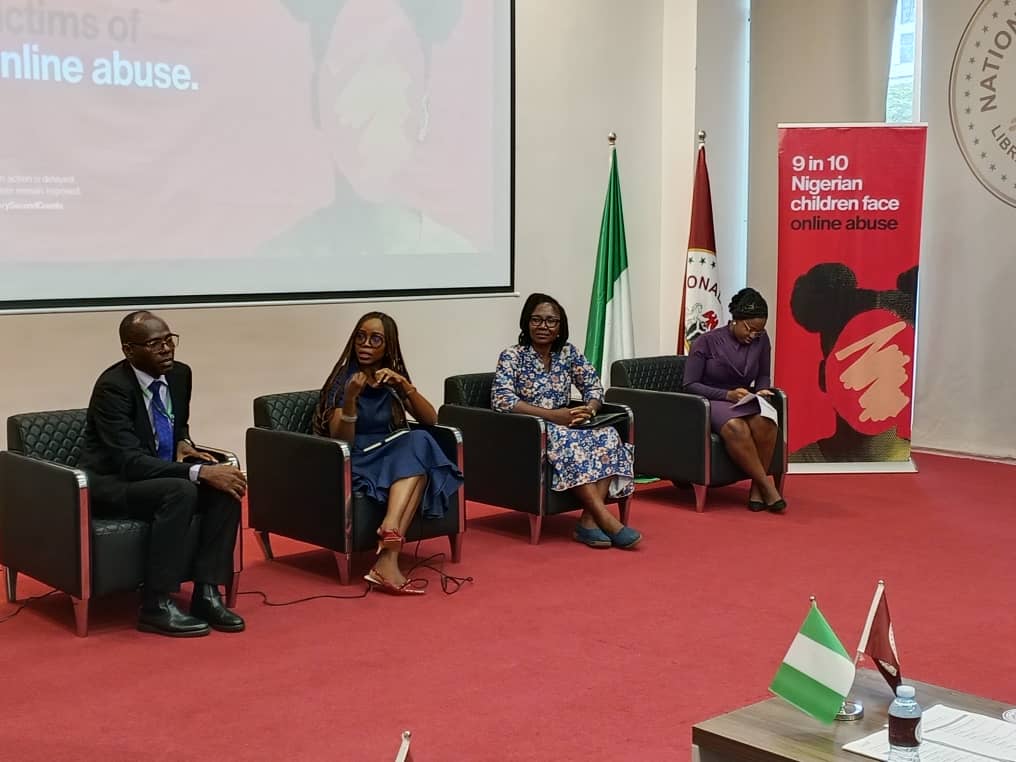
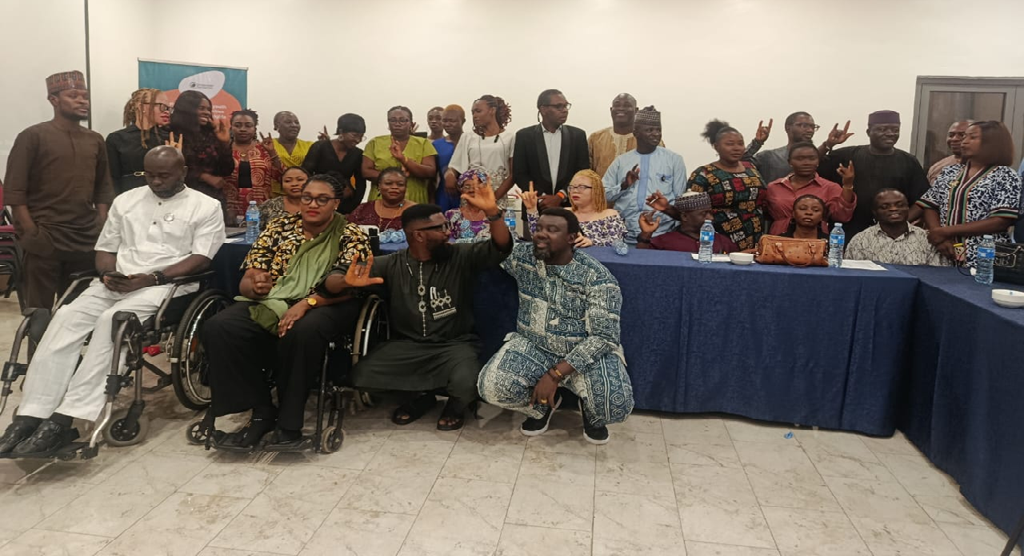
The training programme, which brought together Customs officers and key stakeholders, is designed to equip participants with practical knowledge of AI tools to enhance operational performance and support Nigeria’s broader fiscal objectives.
The session ended with a renewed pledge by both the Customs Service and the National Assembly to deepen cooperation, strengthen accountability frameworks, and boost revenue performance in line with national economic priorities.