By Anayo Akwitti
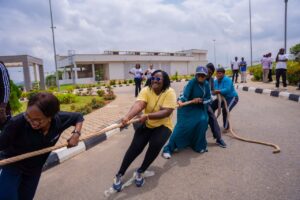
Sweat, laughter, camaraderie and friendly competition blended seamlessly on Saturday, July 4, as the management and staff of the National Institute for Legislative and Democratic Studies (NILDS) gathered for the second quarterly edition of the DG’s Social and Sports Day.
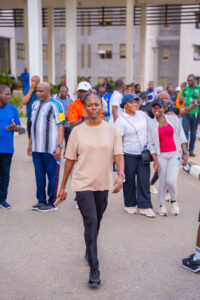
The Institute’s permanent site at No. 2 Professor Abubakar Sulaiman Avenue, Piwoyi, Abuja, came alive as staff members, dressed in colourful sportswear, turned out in large numbers for a day dedicated to fitness, recreation and team bonding.
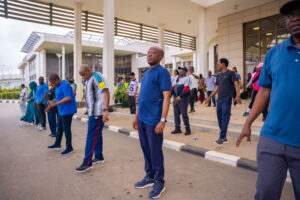

Building on the success of the maiden edition held in April, the event began with an energetic aerobics’ session led by a professional fitness instructor. At the forefront was the Director-General of NILDS and former Minister of National Planning, Professor Abubakar Sulaiman, who joined staff in the over one-hour exercise session, setting the tone for the day’s activities by leading from the front.
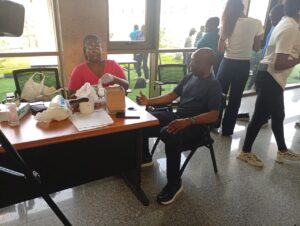
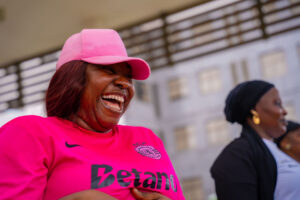
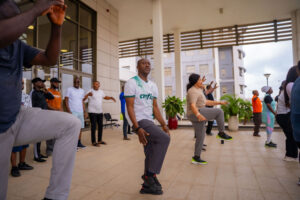
The quarterly sports initiative reflects the Institute’s recognition that employee wellness is an essential ingredient of organisational effectiveness. Beyond promoting physical fitness, the programme creates opportunities for staff to interact outside the formal work environment, strengthening relationships, encouraging collaboration and fostering a healthy workplace culture.
Under Professor Sulaiman’s leadership, staff welfare has remained an important component of the Institute’s administrative philosophy. The introduction of regular social and sporting activities complements ongoing efforts aimed at creating a productive, motivated and people-centred workforce.
The decision to name the event after the Director-General resonated with many staff members, who see it as recognition of a leader who actively participates in initiatives designed to improve staff well-being rather than merely endorsing them from the sidelines.
The philosophy underpinning the initiative aligns with contemporary thinking on leadership and organisational performance. Canadian leadership expert and bestselling author Robin Sharma aptly captures this relationship between personal wellness and professional success:
“Your career is a marathon, not a sprint. Treat your body like your most important asset—because the energy, discipline, and resilience you build through fitness are the same qualities that drive success at work.”

The message is simple but profound. Recreation is no longer viewed merely as leisure; it has become an important tool for improving productivity, reducing workplace stress and promoting personal growth. Increasingly, successful organisations recognise that employees perform better when work is balanced with opportunities for relaxation, exercise and meaningful social interaction.
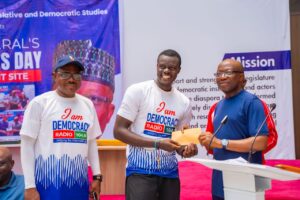
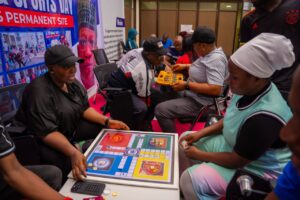
This philosophy was evident throughout the NILDS Social and Sports Day. Staff members competed with enthusiasm while also celebrating one another’s achievements, demonstrating that healthy competition and teamwork can coexist.
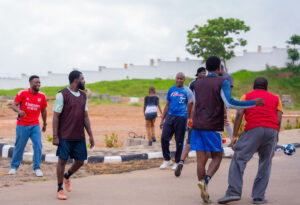
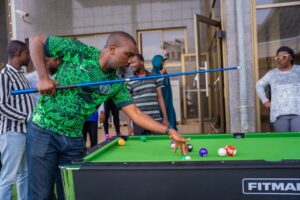
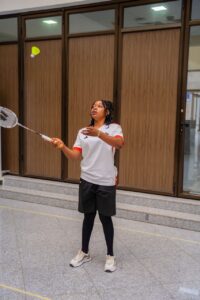
The second edition expanded significantly on the inaugural event. The Administrative Department, which coordinated the programme, introduced additional sporting and recreational activities, including football, ludo, crossword puzzles and tug-of-war, alongside existing events such as snooker, badminton, volleyball and table tennis.
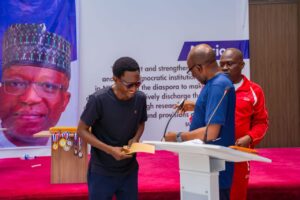
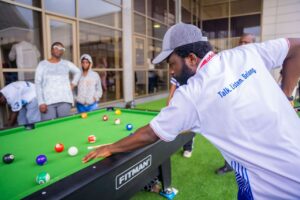
The atmosphere was electric as participants and supporters cheered competitors throughout the day, creating an environment defined by excitement, encouragement and mutual respect.
Outstanding performers were recognised with medals presented by Professor Sulaiman, while those who did not win were encouraged to return stronger and compete again at future editions—reinforcing the event’s emphasis on participation, resilience and continuous improvement.
Beyond the medals and games, however, the Director-General’s central message remained clear: the Social and Sports Day represents NILDS’ unwavering commitment to staff welfare and provides an avenue for colleagues to connect beyond the demands of official responsibilities.
For an institution renowned for legislative research, policy development and capacity building, dedicating time to employee wellness demonstrates an appreciation that organisational excellence depends not only on intellectual capital but also on healthy, motivated and cohesive personnel.
The NILDS Social and Sports Day offers a model worthy of consideration by other public institutions. As government agencies continue to seek ways of improving employee morale, productivity and teamwork, structured recreational programmes such as this can become valuable complements to workplace reforms.
After all, the timeless saying still rings true: “All work and no play makes Jack a dull boy.”