By Oluwakemi Kindness
The House of Representatives says it has introduced 2,747 bills and passed 363 since the inauguration of the 10th National Assembly in June 2023, describing the achievement as the highest legislative output since Nigeria’s return to democratic rule in 1999.
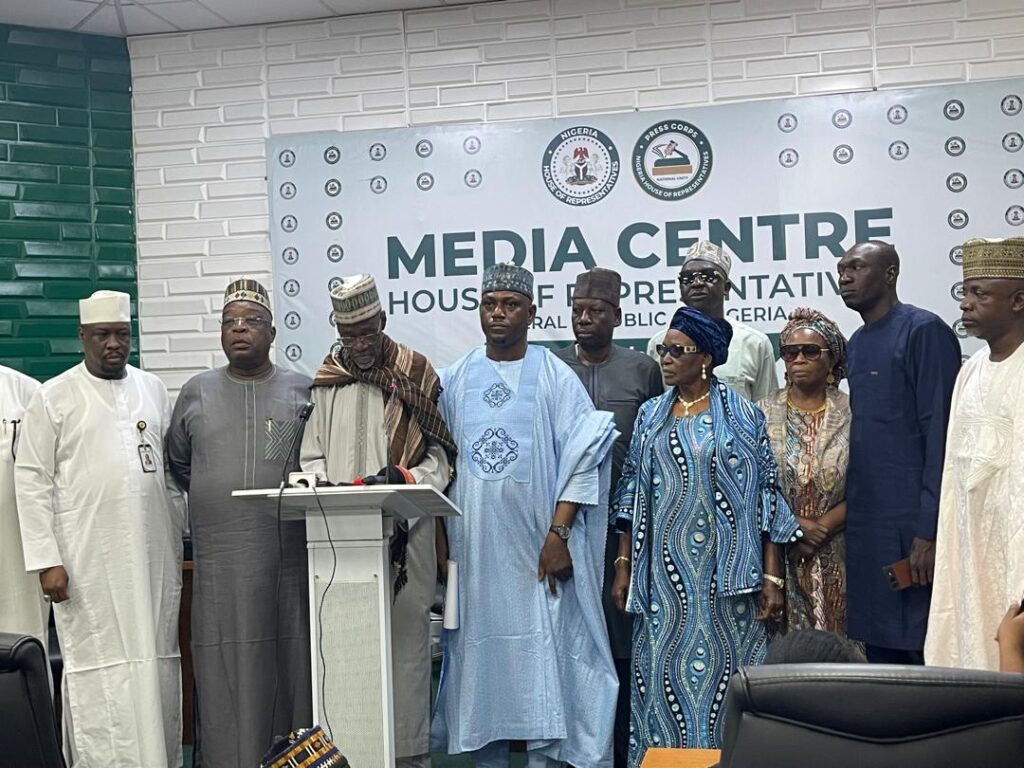
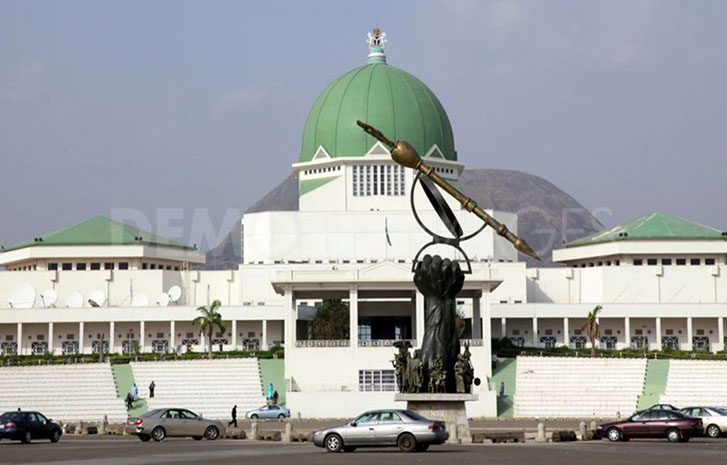
The figures were unveiled on Monday during a media briefing at the National Assembly ahead of the commencement of the House’s fourth legislative session on Tuesday.
Chairman of the House Committee on Rules and Business, Francis Waive, who presented the legislative scorecard, disclosed that 484 bills were introduced during the third legislative session alone. Of these, 31 were executive bills, 391 were private member bills, while 62 were concurrence bills transmitted from the Senate.
Waive said the House also passed 126 bills during the third session, referred 220 motions to committees—192 to standing committees and 28 to ad hoc committees—and adopted 48 public petitions after committee consideration.
He described the record as evidence of the House’s commitment to delivering impactful legislation.
“We are working, and this is our scorecard for this session,” he said.
Among the landmark legislations passed during the third session, Waive listed the 2026 Appropriation Act, the constitutional amendment bill on state police, and the Electoral Act 2026.
He added that major laws enacted since the inauguration of the 10th Assembly include the Student Loan (NELFUND) Act, the Minimum Wage Act, and other reforms aimed at improving the welfare of Nigerians.
Addressing allegations that lawmakers pay to have bills listed for legislative consideration, Waive dismissed the claims, insisting that legislative sponsorship is driven by consultations, advocacy and consensus-building rather than financial inducement.
“I have been here for quite some time, from the last Assembly until today, and I have never encountered such a practice,” he stated.
On the proposed creation of state police, Waive clarified that the constitutional amendment enabling state police is separate from amendments to the Police Act, which would provide the legal and operational framework once constitutional approval is secured.
He said the House would consider the Senate’s version of the legislation during the fourth legislative session as part of the concurrence process.
Earlier, House Spokesman Akin Rotimi Jr. said the briefing was part of the House’s commitment to transparency and accountability ahead of the National Assembly Open Week scheduled for next week.
According to him, while the briefing focused on legislative output, a comprehensive performance report covering committee activities and implementation of the House’s legislative agenda would be presented during the Open Week.
Rotimi said several bills passed by the House had already produced measurable results, citing the student loan scheme under NELFUND as an example.
He revealed that more than 1.6 million Nigerians have benefited from the programme, with over ₦303 billion disbursed to eligible students.
The spokesman also commended the Public Accounts Committee for recording what he described as unprecedented recoveries of public funds, disclosing that the committee had recovered over $61.5 billion in unremitted oil revenues and more than ₦520 billion in outstanding Value Added Tax (VAT) obligations as of the end of 2025.
Rotimi assured Nigerians that the House would prioritise key constitutional amendment bills during its fourth session, including proposals on independent candidacy, single-day elections and broader electoral reforms.
“The total number of bills introduced and passed by this Assembly is the highest since 1999. We still have more work to do, but we have covered significant ground in advancing legislation that impacts the lives of Nigerians,” he said.