By Oluwakemi Kindness
The House of Representatives has advanced a bill seeking to establish the Nutritionists Registration Council of Nigeria (NRCN).
A move aimed at regulating nutrition practice, eliminating quackery and strengthening Nigeria’s response to malnutrition and food insecurity.
The bill, which passed second reading during Thursday’s plenary, is expected to provide a legal framework for the regulation, standardisation and professionalisation of nutrition practice across the country.
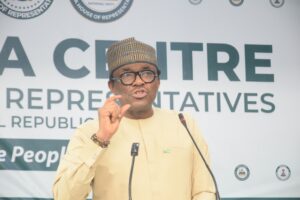
Chairman of the House Committee on Nutrition and Food Security, Chike Okafor, described the proposed legislation as a major step towards improving public health and safeguarding the nutrition profession.
According to him, the bill seeks to ensure that only qualified, competent and ethical nutrition professionals are licensed to practise in Nigeria.
“This bill is not merely a piece of legislation. It is a necessary legislative response to the ticking time bomb of malnutrition and food insecurity threatening the very fabric of our national development and the wellbeing of Nigerian citizens,” Okafor said.»
He noted that the absence of legal protection for the profession has created room for unqualified practitioners, undermining efforts to improve nutrition outcomes nationwide.
Okafor explained that the proposed council would complement the work of the existing Dietitians Council by focusing on public health nutrition, maternal and child nutrition, nutrition policy, research and community-based nutrition programmes, while dietitians continue to provide clinical nutrition services.

The proposed law will also empower the council to maintain a professional register, accredit training institutions, investigate cases of professional misconduct and collaborate with governments, academic institutions and international development partners.
The lawmaker argued that despite significant investments in nutrition programmes over the years, Nigeria continues to grapple with poor nutrition indicators due largely to the absence of a robust regulatory framework.
He added that the council would be financially self-sustaining through registration fees, membership dues, grants and strategic partnerships, assuring that its operations would not impose any financial burden on the government.
Okafor called on lawmakers to ensure the bill is passed before the expiration of the 10th National Assembly, describing it as a landmark reform that would strengthen Nigeria’s fight against malnutrition and food insecurity.