By Julian Osamoto
Health experts have called on Nigerian journalists to intensify public education on antimicrobial resistance (AMR), warning that the misuse of antibiotics is accelerating a silent public health crisis capable of making common infections increasingly difficult and sometimes impossible to treat.
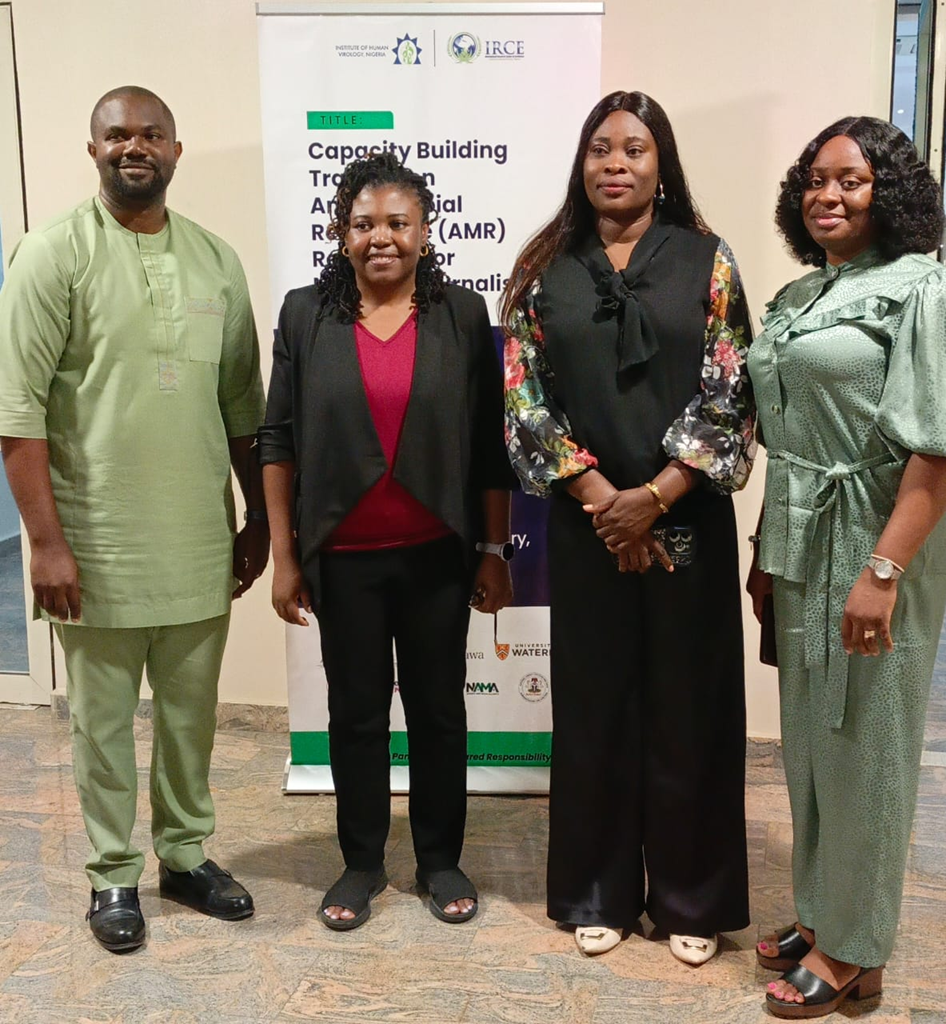
The call was made at the opening of a two-day antimicrobial resistance (AMR) reporting training organised by the Institute of Human Virology Nigeria (IHVN), in partnership with the Nigeria AMR Media Alliance (NAMA) under the Antimicrobial Stewardship Education Program (A-STEP).
Media as indispensable partner
Representing IHVN Chief Executive Officer, Dr. Patrick Dakum, the institute’s Senior Programme Manager, Research and Evaluation and Chair of the IHVN Ethics Committee, Dr. Nnakelu Eriobu, said the media remains indispensable in translating scientific evidence into practical information that can change public behaviour.
“You can have all the science, but if you don’t have journalists carrying the information and getting that dissemination out there, then the science is useless,” he said.
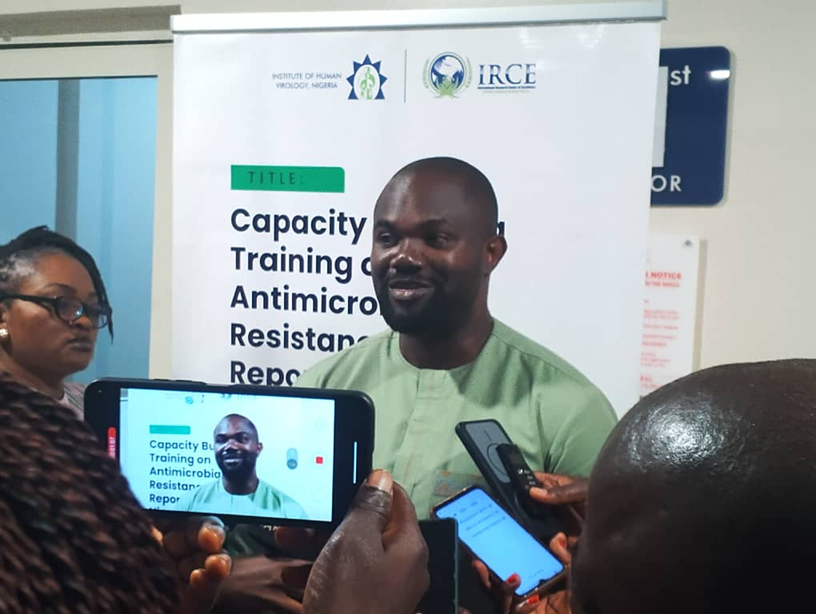
Eriobu said antimicrobial resistance occurs when medicines used to treat bacterial, viral, fungal or parasitic infections no longer work effectively, leaving patients with persistent illnesses despite taking medication.
AMR as a silent problem
He described AMR as a “silent problem” because many people continue taking medicines without realising that the drugs are no longer effective against the infection.
According to him, the consequences extend beyond health, Patients spend scarce resources on ineffective medicines, lose valuable work hours because of prolonged illness, and face increased risks of severe complications or death.
“Money has left the patient’s pocket, the person is not improving, and they are unable to work. It has economic, clinical and social consequences,” he said.
Eriobu stressed that antimicrobial resistance is not solely a pharmacy issue but a complex challenge requiring coordinated action across the health sector, agriculture and environmental management.
According to him doctors, pharmacists, patent medicine vendors, traditional birth attendants, livestock farmers, environmental health professionals and policymakers all have critical roles to play in slowing the spread of resistant infections.
He noted that, one of the biggest drivers of the problem, is inadequate public knowledge. “We are trusting and depending on journalists, who are closer to the common man, to communicate this science in a very simple way that can make real impact.”
Self-medication
Also speaking, Principal Investigator of the A-STEP Project, Dr. Charity Oga-Omenka, warned Nigerians against self-medication and the widespread practice of purchasing antibiotics without medical prescriptions.
She said inappropriate antibiotic use is accelerating antimicrobial resistance and reducing the effectiveness of medicines that once successfully treated common infections. “The public themselves need to realise that demanding antibiotics without prescription is actually harming them more than benefiting them.”
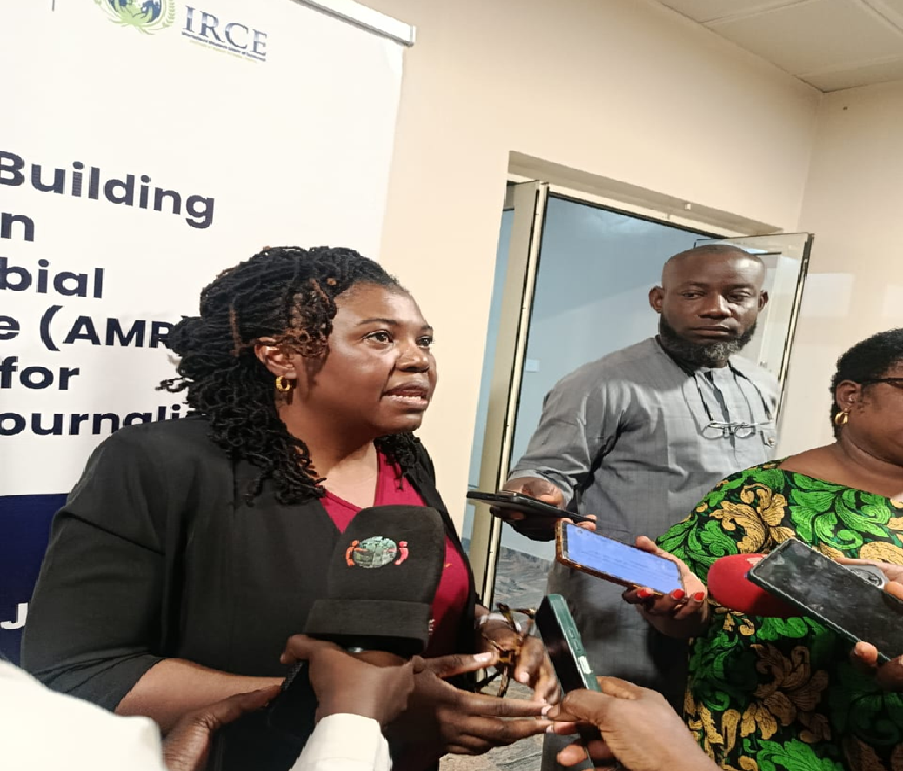
Oga-Omenka explained that antimicrobial resistance can only be confirmed through laboratory testing, which enables doctors to identify the specific organism causing an infection and determine which antibiotics remain effective.
Seek proper medical diagnosis
She urged Nigerians to seek proper medical diagnosis rather than assuming every fever is malaria or treating themselves based on previous experiences.
While acknowledging that the cost of laboratory tests and medical consultations discourages many people from seeking professional care, also maintained that accurate diagnosis remains the safest and most effective approach to treatment.
Responding to questions on traditional medicine, Oga-Omenka said herbal remedies may possess genuine medicinal value, but warned that many preparations are not standardised and often lack quality control.
She expressed concern that some herbal mixtures contain undisclosed pharmaceutical ingredients, including antibiotics, making them potentially dangerous.
According to her, proper regulation and scientific standardisation are essential before such products can be considered safe for widespread use.
Speaking earlier, Founding Chairperson of the Nigeria AMR Media Alliance (NAMA), Ojoma Akor, described antimicrobial resistance as a “silent pandemic” that threatens decades of progress in modern medicine.
She warned that if left unchecked, AMR could make routine surgeries, childbirth, cancer treatment and the management of infectious diseases significantly more dangerous.
Akor said the crisis remains largely underreported despite its growing impact on Nigeria’s health system. “As journalists, we are not merely observers of events; we are educators, agenda setters, advocates for accountability and trusted sources of information.”
She challenged journalists to move beyond covering official events and investigate the drivers of antimicrobial resistance in communities, hospitals, pharmacies, laboratories, farms and policymaking institutions.
One Health perspective
She said the Nigeria AMR Media Alliance was established to strengthen health journalism and equip reporters with the knowledge and skills needed to report antimicrobial resistance from a One Health perspective that recognises the interconnectedness of human, animal and environmental health.
Akor urged participants to use the training as a starting point for sustained, evidence-based reporting capable of shaping public understanding, influencing policy and promoting the responsible use of antibiotics.
“Together, we can ensure that antimicrobial resistance is no longer a silent crisis but a national priority that receives the attention, action and accountability it deserves.”
The training brought together journalists, scientists and public health experts to strengthen media capacity for accurate reporting on antimicrobial resistance and encourage responsible use of antimicrobial medicines across Nigeria.