By Anayo Akwitti
The Senate on Thursday declared an end to what it described as the persistent disregard of its constitutional oversight powers by Ministries, Departments and Agencies (MDAs) and Government-Owned Enterprises (GOEs), warning that any agency head who ignores its invitations henceforth will face sanctions in accordance with the Constitution and other extant laws.
The upper chamber reached the decision after an extensive debate triggered by the repeated refusal of several MDAs and GOEs to honour invitations issued by the Senate Committee on Finance led by Senator Sani Musa.
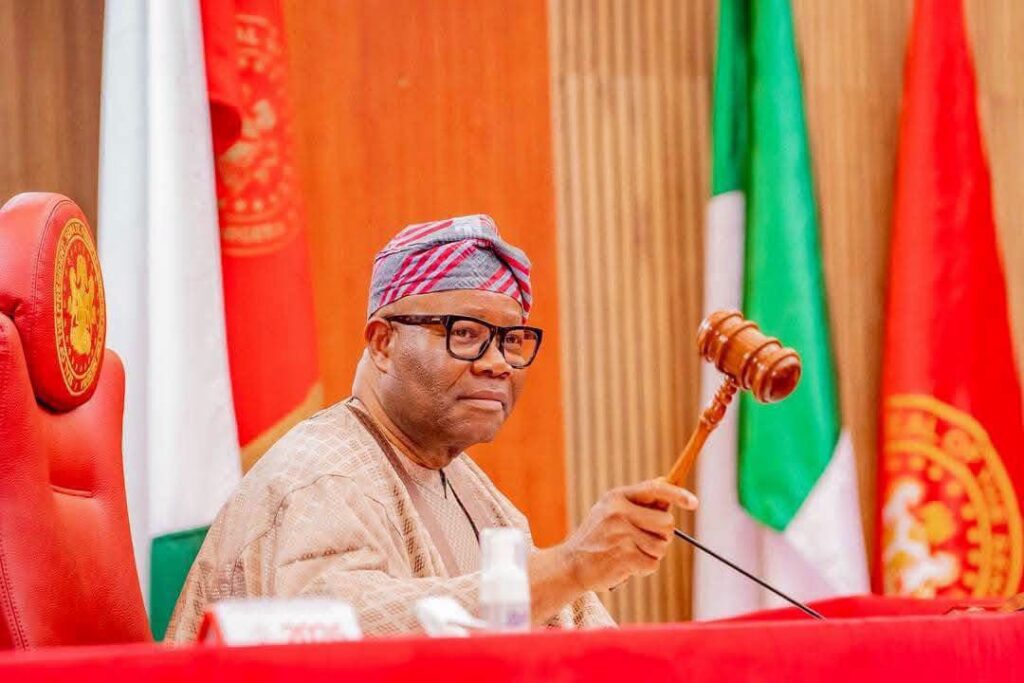
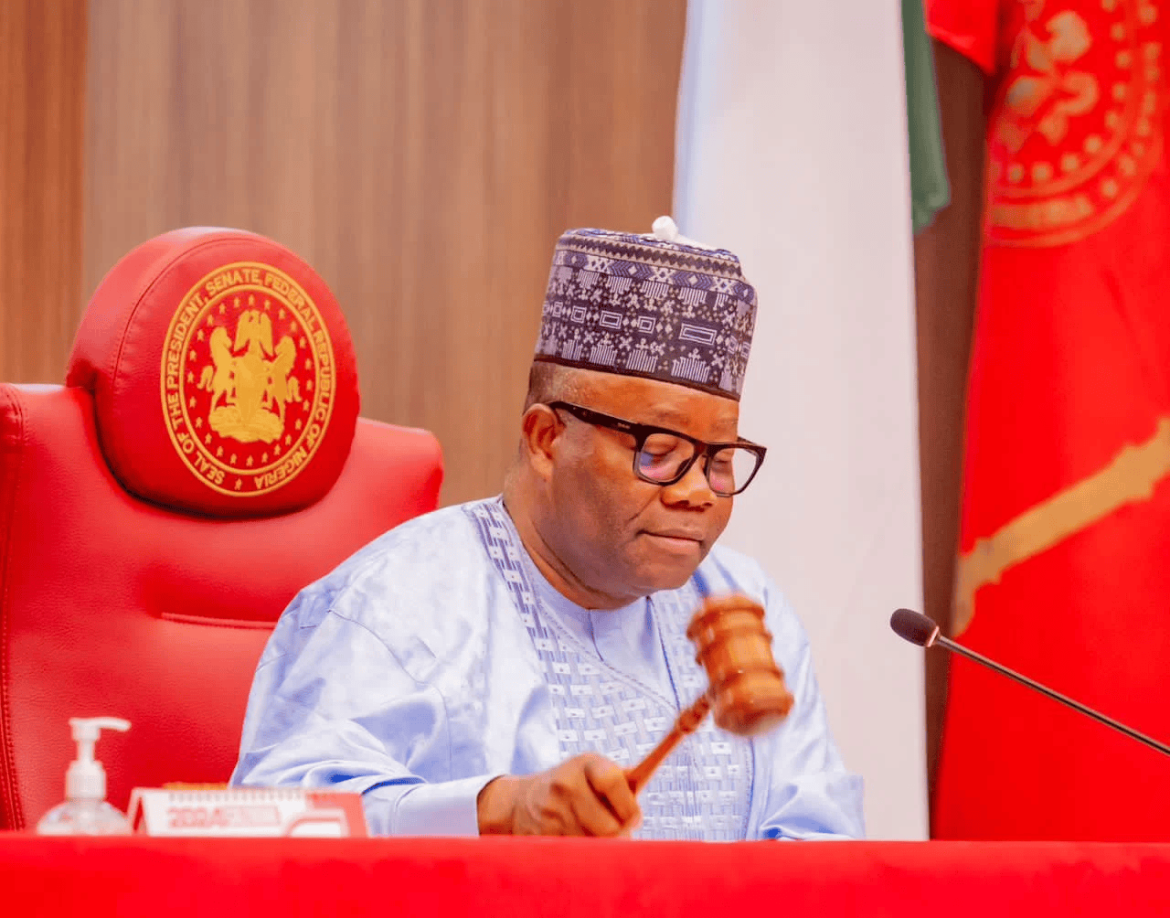
Presiding over plenary, the President of the Senate put five prayers contained in the motion to a voice vote, with lawmakers unanimously endorsing the resolutions.
The Senate consequently resolved that heads of MDAs and government agencies must comply with invitations from its committees or risk constitutional and legislative sanctions.
Leading the debate, Senator Abdul Ningi said the Senate could no longer continue pleading with government agencies to perform what he described as their constitutional obligation.
According to him, the persistent refusal by some agencies to appear before legislative committees amounts to a direct affront to the authority of the National Assembly and threatens the country’s democratic system.
“We must start by calling their attention that this is the last warning. Secondly, we will write to the President to inform him that this arm of government is not being respected. Thirdly, no budgetary allocation to any organisation that refuses to come,” Ningi declared.
Also contributing, Senator Adams Oshiomhole (Edo North) absolved President Bola Tinubu of any responsibility for the actions of the agencies, insisting that the blame rests squarely on the heads of the defaulting institutions.
He argued that many of the agencies had also failed to comply with provisions of the Fiscal Responsibility Act and relevant Treasury circulars, describing their conduct as detrimental to the nation’s economy.
“Mr. President should not be bothered about this matter. It is an indictment on the agencies that did not comply with the Fiscal Responsibility Act or Treasury circulars. I consider this an act of economic sabotage,” Oshiomhole said.
On his part, Senator Oji Uzor Kalu (Abia North) maintained that the Senate already possesses sufficient constitutional powers to compel attendance and should exercise them without seeking intervention from the Executive.
He stressed that oversight is exclusively the responsibility of the legislature and cited Sections 88 and 89 of the 1999 Constitution as empowering the Senate to enforce compliance.
“This is not the job of the President. Our job is to do oversight. Sections 88 and 89 are there. If they don’t come, we raise warrant,” Kalu said.
The former Abia State governor noted that the Minister of Finance and the Governor of the Central Bank of Nigeria had demonstrated respect for the National Assembly by honouring previous invitations promptly.
Providing the constitutional basis for the Senate’s position, Senator Halilu Ahmed (Nasarawa West) reminded lawmakers that the Constitution expressly empowers the National Assembly to compel attendance through the issuance of warrants.
“The power of the Senate to issue a warrant to compel attendance is fairly spelt out in the Constitution under Section 89(1)(d). The Clerk should write to all those MDAs, failing which the Senate should invoke its constitutional powers,” he said.
However, some lawmakers urged restraint in the exercise of those powers, advising that while the Senate should insist on compliance, it must continue to observe due process and civility.
“We have the powers under the Constitution, but we should not speak to people without decorum. When they falter, then we make an example of them within the Constitution and our Standing Orders,” the lawmakers cautioned.
At the end of deliberations, the Senate President, Godswill Akpabio approved a series of far-reaching resolutions aimed at strengthening legislative oversight.
It called on the Secretary to the Government of the Federation (SGF), the Head of the Civil Service of the Federation and all ministers to direct agencies under their supervision to comply promptly with invitations from the National Assembly.
Lawmakers further resolved that any agency or institution that deliberately refuses to honour Senate invitations or obstructs legislative oversight would henceforth be sanctioned under the provisions of the 1999 Constitution, the Legislative Houses (Powers and Privileges) Act, the Fiscal Responsibility Act and the Senate Standing Orders.
A proposal seeking to compel the President of the Senate to immediately issue bench warrants against defaulting agency heads was however withdrawn following procedural objections raised during debate. Another prayer contained in the original motion was equally expunged before the final adoption.
Meanwhile, the Senate also passed a separate motion sponsored by Senator Muhammad Adamu Aliero directing all Ministries, Departments and Agencies to regularly submit their audited financial statements to relevant Senate committees in line with Section 85(2) of the Constitution.
According to Aliero, timely submission of audited accounts is indispensable to effective legislative oversight and accountability in the management of public resources.
“We cannot do oversight without seeing the books,” the senator stated.
The resolutions signal a tougher stance by the Senate as it seeks to reinforce its constitutional oversight responsibilities and ensure greater accountability across government institutions.
They also underscore lawmakers’ determination to compel compliance with legislative directives and strengthen transparency in public administration.