By Anayo Akwitti
The National Assembly hosts more than 14,000 personnel daily, excluding federal lawmakers and visitors, the Clerk to the National Assembly (CNA), Kamoru Ogunlana says.
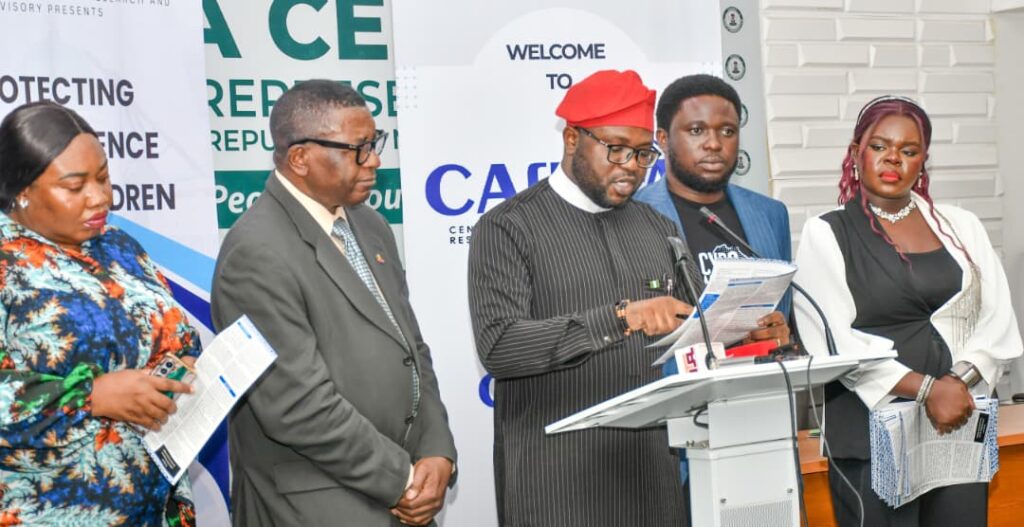
Ogunlana made the disclosure on Tuesday while speaking at the final phase of the Capacity-Building Training for Legislative Aides in the 10th National Assembly.
According to him, the workforce comprises career civil servants and legislative aides, while the 469 federal lawmakers and the large number of daily visitors further add to the administrative demands of the National Assembly.
He describe the Nigerian Parliament as one of the busiest legislative institutions in the world, noting that the volume of legislative and administrative activities places enormous responsibilities on the office of the Clerk.
Ogunlana also disclose that both chambers of the 10th National Assembly had passed about 3,500 bills within the last three years.
He said the Senate passed 1,500 bills, while the House of Representatives passed 2,000 bills within the period.
The CNA renewed his call for a special salary structure for legislative aides, describing them as a critical component of the legislative process and the engine room of effective lawmaking.
He specifically urged the National Assembly Service Commission (NASC) and the Revenue Mobilisation Allocation and Fiscal Commission (RMAFC) to address the issue and clarify their respective roles in determining the salaries and conditions of service of legislative aides.
Ogunlana noted that while NASC is responsible for the appointment and administration of legislative aides, their remuneration operates within a framework developed and approved with RMAFC and remains subject to approval by the National Assembly.
He also called for clarity on the status of legislative aides, particularly whether their appointments should be regarded as full-time or part-time, given that the positions are temporary and non-pensionable.
According to him, reforms in the legislative support system should focus not only on improving the welfare of aides but also on strengthening their capacity to effectively support lawmakers.
He stressed that the ultimate objective should be to build a professional legislative support service capable of attracting and retaining competent, ethical and highly skilled personnel.