By Mardiyyah Abubakar
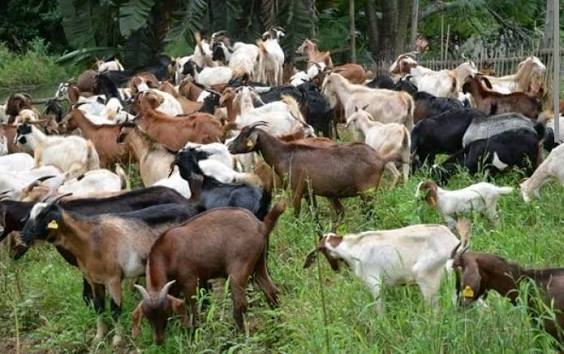
The Federal Government says it will soon end the slaughtering of livestock in uncontrolled environments across Nigeria as part of efforts to modernise the red meat industry and position the country for export.
The Minister of Livestock Development, Idi Mukhtar Maiha, disclosed this on Thursday in Kaduna at the launch of Olam Agri’s TruValue Cattle Feed.
Maiha said the government had commenced the development of modern abattoirs and would require animals meant for the market to pass through feedlots and meet prescribed standards before slaughter.
“We are going to sustain the tempo to ensure that in the not too distant future, we will stop trading in live animals, and every slaughtered animal in this country must be done under the controlled environment of a modern abattoir,” he said.
According to the minister, groundbreaking ceremonies had been held for two abattoirs and a mini abattoir in the Offa axis, while another facility under construction in Abuja would have the capacity to process 1,000 bulls and 3,000 small ruminants daily.
Maiha said feedlots, modern abattoirs, meat processing plants and cold-chain infrastructure would help Nigeria produce quality and traceable meat for domestic consumption and export.
He also identified inadequate feed supply as a major challenge to livestock productivity, linking it to conflicts between farmers and herders. He said year-round access to quality feed would improve animal productivity and profitability.
The minister disclosed that Nigeria had potential buyers for its red meat in the Gulf, the Middle East and Egypt, but stressed the need to improve production and quality standards to take advantage of the market.
Maiha said the National Livestock Growth Acceleration Strategy aims to increase the livestock sector’s contribution from $32 billion to $74 billion within 10 years. He added that the forthcoming N-LEAP programme would bring producers, financiers, insurers, breeders, aggregators and marketers into one ecosystem.
Earlier, Olam Agri Vice President, Agriculture, Sameer Wadhera, said Nigeria would require 115 per cent more beef and 575 per cent more milk by 2050 to meet the needs of its projected population of nearly 400 million. He said increased livestock productivity was essential to reduce reliance on imports.