By Sofiat Adenekan-Abdul
The Director-General of the National Institute for Legislative and Democratic Studies (NILDS), Prof. Abubakar Sulaiman, has stressed the importance of empowering the girl child through education, equal opportunities and greater participation in public affairs to strengthen Nigeria’s democratic development.
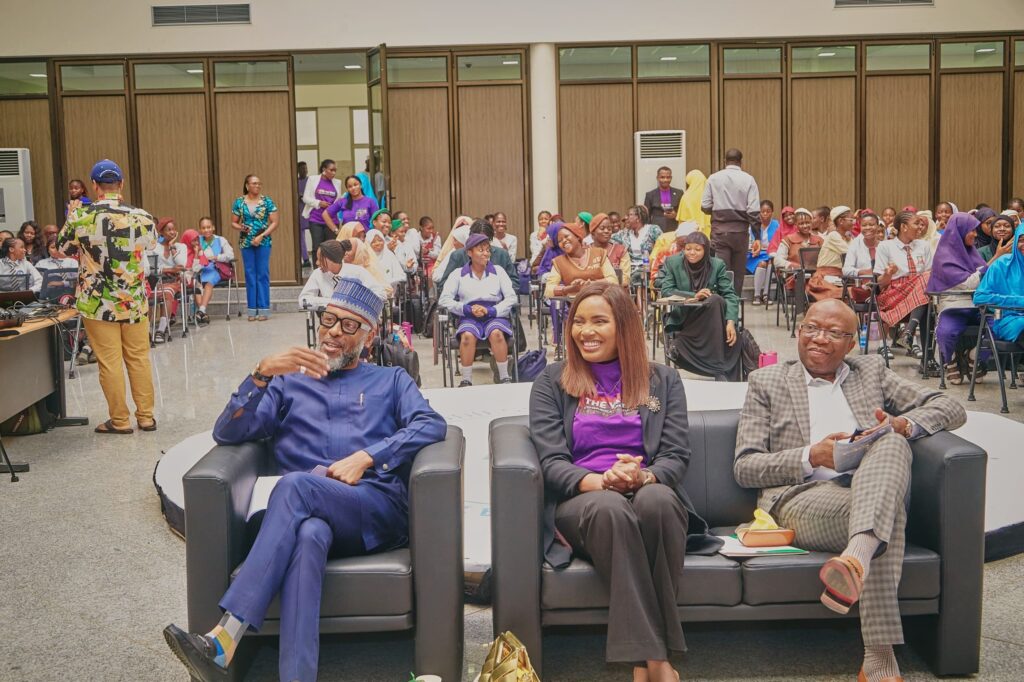
Sulaiman made the call in Abuja on Monday during the NILDS-European Union (EU) Inter-Secondary School Debate organised to commemorate the International Day of the Girl Child.
He was represented at the event by the Acting Director, Department of Legislative Support Services, Prof. Amuda Kannike (SAN).
The NILDS Director-General said women bring valuable perspectives to governance and should be provided with more opportunities to participate in decisions that affect society.
He also called for stronger legislation to protect and advance the rights of women and girls, stressing that their progress should not depend solely on individual discretion.
According to him, recommendations emerging from the debate will be forwarded to relevant committees of the Senate and House of Representatives, allowing the students’ contributions to feed into legislative discussions on issues affecting the girl child.
The EU Policy Officer, Amira Haid, said the partnership with NILDS reflects the European Union’s commitment to empowering girls and addressing inequalities affecting them globally.
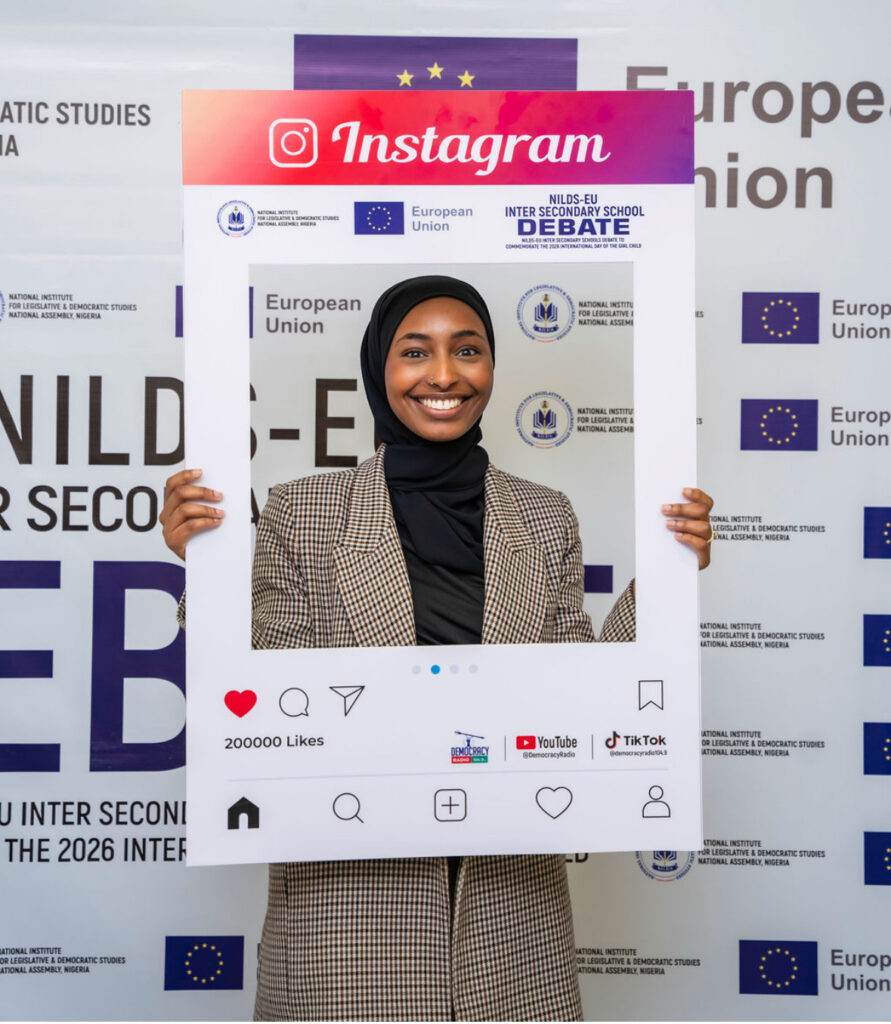
Haid noted that although progress has been made in girls’ education, significant challenges remain in areas such as healthcare and gender equality.
Also speaking, a Senior Research Fellow at NILDS, Dr Doris Heron, commended the students for demonstrating a strong understanding of issues affecting the girl child.
She said the participants effectively cited constitutional provisions, international treaties and other legal instruments during the debate.
Heron disclosed that the maiden edition of the competition would be developed into a broader annual programme, with NILDS seeking increased participation and sustained partnerships with the EU and other stakeholders.
One of the debate facilitators and an English teacher at Government Day Secondary School, Mbagwu Anthony, called for increased recruitment of teachers and improved security in schools to provide a safer learning environment for girls.
Anthony also advocated greater encouragement for male teachers to remain in the profession, noting that both male and female teachers can play important roles in supporting girls and addressing challenges affecting their education and welfare.
The debate featured 12 secondary schools from across the Federal Capital Territory, with six schools progressing to the next stage scheduled for October 5, while the grand finale is expected to hold on October 12.
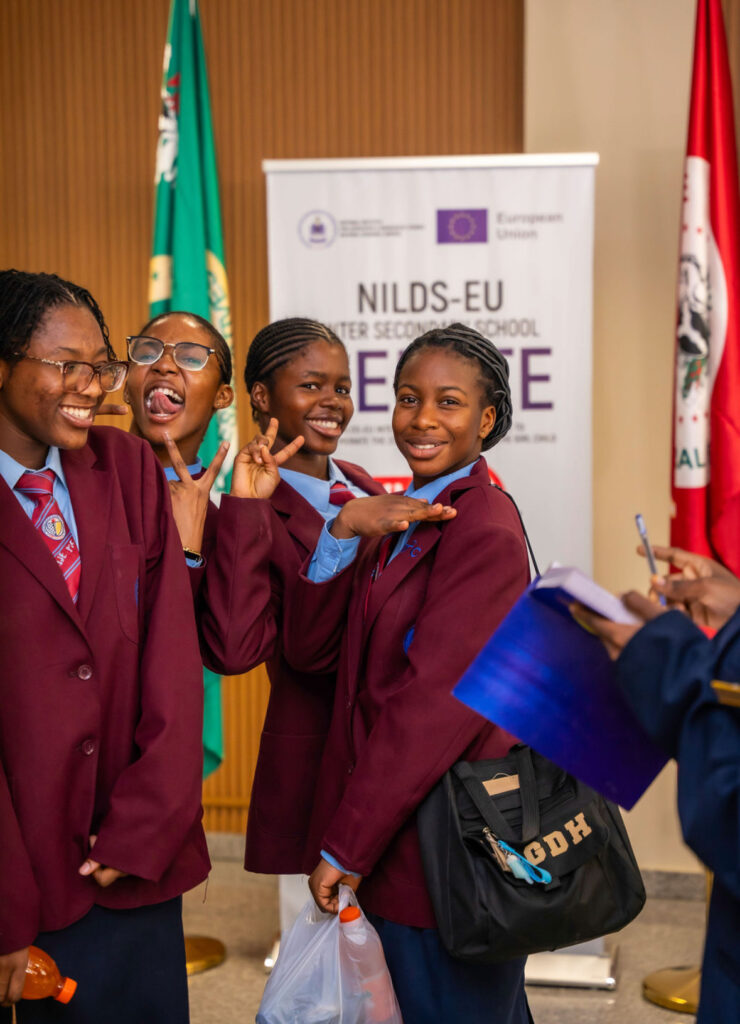
Discussions during the debate focused on girl-child empowerment, child marriage, female circumcision and gender stereotypes, giving the students an opportunity to engage directly with issues affecting their rights, education and development.
Edited by Nonso Arinzechi, Julian Osamoto