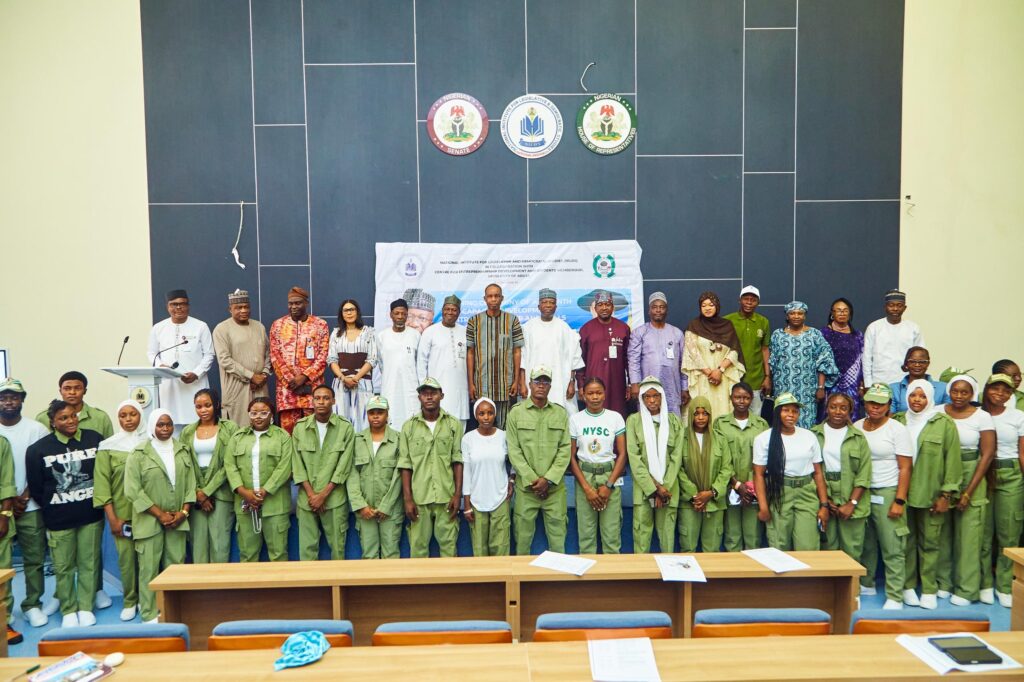
By Sofiat Adenekan-Abdul
The National Institute for Legislative and Democratic Studies, NILDS, has urged young women to prepare for leadership by developing the confidence, skills and sense of responsibility needed to contribute to Nigeria’s democratic development.
The Director-General of NILDS, Professor Abubakar Sulaiman, gave the charge at the Vision 2035 AI-ATHON 2.0 Digital Leadership Workshop and Speech Contest for Female Prefects in Secondary Schools, organised in collaboration with the Young Communicators Initiative.
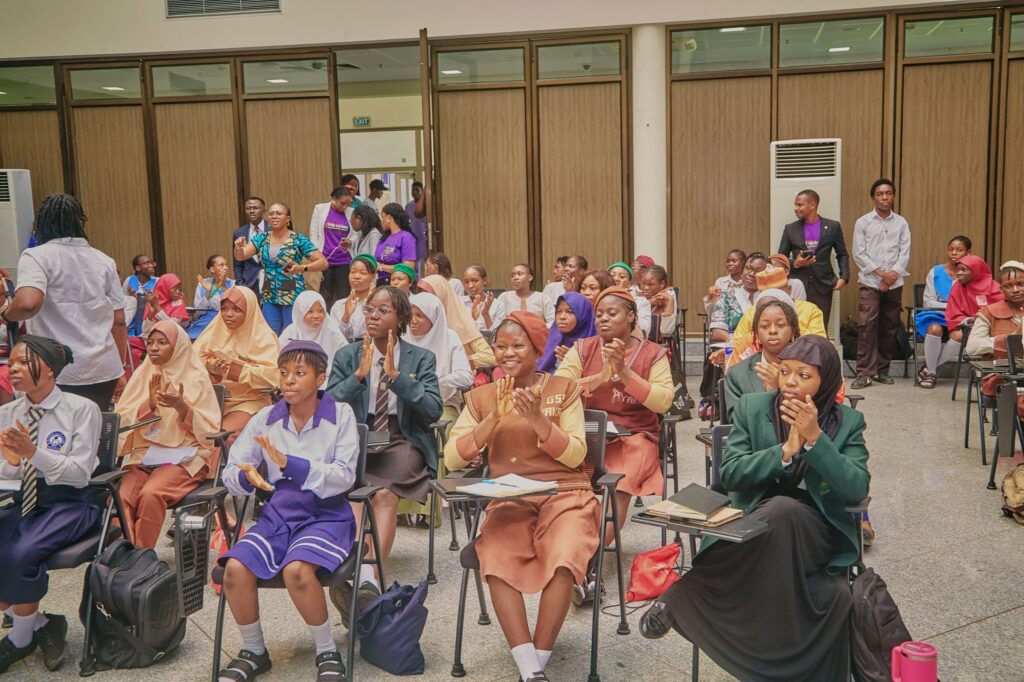
Professor Sulaiman said young people have an important role to play in sustaining democracy and should be equipped with the knowledge, skills and opportunities required to participate meaningfully in democratic institutions and national development.
He stressed the need for institutions and government to create opportunities that enable young Nigerians to acquire relevant skills, participate in leadership and contribute to solving societal challenges.
The programme’s initiator, Chinenye Anaemena, said leadership development should begin early, urging stakeholders to move beyond encouraging girls to participate in society to preparing them for meaningful representation and leadership.
Anaemena stressed that young girls should not allow fear or perceptions about the relevance of their voices to limit their participation, urging them to develop the confidence to speak up, represent others and take responsibility for their decisions.
Representing the Managing Director of the News Agency of Nigeria, NAN, the Director of Special Duties, Ismail Abdulazeez, warned that digital media could either strengthen leadership or become a weapon for spreading misinformation, cyberbullying and toxic narratives.
Abdulazeez said young people now have unprecedented power through smartphones and social media, where a single post can reach a global audience within seconds. He urged them to recognise that such influence comes with responsibility.
He said generative artificial intelligence and deepfakes had made it easier to fabricate false information and damage reputations, particularly creating risks for young women seeking to participate in public leadership.
Abdulazeez urged the students to practise critical thinking by verifying information before sharing it, cultivate digital empathy by considering the impact of their online interactions and remain authentic rather than allowing online pressure to dictate their behaviour.
Representing the Vice-Chancellor of Baze University, Yusuf Bako of the Department of International Relations, urged the students to learn from previous generations while rejecting discrimination, intolerance, corruption and inequality.
He also encouraged the students to use technology and artificial intelligence responsibly, stressing that digital tools should complement rather than replace critical thinking, sound judgement and human values.
One of the participants, Victoria Ochogwu of Bankis Private School, Wamba District, said the programme broadened her understanding of leadership and taught her the importance of listening to others while guiding them towards responsible decisions.