By Julian Osamoto
Financial hardship and marital conflicts are among the concerns raised by women in Kaida Tsoho community over their health, family stability and economic well-being.
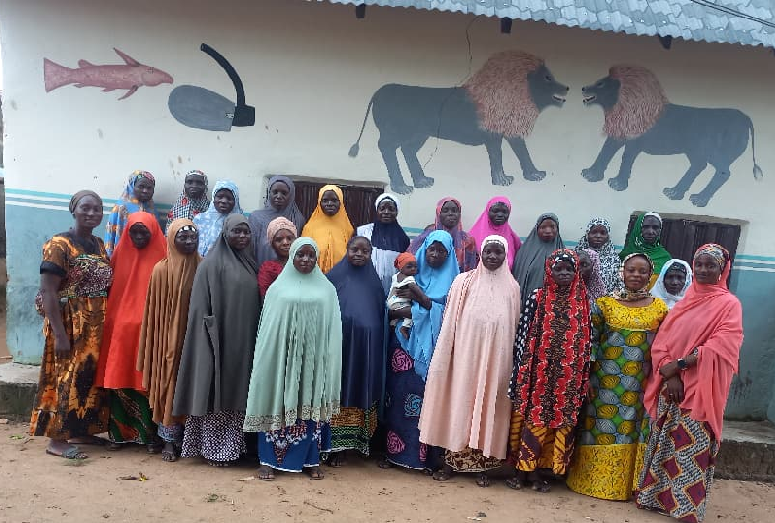
The concerns emerged during a three-day women’s peer education training organised by the Centre for Information Technology and Development (CITAD), with support from ActionAid Nigeria.
Speaking during the program in Abuja, CITAD Programme Officer, Yesmin Salako, said the training aimed to equip 30 women in the community with practical knowledge to make informed decisions about their health, livelihoods and family relationships.
During the discussions, participants highlighted the emotional impact of persistent marital disagreements, separation and divorce on children, particularly when family breakdown disrupts their care and stability.
A participant, Adamu Aisha, called for guidance on resolving marital disputes, warning that frequent quarrels between parents could affect children’s emotional well-being.
The women also discussed how financial hardship could expose some women to sexual exploitation and sexually transmitted infections, including HIV.
Another participant, Hussiena Bashir, said some women might engage in transactional sex to obtain financial assistance when their husbands could not meet household needs, potentially exposing them to health risks.
Participants also examined the dangers of sharing contaminated sharp objects and medical equipment, including razor blades and injection needles, which can transmit infections.
Speaking on behalf of the women, Patience Ezi thanked the organisers for the training, highlighting the session on marital relationships as particularly helpful. She said involving men could improve their understanding of women’s challenges, strengthen communication and encourage support beyond financial provision.
The Local Rights Programme Advisor for ActionAid Nigeria, Hajara Adamu said the organisation is providing technical support and capacity-building to help women improve their livelihoods, understand their rights and participate in decision-making.
She explained that participants would be linked to existing community structures, including women’s groups and Village Savings and Loan Associations, to sustain peer learning and mutual support after the training.
Adamu said participants would also be encouraged to share the knowledge gained with other women in the community.
She identified limited economic opportunities, inadequate access to livelihood skills, resources, low participation in household and community decision-making, as well as weak support networks as challenges the initiative seeks to address.