By Oluwakemi Kindness
Speaker of the House of Representatives, Abbas Tajudeen, has pledged that the National Assembly will repeal obsolete laws that hinder businesses, as part of renewed efforts to improve Nigeria’s investment climate and drive economic growth.
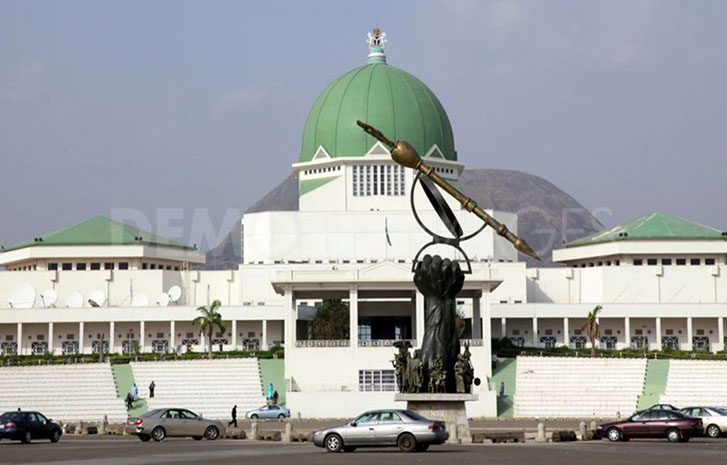
Speaking on Thursday at the Legislative Business Breakfast Meeting held at the National Assembly during the 2026 National Assembly Open Week, Abbas said lawmakers were committed to creating a more predictable business environment that supports enterprise, attracts investment and enhances Nigeria’s global competitiveness.
The meeting, themed “The Business of Growth: Legislative Priorities for Investment, Competitiveness and Economic Transformation,” brought together lawmakers, government officials and private sector leaders to discuss legislative measures needed to unlock economic growth.
The Speaker outlined five key priorities for the House of Representatives, including improving regulatory certainty, harmonising taxes and levies, expanding access to finance for businesses, strengthening oversight of economic reforms and removing outdated laws that impede enterprise.
“On competitiveness, we will repeal the obsolete laws that frustrate enterprise, and legislate to support local manufacturing, agriculture and our readiness for the continental market,” Abbas said.
He also pledged that laws affecting businesses would be transparent, stable and developed through broad consultations with stakeholders to boost investor confidence.
Acknowledging the challenges confronting businesses, Abbas cited high borrowing costs, foreign exchange volatility, unreliable electricity, multiple taxation, port bottlenecks and insecurity as major obstacles to economic growth.
“These are not idle complaints. They are the honest testimony of the men and women who create our jobs, and this House has heard them,” he said.
While noting that President Bola Ahmed Tinubu’s reforms—including fuel subsidy removal, exchange rate liberalisation and tax reforms—were designed to strengthen the economy, the Speaker admitted that the measures had imposed short-term hardships on Nigerians.
He stressed that the success of the reforms must ultimately be reflected in improved living standards, stronger businesses and increased employment opportunities.
Abbas highlighted legislative interventions already undertaken by the National Assembly, including the Electricity Act, the Investments and Securities Act and recently enacted tax reform laws, describing them as critical foundations for sustainable economic transformation.
To deepen engagement with the private sector, he announced plans to establish the National Assembly and Business Executive Roundtable (NABER), a permanent platform for dialogue between lawmakers and organised businesses.
He also urged the private sector to actively participate in the legislative process by providing evidence-based recommendations, attending public hearings and identifying laws requiring amendment.
Minister of Industry, Trade and Investment, Jumoke Oduwole, alongside other stakeholders at the meeting, called for stronger legislative backing to enhance Nigeria’s investment climate, improve competitiveness and accelerate economic transformation.