By Oluwakemi Kindness
The Central Bank of Nigeria (CBN) on Monday told the House of Representatives Ad-hoc Committee investigating the Presidential Foreign Intervention/Investment Promotion Council (PFIPC) that two domiciliary accounts opened for the council in 2025 were never activated, funded or used for any financial transaction.
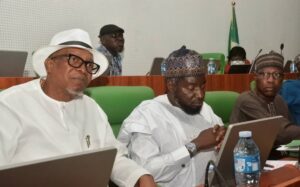
The disclosure was made by the CBN’s Director of Banking Services, Hamisu Abdullahi, who represented the CBN governor, Olayemi Cardoso, during the committee’s ongoing probe in Abuja into the activities of the PFIPC.
Abdullahi explained that the accounts, a United States dollar domiciliary account and a British pound domiciliary account, were opened on July 30, 2025, following a formal directive from the Office of the Accountant-General of the Federation dated July 29, 2025.
He said the accounts were created for the Presidential Economic Advisory Council/Presidential Foreign Intervention/Investment Promotion Council in line with the Treasury Single Account (TSA) framework, which requires the CBN to act only on instructions from the Accountant-General’s Office when opening, closing or modifying government accounts.
According to him, the accounts never became operational because the CBN did not receive the required signature cards, authorised signatory details and Know Your Customer (KYC) documentation needed to activate them.
“As a result, the accounts remained inactive with zero balance from inception and have never recorded any inflow, outflow or foreign exchange transaction,” Abdullahi told lawmakers.
He also clarified that the apex bank had no direct communication with the council regarding the accounts, noting that all correspondence relating to government accounts is handled through the Office of the Accountant-General.
Following the testimony, the House committee directed the CBN to submit, before Thursday, details of any accounts linked to the PFIPC and the Presidential Economic Advisory Council held in commercial banks through the banking industry’s customer account database.
The committee also requested records of financial transactions involving officials connected with the ongoing investigation as it intensifies efforts to unravel the activities of the controversial council.