By Oluwakemi Kindness
The Nigerian Airspace Management Agency (NAMA) has asked the National Assembly to increase its share of Nigeria’s five per cent Ticket Sales Charge from 22 per cent to 56 per cent, as the Airline Operators of Nigeria (AON) called for a wider overhaul of the aviation funding system.
Other stakeholders, including the African Aviation and Aerospace University (AAAU), Nigerian Safety Investigation Bureau (NSIB), Nigerian Civil Aviation Authority (NCAA) and Nigerian Meteorological Agency (NiMet), also made submissions on the proposed funding framework.
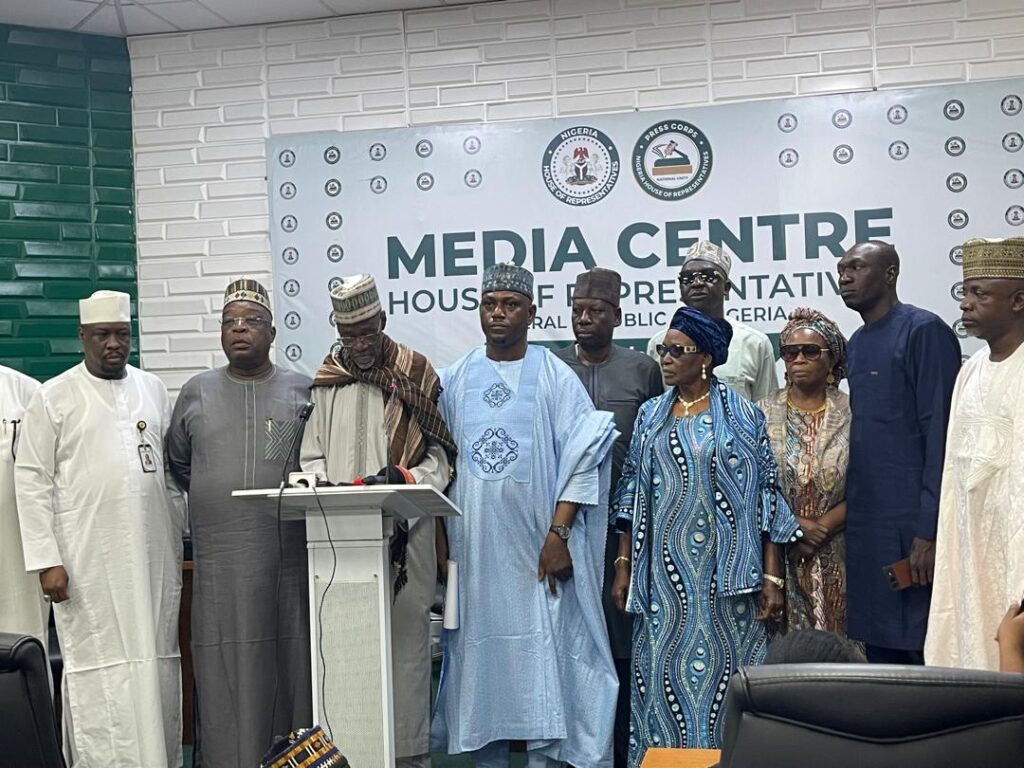
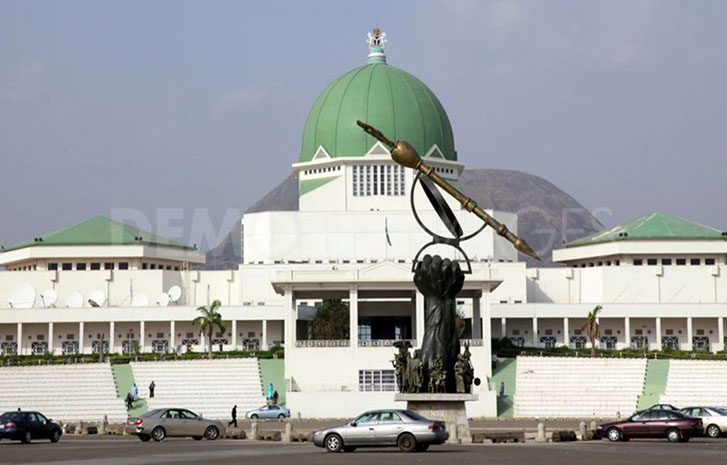
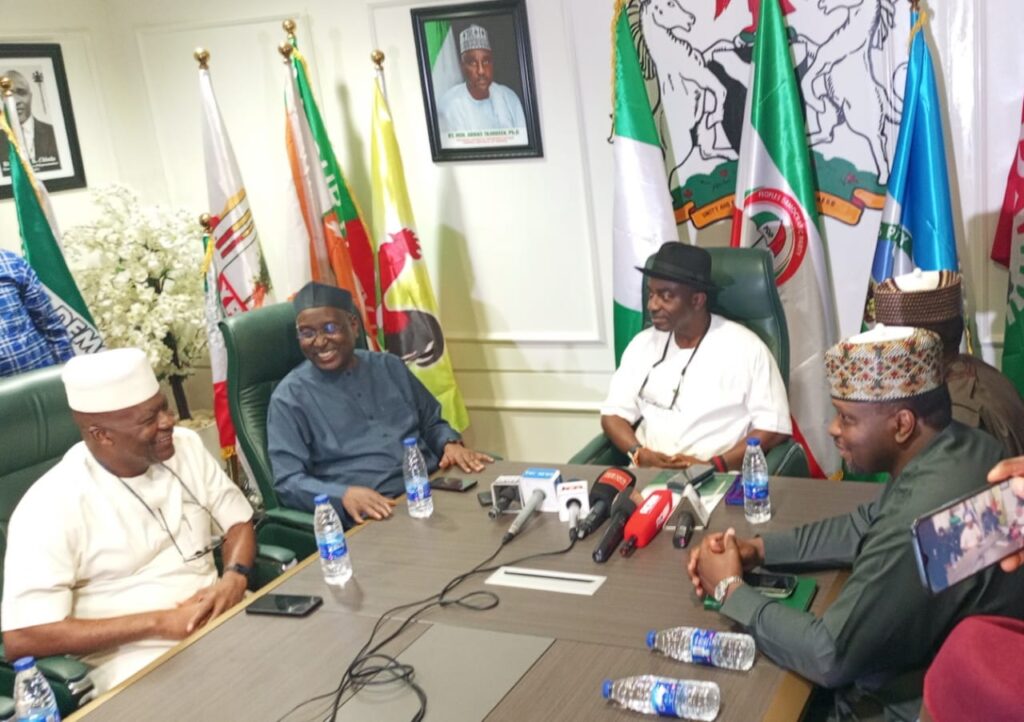
The demands were made on Thursday at a public hearing by the House of Representatives Committee on Aviation on proposed amendments to aviation laws and the revenue-sharing formula.
NAMA seeks 56% allocation
NAMA Managing Director/Chief Executive, Engineer Farouk Ahmed-Umar, said the agency’s current 22 per cent allocation was inadequate to maintain critical air navigation infrastructure and ensure safe aircraft movement.
He explained that every ₦1,000 qualifying ticket, charter or cargo sale generates ₦50 from the five per cent charge, of which NAMA currently receives ₦11. Under the proposed formula, it would receive ₦28.
Umar said NAMA’s 2023 personnel, capital and overhead expenditure exceeded ₦43 billion, while its navigation charge of as little as ₦11,000 per flight had remained unchanged since June 2008.
He also cited the ageing Total Radar Coverage of Nigeria system, saying it requires planned renewal to prevent infrastructure failure.
AON backs NAMA, seeks wider reform
AON representative, Captain Roland Iyayi, supported increased funding for NAMA but said changing the percentages alone would not solve the industry’s problems.
“The five per cent service charge has outlived its usefulness,” Iyayi said, proposing a unit-charge model instead of the existing percentage-based system.
He also called for an Aviation Development Fund into which aviation revenues would accrue before being distributed under a transparent framework.
AON further urged lawmakers to transfer obstacle assessment revenues collected by the NCAA to NAMA, arguing that NAMA performs the technical work involved.
AAAU seeks 10%
The African Aviation and Aerospace University, Abuja, asked to become a statutory beneficiary of the five per cent charge, seeking at least 10 per cent for aviation manpower development, research and innovation.
The university’s Acting Vice Chancellor, Mustapha Abdulahi, said dedicated funding would strengthen aviation laboratories, reduce dependence on foreign training and produce professionals for agencies, airlines and other industry operators.
NSIB rejects funding cut
The NSIB rejected a proposed reduction of its allocation from six per cent to four per cent.
Its Director of Legal Services and Company Secretary, Esosa Eremwanarue, said the proposed cut was unjustified, warning that reduced funding could affect the bureau’s ability to conduct timely and independent accident investigations.
“Transportation safety is the foundation upon which aviation growth, investment, and public confidence rest,” NSIB said, urging lawmakers to retain or increase its allocation.
The NCAA and NiMet were also among the aviation stakeholders that made submissions on the proposed review, alongside other agencies, operators, unions and professional bodies.
Committee promises objective review
Chairman of the House Committee on Aviation, Rep. Abdullahi Idris-Garba, assured stakeholders that the committee would carefully and objectively consider the submissions.
He said the proposed bills were aimed at strengthening the financial and institutional framework of the aviation industry, with implications for “safety, transparency and service delivery.”
The hearing has opened a broader debate over whether Nigeria’s existing five per cent aviation charge remains fit for purpose and how revenues should be distributed across the sector.
The committee is expected to consider the competing submissions as it works on amendments to the aviation laws and the statutory revenue-sharing framework.