By Chinedu Echianu
The Nigeria Labour Congress (NLC) and the Economic and Financial Crimes Commission (EFCC) have agreed on the need to strengthen collaboration in the fight against corruption, illicit financial flows and kleptocracy in Nigeria.
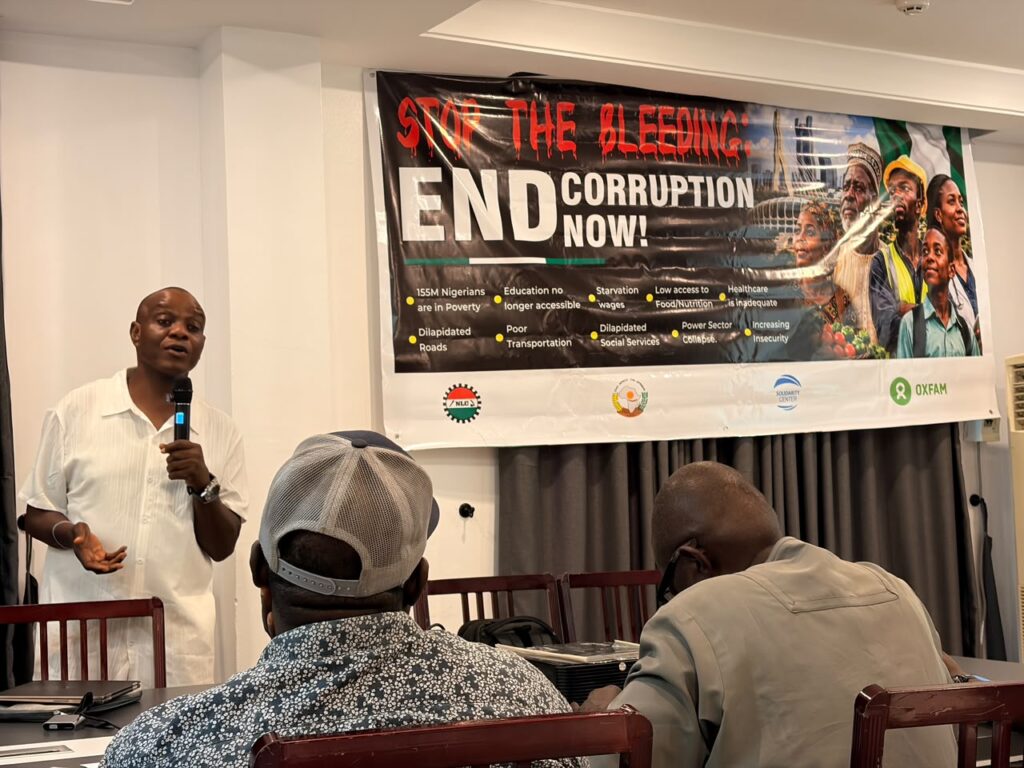
The agreement was reached when a coalition of the NLC on whistleblower protection, civic space and anti-kleptocracy accountability in Nigeria visited the EFCC headquarters in Abuja as part of its advocacy campaign for stronger whistleblower protection, greater accountability and more effective measures to curb illicit financial flows in Nigeria.
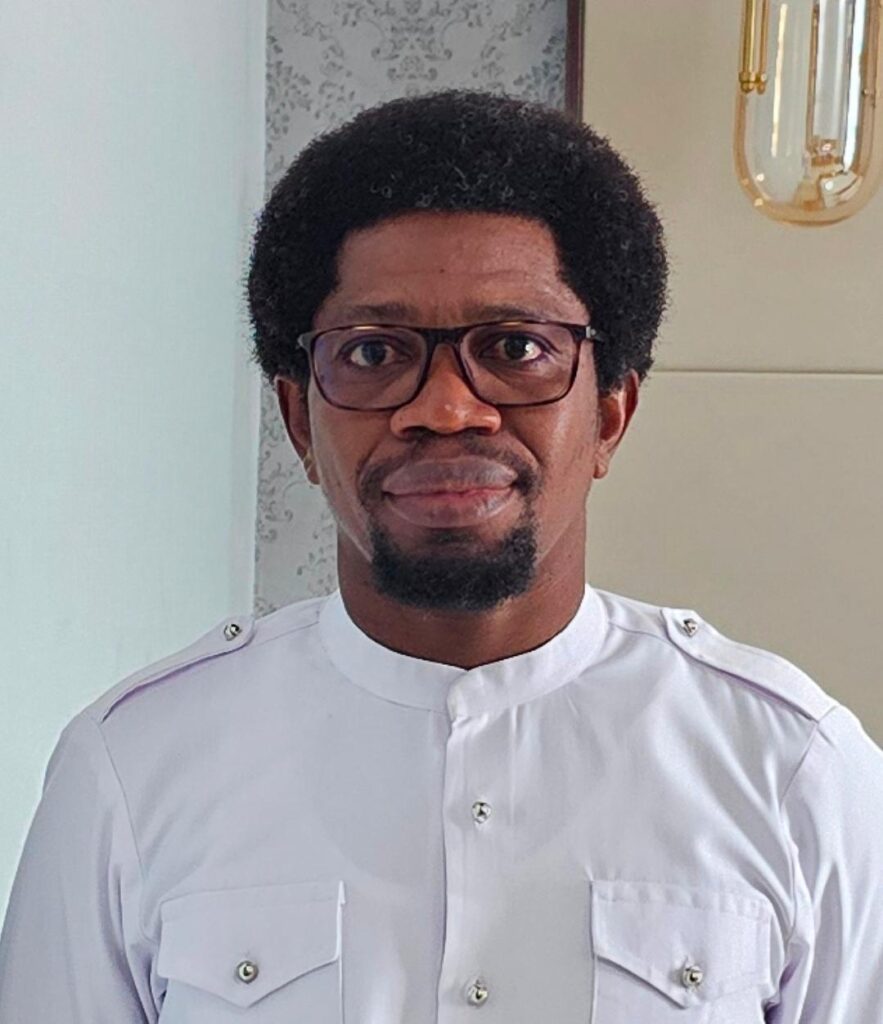
Speaking during the visit, General Secretary of the International Trade Union Confederation-Africa (ITUC-Africa), Joel Odigie, said Africa’s underdevelopment was not due to a lack of resources or manpower but largely the result of poor management of the continent’s wealth.
Odigie said massive inequality and poverty across Africa were being worsened by illicit financial flows, tax evasion and the diversion of public resources by corrupt political elites.
He cited the Mbeki Panel Report of 2005, which identified tax avoidance and evasion by large businesses as major contributors to illicit financial flows, noting that the annual loss at the time was estimated at about $60 billion.
According to him, the volume of illicit financial flows has since risen to trillions of dollars annually.
Odigie said resources that could have been deployed to create jobs, improve public education and reduce poverty were being illegally transferred out of Africa.
He said organised labour was leading efforts to stop the transfer of stolen public funds abroad and ensure that illicitly acquired resources were recovered and returned to their countries of origin.
He noted that uncontrolled illicit financial flows had serious consequences for workers, including poor wages, inadequate public schools and weak human capital development.
Odigie also criticised Nigeria’s increasing reliance on private education, arguing that no developed country had achieved significant progress by depending primarily on private schools.
He alleged that four Billionaires control about half of Africa’s wealth while contributing comparatively little through taxation to the economies from which they derive their wealth.
The ITUC-Africa official called for an enduring partnership between the NLC and the EFCC, stressing that strong and independent institutions free from political interference were essential to the fight against corruption.
He also renewed the call for the enactment of a whistleblower protection law in Nigeria.
“See something, say something and remain safe while doing so is the reason why a whistleblower protection law is needed in Nigeria as soon as possible,” Odigie said.
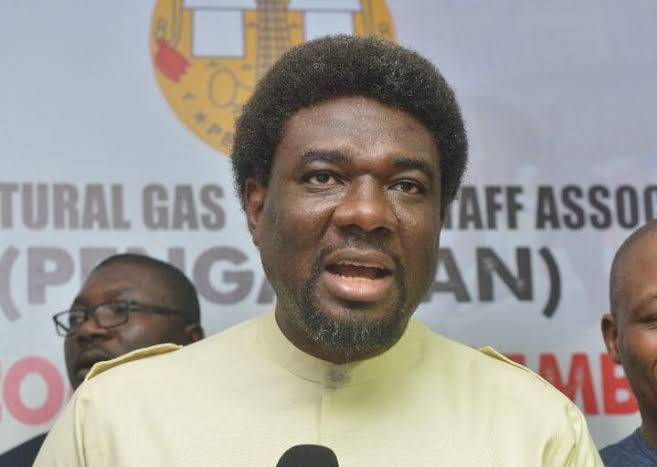
Also speaking, Deputy General Secretary of the NLC, Benson Upah called for the revival of what he described as the previous cordial relationship between the labour centre and the EFCC, saying both organisations shared a common vision in the fight against corruption.
Upah said Nigerian workers had access to information that could assist the EFCC in its investigations and potentially reduce the time and resources required to uncover financial crimes.
He said kleptocracy was depriving both present and future generations of decent living conditions.
According to him, corruption was also contributing to the country’s worsening insecurity, as funds allocated to national security and defence are usually diverted by corrupt officials.
Upah argued that the EFCC required stronger powers to effectively discharge its mandate without interference, adding that the NLC was prepared to support advocacy efforts in that regard.
He also warned that Nigeria could not continue to depend on foreign aid, arguing that the country’s dependence on external assistance had contributed to weak institutions and entrenched corruption.
Upah appealed to the EFCC to discharge its responsibilities with a clear conscience and resist political interference.
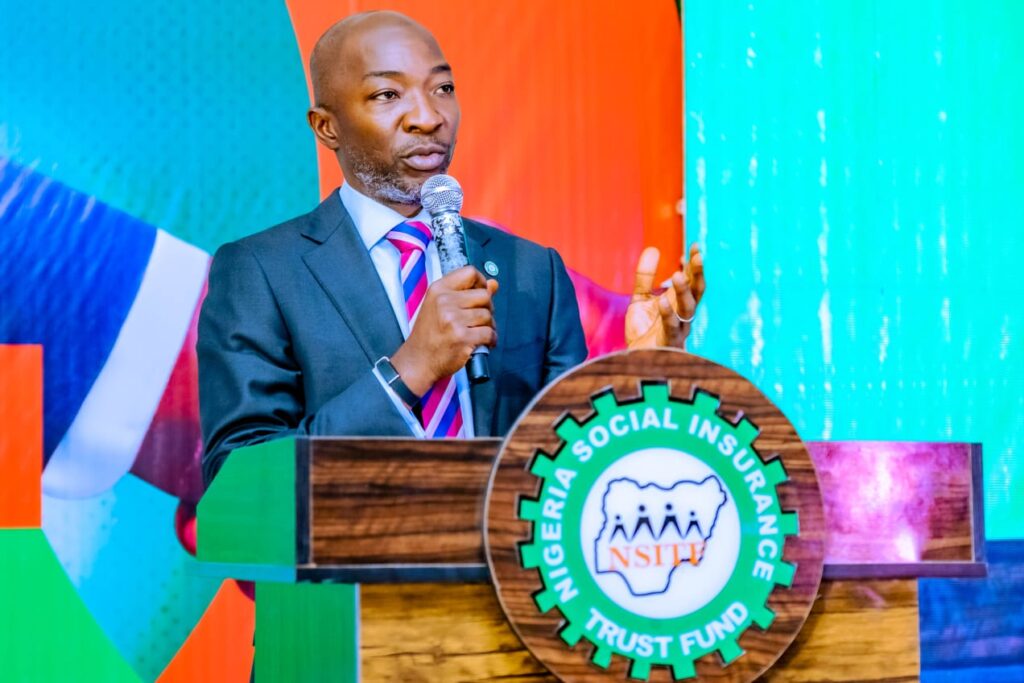
Responding, EFCC Director of Public Affairs, Wilson Uwujaren, acknowledged that Nigeria and several other African countries were grappling with the problem of illicit financial flows.
Uwujaren said the EFCC had recorded significant recoveries and arrests as part of efforts to tackle kleptocracy and financial crimes, but stressed that the commission could not fight corruption alone and required the cooperation of other institutions and stakeholders.
He also dismissed suggestions that the relationship between the EFCC and the NLC had weakened, saying the partnership was being re-energised.
Uwujaren described whistleblowing as a critical tool in the fight against corruption, recalling that some of the commission’s major achievements in 2016 were facilitated by a vibrant whistleblowing arrangement.
He appealed to the NLC to intensify public enlightenment campaigns among civil servants on the dangers and consequences of corruption, while expressing optimism that stronger collaboration with organised labour would help the EFCC regain the effectiveness associated with its earlier years.
Uwujaren assured the delegation that he would convey its requests and recommendations to EFCC Chairman, Ola Olukoyede, who was absent from the meeting.
The coalition of the NLC on whistleblower protection, civic space and anti-kleptocracy accountability in Nigeria is made up of representatives from trade unions, civil society and the media.