By Oluwakemi Kindness
The National Human Rights Commission (NHRC) says poverty, inequality and weak access to justice, rather than religion itself, are the main drivers of insecurity in Nigeria.
This is as it called on governments to tackle the root causes of violence instead of blaming religious differences.
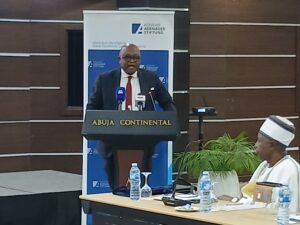
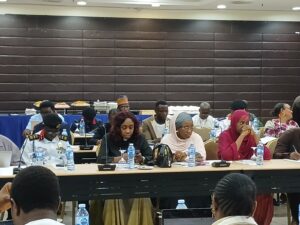
The position on Tuesday was presented at the conference, “Freedom of Religion in Nigeria: Shaping a Future at Peace – Promoting Freedom of Belief, Development and Security,” organised in Abuja by the Konrad Adenauer Stiftung (KAS), where government officials, academics and religious leaders urged stronger interfaith cooperation, value reorientation and youth empowerment to build lasting peace.
Speaking on behalf of the Executive Secretary of the NHRC, Dr. Tony Ojukwu (SAN), Senior Human Rights Adviser, Dr. Hillary Ogbonna, said reducing Nigeria’s security challenges to religion alone ignores the political, economic and social conditions fuelling violence.
“Violence in Nigeria cuts across religious communities and cannot simply be categorised as religious conflict,” Ogbonna said, citing findings from the 2019 visit of the United Nations Special Rapporteur on Freedom of Religion or Belief.
He warned that focusing solely on religion diverts attention from the real causes of insecurity and weakens efforts to achieve sustainable peace.
Ogbonna said the Commission has documented attacks on places of worship, discrimination, hate speech, forced displacement and barriers to justice.
He called for regular dialogue among religious leaders, traditional rulers, government institutions, civil society organisations, women and youth groups to prevent tensions from escalating into violence.
He also urged government to strengthen access to justice through effective investigations and accountability, integrate human rights and freedom of religion education into schools, and increase investment in education, agriculture, healthcare, youth employment and social protection.
According to him, “peace cannot thrive where poverty, inequality and hopelessness persist.”
Earlier, Konrad Adenauer Stiftung Nigeria said protecting freedom of religion and embracing Nigeria’s religious diversity are essential to strengthening democracy, promoting peace and driving sustainable development.
KAS Resident Representative Moritz Sprenker described religious diversity as one of Nigeria’s greatest strengths, saying freedom of religion is not only a constitutional right but also the foundation of human dignity.
“The question before us is not whether diversity exists. The real question is what we do with it. Will we allow it to divide us, or will we choose to make it our greatest source of strength?” Sprenker said.
He added that democracy thrives where freedoms are protected and dialogue bridges differences, urging Nigerians to choose respect over suspicion and cooperation over division.
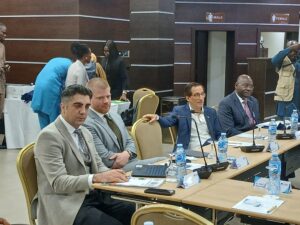
The conference also featured a panel discussion where religious and academic leaders called for nationwide value reorientation, expanded youth employment and stronger collaboration between Christians and Muslims to tackle the conditions driving insecurity.
Fr. Prof. Cornelius A. Omonokhua, said Nigeria must move away from the growing obsession with wealth and material success, warning that it fuels corruption and moral decline.
He urged religious leaders to provide ethical guidance to political leaders and called for greater investment in education, mentoring and jobs for young people to prevent their recruitment into criminal and extremist groups.
Political scientist Prof. Alexander Görlach, identified insecurity as Nigeria’s biggest challenge, saying government must regain full control of its territory to restore public confidence, attract investment and reduce brain drain.
Meanwhile, Rev. Fr. Atta Barkindo, said peacebuilding begins in the family, where children should be taught compassion, tolerance and respect for people of other faiths.
He also advocated peacebuilding training for pastors and imams, peace education in schools, and joint Christian-Muslim economic and humanitarian initiatives.
They agreed that lasting peace in Nigeria will require more than security measures, stressing that good governance, quality education, economic opportunities, moral leadership and sustained interfaith dialogue are critical to addressing the underlying causes of conflict and strengthening national unity.