By Julian Osamoto
Stakeholders have called for inclusive social protection policies that address the needs of informal workers and Nigerians excluded from digital systems
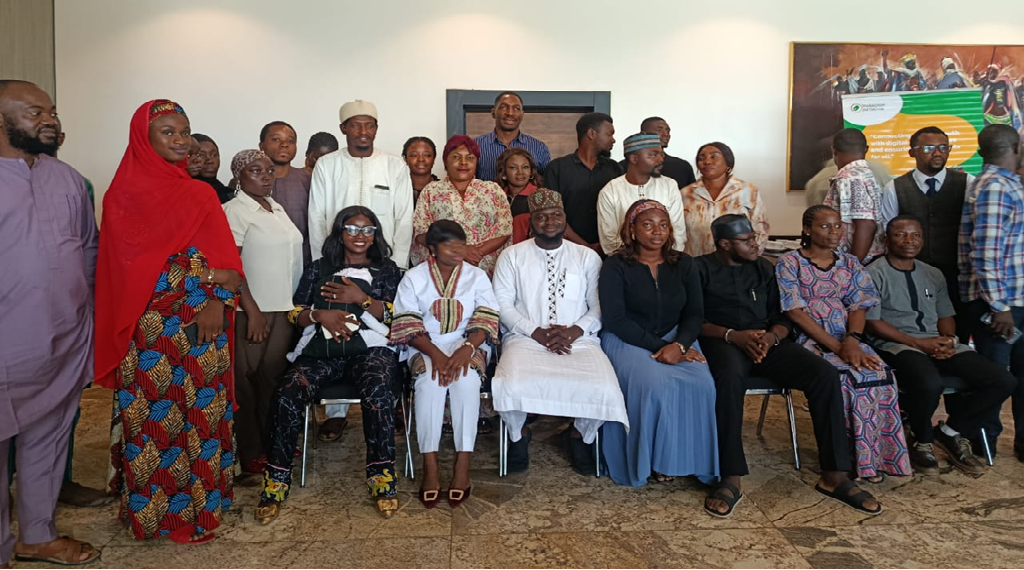
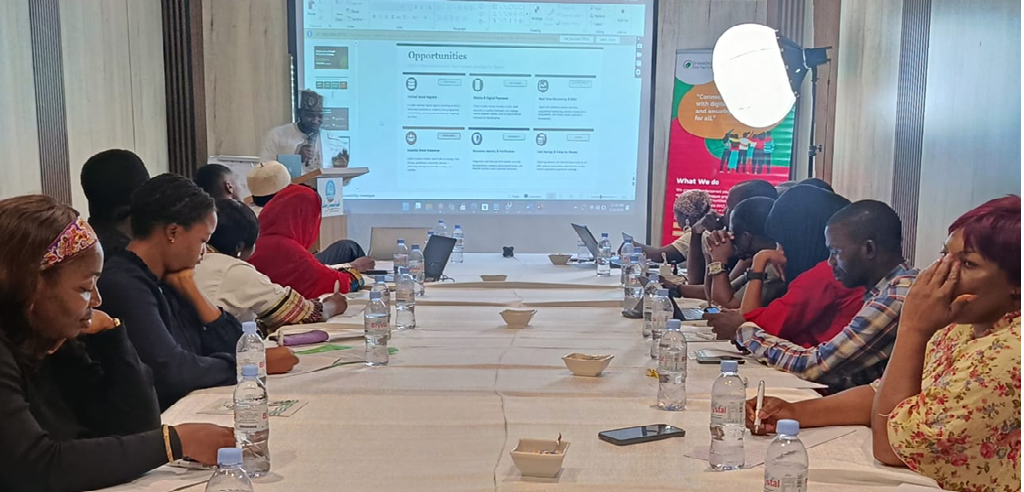
The call was made in Abuja during a roundtable discussion on Digitalisation and Social Protection for Informal Workers in Nigeria, organised by the Centre for Information Technology and Development in collaboration with Paradigm Initiative.
Rights-based social protection
In a keynote address, the Executive Secretary of the Organisation of Trade Unions of West Africa (OTUWA), Comrade John Odah, represented by Mirabelle Asan, called for an inclusive, rights-based social protection system for informal workers.
Odah warned that poor digital inclusion could deepen inequality across Nigeria. “More than 80 per cent of Nigeria’s workforce operates within the informal economy, yet many remain excluded from healthcare, pensions, and welfare programmes,” he said.
He stressed that democracy must go beyond elections and guarantee social protection. “Democracy must mean more than periodic elections. It must guarantee dignity, inclusion, social justice, and the protection of human welfare,” Odah stated.
He described informal workers as the backbone of the economy, listing market women, transport workers, artisans, farmers, and gig workers among those largely excluded from formal systems.
Odah also raised concerns over digital exclusion in social welfare delivery, warning against “digital discrimination.” “We must insist that digital transformation should never become digital discrimination,” he warned.
He called for simple, multilingual, and accessible registration systems, alongside stronger investment in digital literacy.
He further urged government and stakeholders to treat informal workers as active participants in policymaking, not just beneficiaries.
“Technology must serve humanity, not replace social responsibility,” he said.
Weak infrastructure undermining reforms
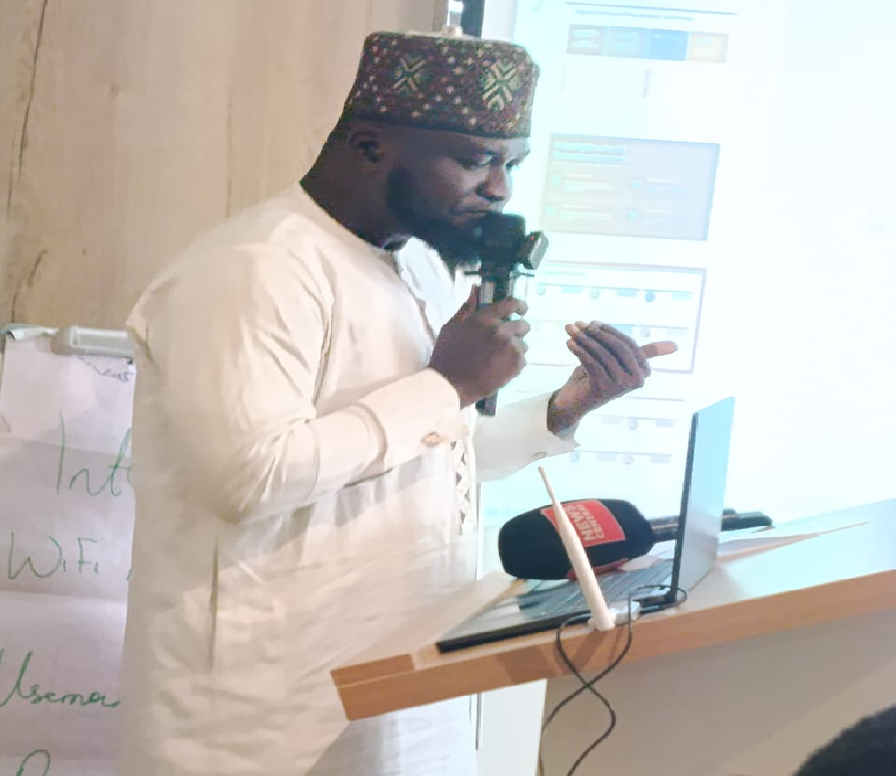
Presenting a report on Nigeria’s social protection digitisation, Executive Director of Glowing Minds Initiative, Shamsudeen Abdulrazak, pointed out that weak infrastructure and poor inclusion strategies has continued to undermine reforms.
He noted that millions of informal workers remain outside Nigeria’s social safety net despite their economic contribution. “We’ve worked with young people in the informal sector, and it exposed deep vulnerabilities in the system,” Abdulrazak said.
Abdulrazak, referenced a 2022 UNICEF-supported birth registration project in Niger State that faced challenges such as poor broadband access, insecurity, and low awareness.
According to him, some rural residents could not even recall their children’s birth dates accurately. “Some people only linked birth dates to events like Ramadan fasting,” he explained.
He also highlighted real-time exclusion in digital programmes, where beneficiaries received notifications after events had ended due to lack of internet access or basic phones. “Some got emails two days after the programme. Others had no data or used basic phones,” he said.
While emphasizing that digital systems must include persons with disabilities, he citing the need to budget for interpreters in programme design.
According to him, the informal sector dominates Nigeria’s labour market. “About 80 per cent of jobs come from the informal economy, with 76.7 per cent of employed Nigerians working in it” “Seven out of every 10 Nigerians work in the informal sector,” he stated.
Abdulrazak explained that Point-of-Sale (POS) operations have become a major source of informal employment, expanding financial access across communities.
However, he warned that political will remains a major barrier. “The systems are there. What is lacking is the political will to make them work effectively for the people,” he said.
Inclusion must be central to digital policy
Also speaking, Programs Officer and Research Lead at Paradigm Initiative Sani Sulaiman, noted that Nigeria’s digital social protection systems must be redesigned to ensure inclusion of marginalised groups.
He said the roundtable aims to identify policy gaps and co-create rights-based solutions for informal workers. “We are co-creating a pathway for a rights-respecting environment for informal workers,” he said.
Sulaiman warned that digital systems risk failure if large portions of citizens remain offline or digitally excluded. “You can’t propose these systems while a sizable number of workers are not included,” he said.
He also criticised weak stakeholder engagement in policymaking, saying many policies fail to reflect the realities of informal workers.
To address this, he said the organisation is working with labour groups, civil society, and informal worker representatives to develop evidence-based recommendations.
Sulaiman noted that engagement with parliamentarians and ministries such as Labour and Humanitarian Affairs will be key to pushing reforms.
Call for inclusive solutions
In her opening remarks, Yesmin Ejiwumi program officer at CITAD explained that the roundtable comes at a critical time as Nigeria expands digital delivery of social protection services.
She warned that without deliberate inclusion, vulnerable groups risk being left behind.
The session ended with a consensus among stakeholders that Nigeria’s digital social protection agenda must prioritise inclusion, accessibility, transparency, and accountability.