By Oluwakemi Kindness
The Federal Government has approved the creation of safe corridors and safe passage to facilitate the movement of loaded trucks awaiting clearance to the Republic of Niger.
The approval by President Bola Tinubu is part of ongoing efforts to ease transit bottlenecks and strengthen cross-border trade.
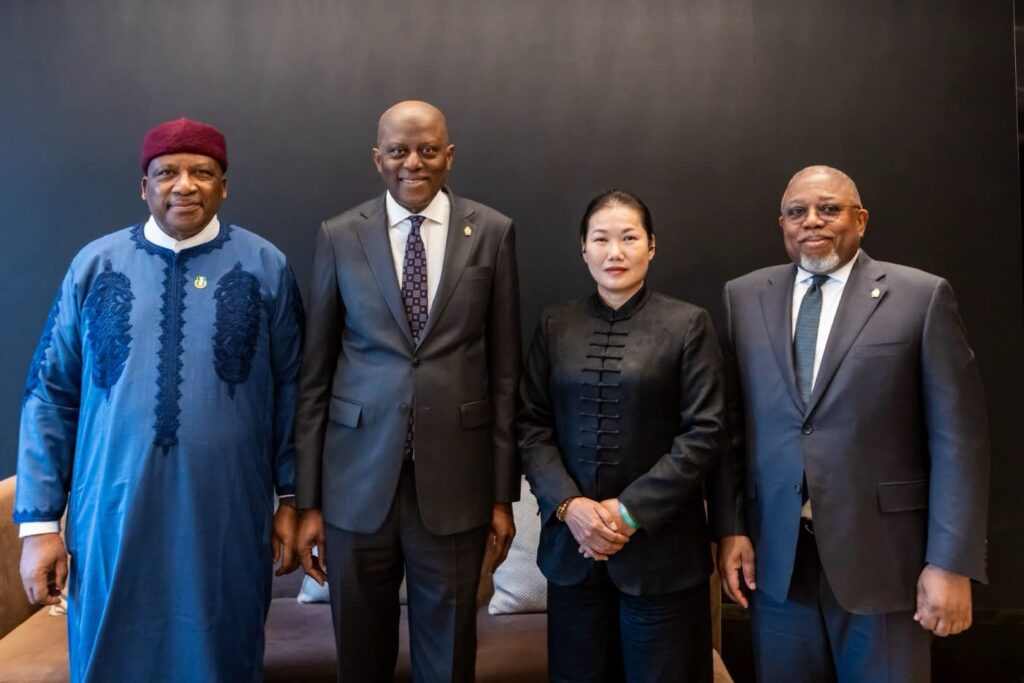
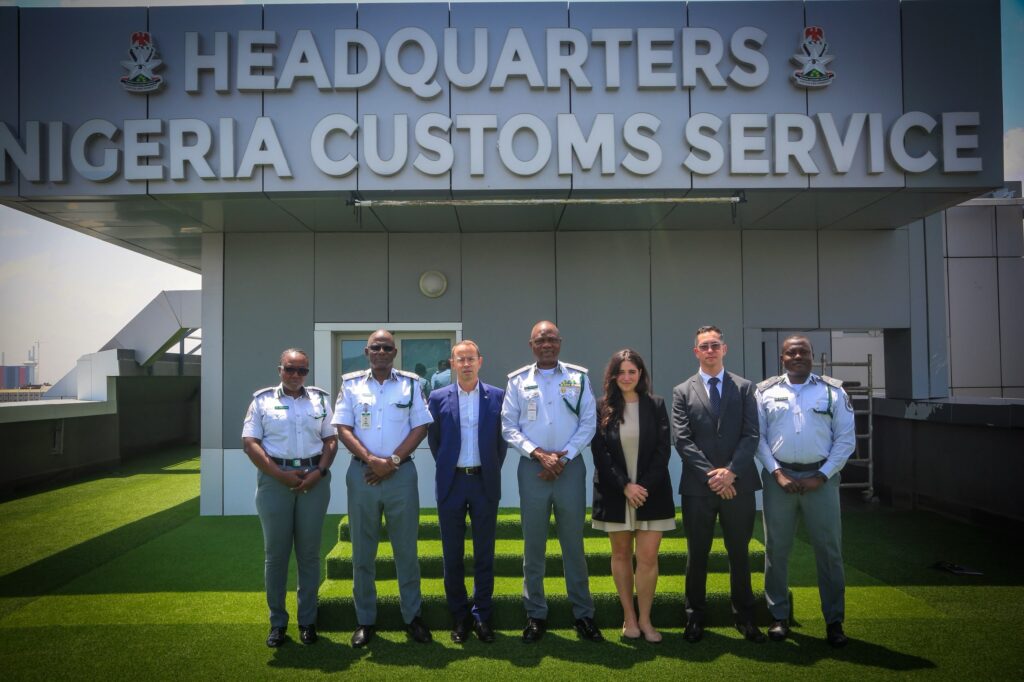
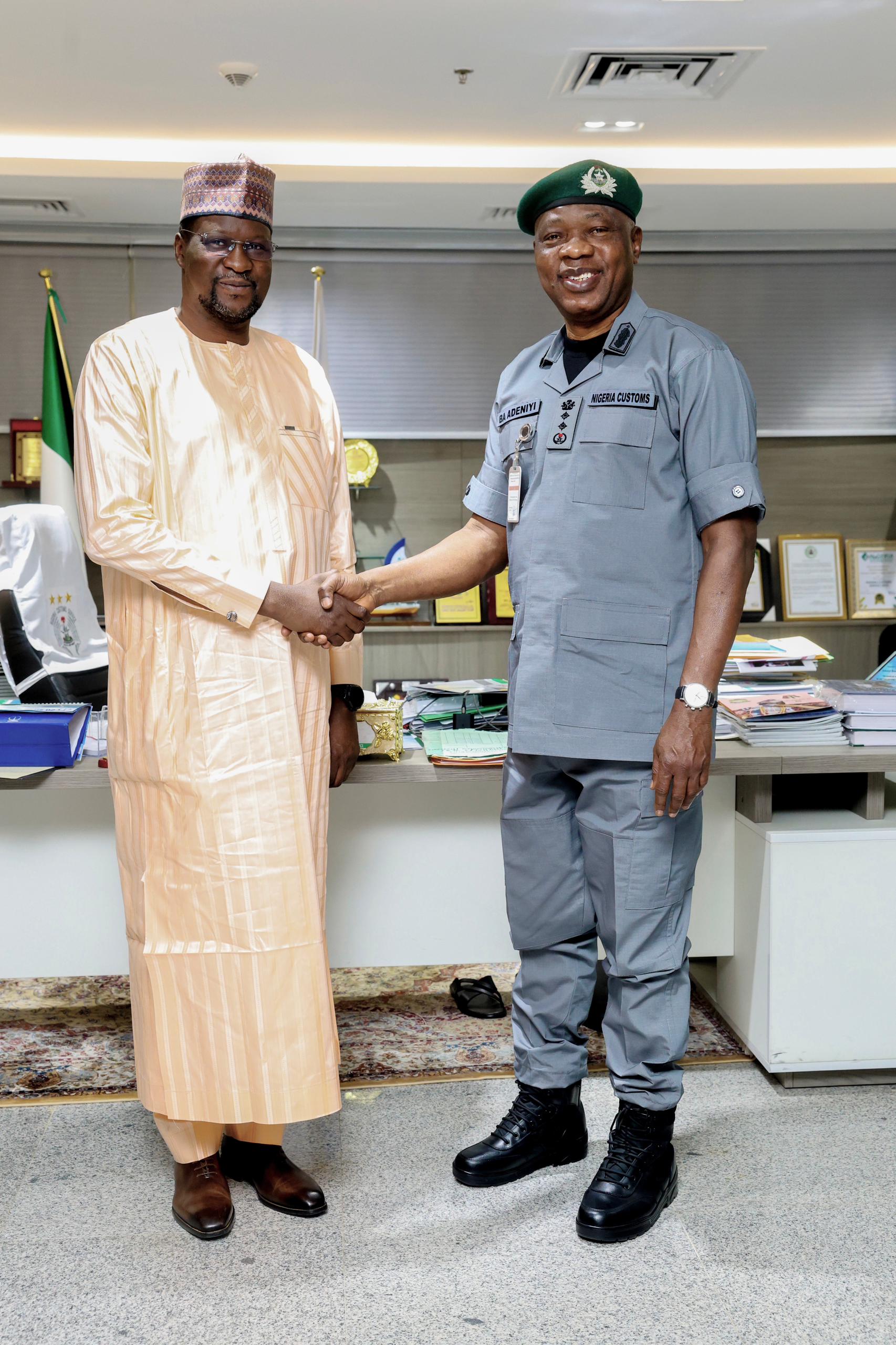
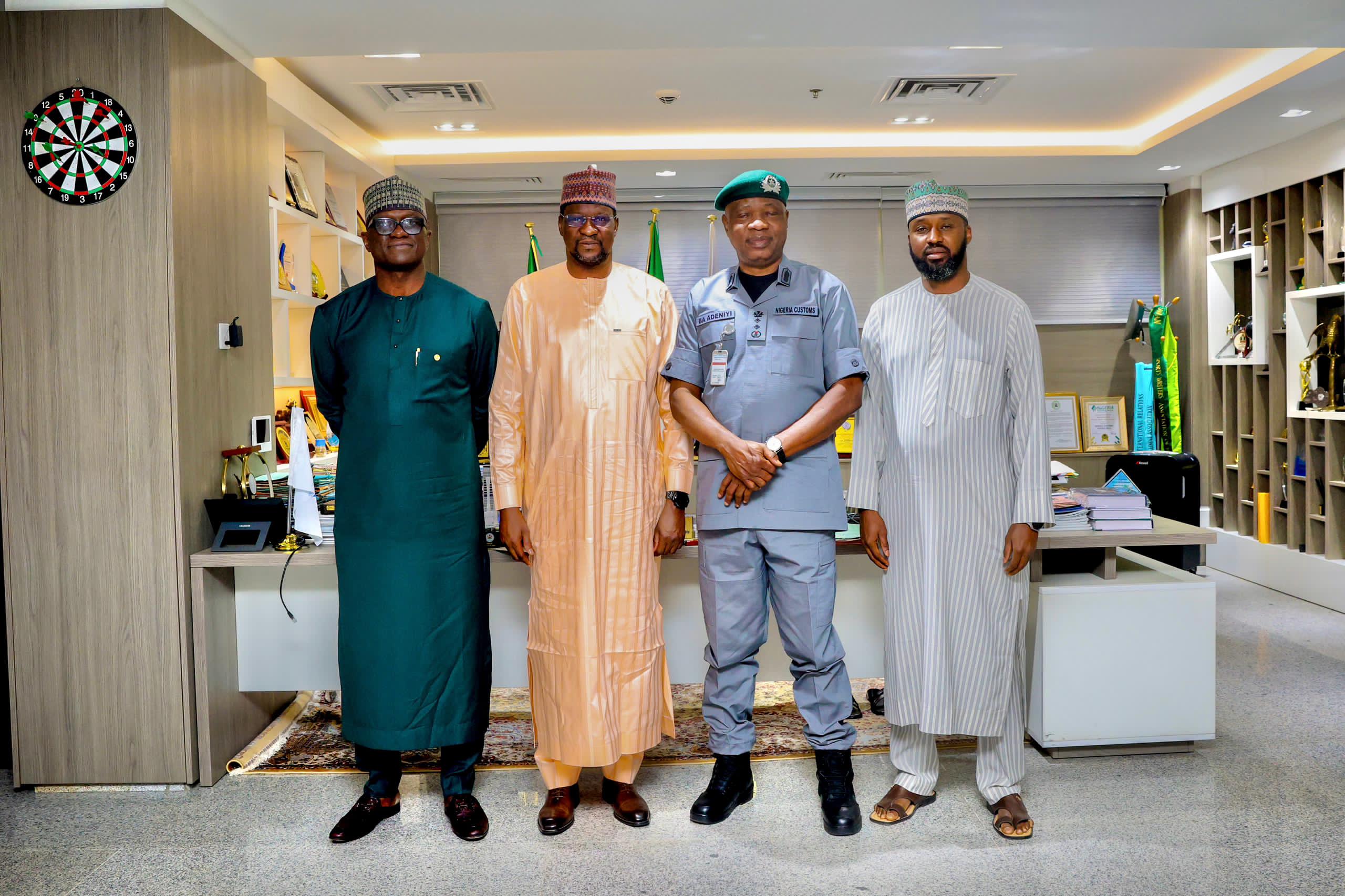
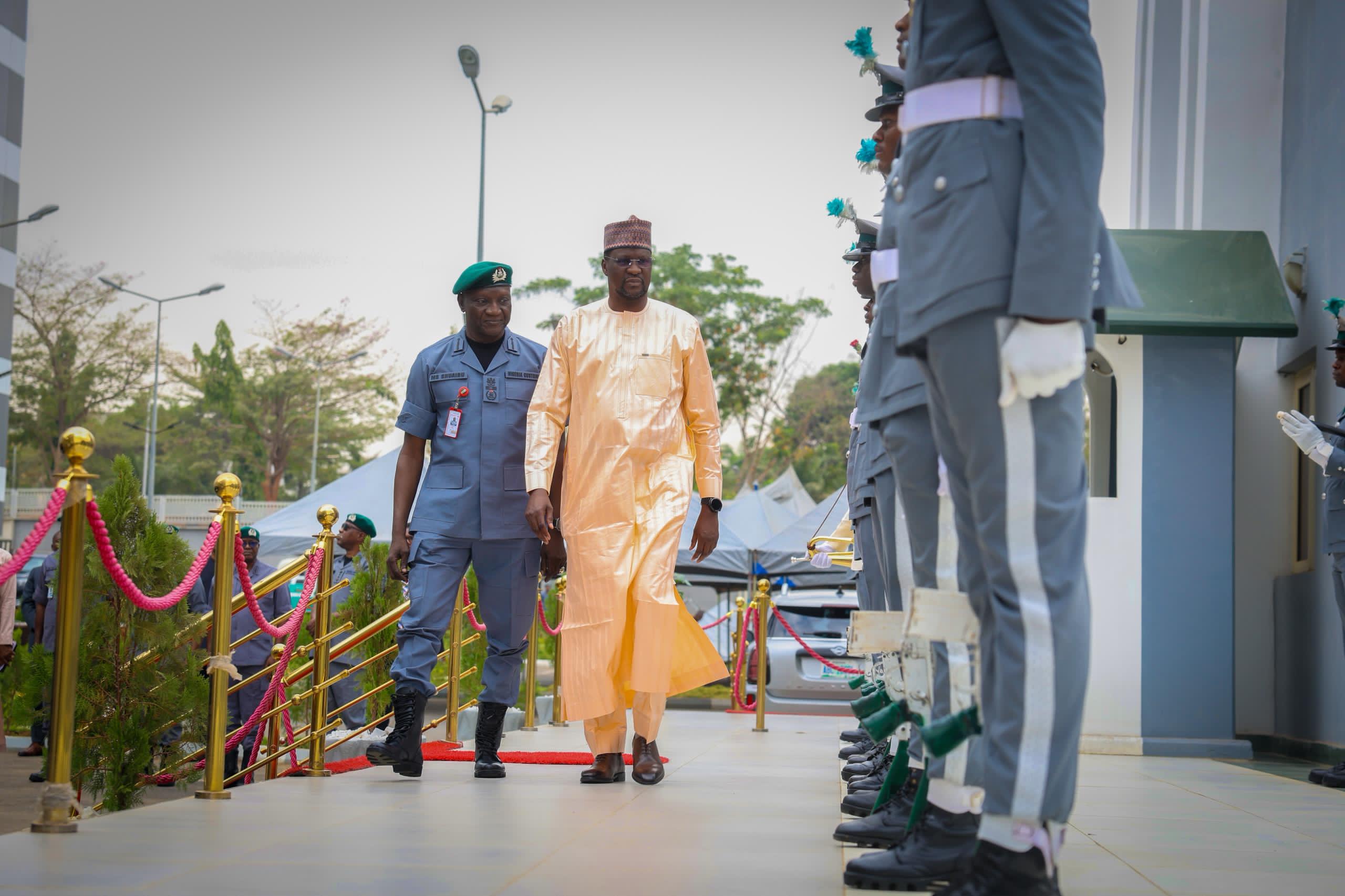
The Comptroller-General of Customs (CGC), Adewale Adeniyi, announced the presidential approval on Friday, during a high-level bilateral meeting between the Nigeria Customs Service (NCS) and the Niger Republic Customs Administration, led by its Director-General, Muhammadu Yaqouba, at the Customs House Abuja.
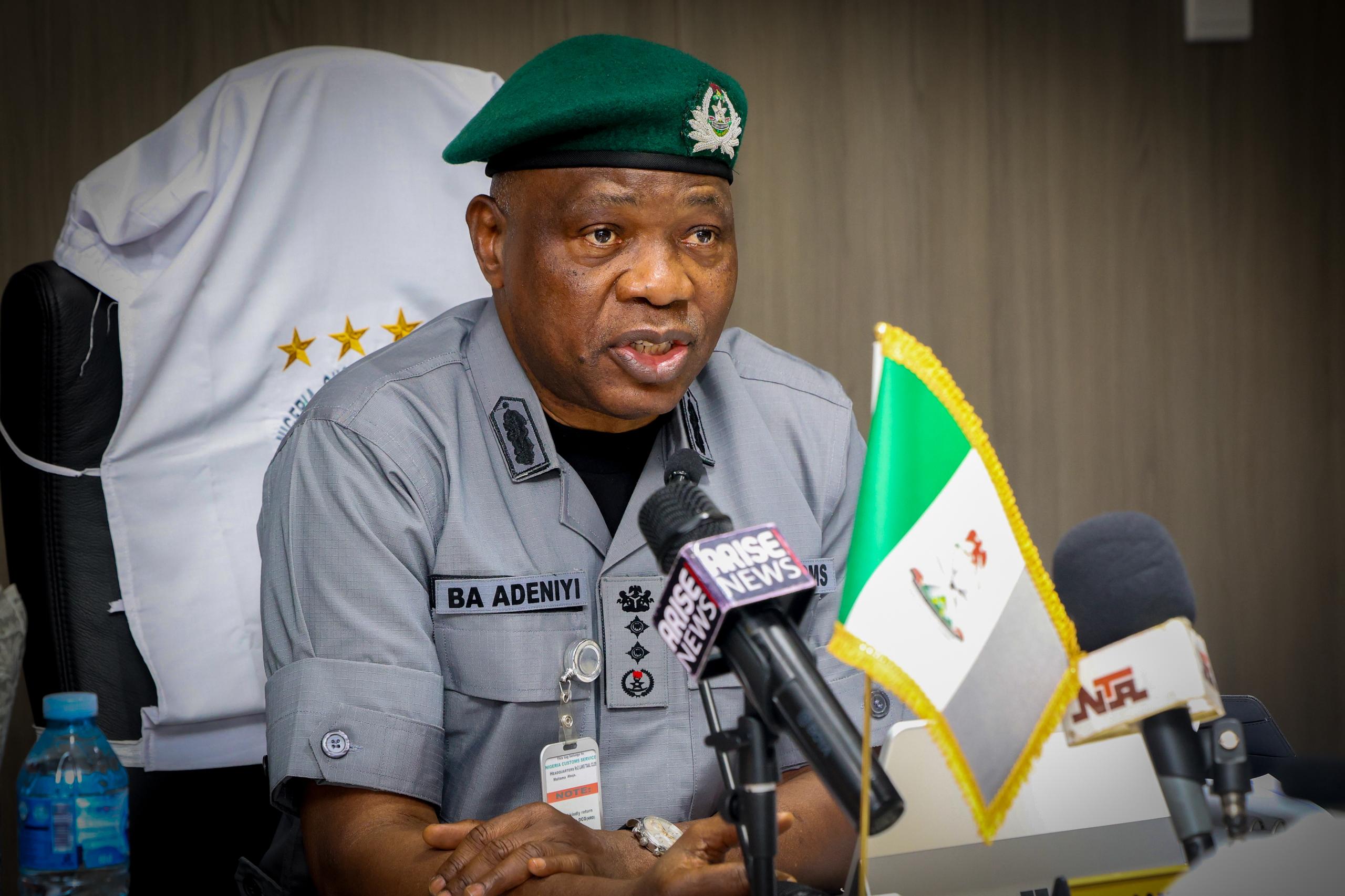
He noted that the initiative is designed to ensure the efficient movement of transit cargo, particularly goods originating from Apapa ports and airports while safeguarding Nigeria’s security and economic interests.
He added that such cargoes will continue to be processed and moved within 48 hours, with stringent measures in place to prevent the diversion of transit goods.
According to the CGC, non-compliance by a few operators has created non-tariff barriers and eroded trust.
He said the Service is determined to streamline documentation and eliminate unnecessary delays along major trade corridors, including the Illela–Sokoto–Kamba–Niger Republic axis and routes linking Nigeria’s ports to neighbouring countries.
Adeniyi congratulated the Director-General of Niger Republic Customs on his appointment, noting the strong history of cooperation between both administrations through the World Customs Organisation (WCO) and bilateral engagements.
He highlighted Nigeria’s obligations under Articles 124–132 of the United Nations Convention on the Law of the Sea, which guarantee access to the sea for landlocked countries such as Niger.
He also acknowledged the operational challenges faced by landlocked nations, especially the high transaction costs associated with reliance on neighbouring ports and infrastructure.
He reaffirmed that Nigeria remains committed to facilitating trade for Niger Republic and other neighbours, emphasising that regional trade, security and stability are deeply interconnected.
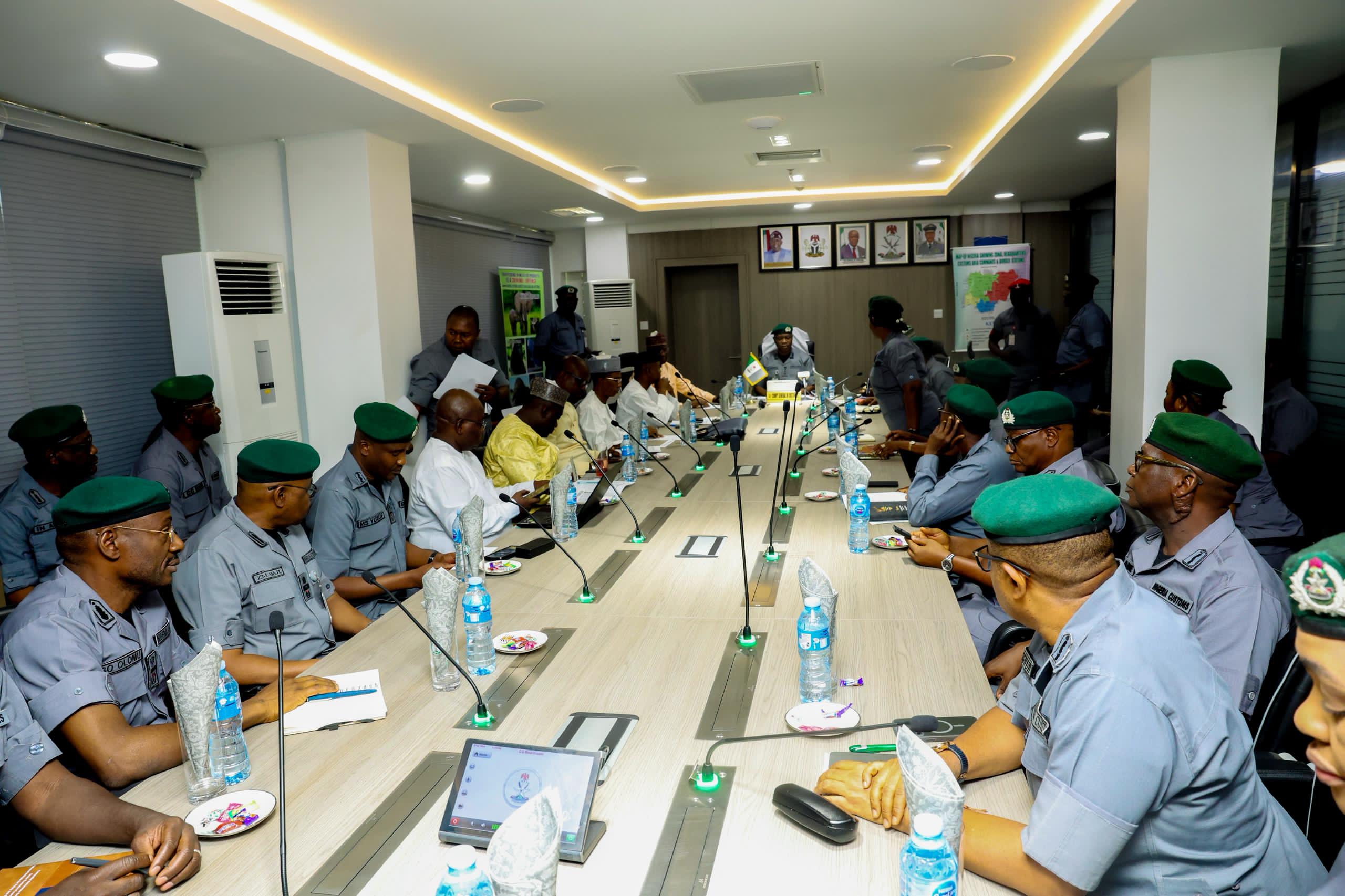
Adeniyi described the meeting as the start of a renewed phase of cooperation aimed at redefining operational procedures, reducing costs, boosting trade volumes and making regional corridors more competitive for transport operators.
Earlier, the Director-General of the Niger Republic Customs Administration, Muhammadu Yaqouba, said the visit was a working mission driven by shared responsibilities and longstanding ties between the two Customs institutions.
He cited two key challenges necessitating the engagement: the prolonged blockage of trucks transiting from the Republic of Benin to Niger Republic and persistent security concerns across the region.
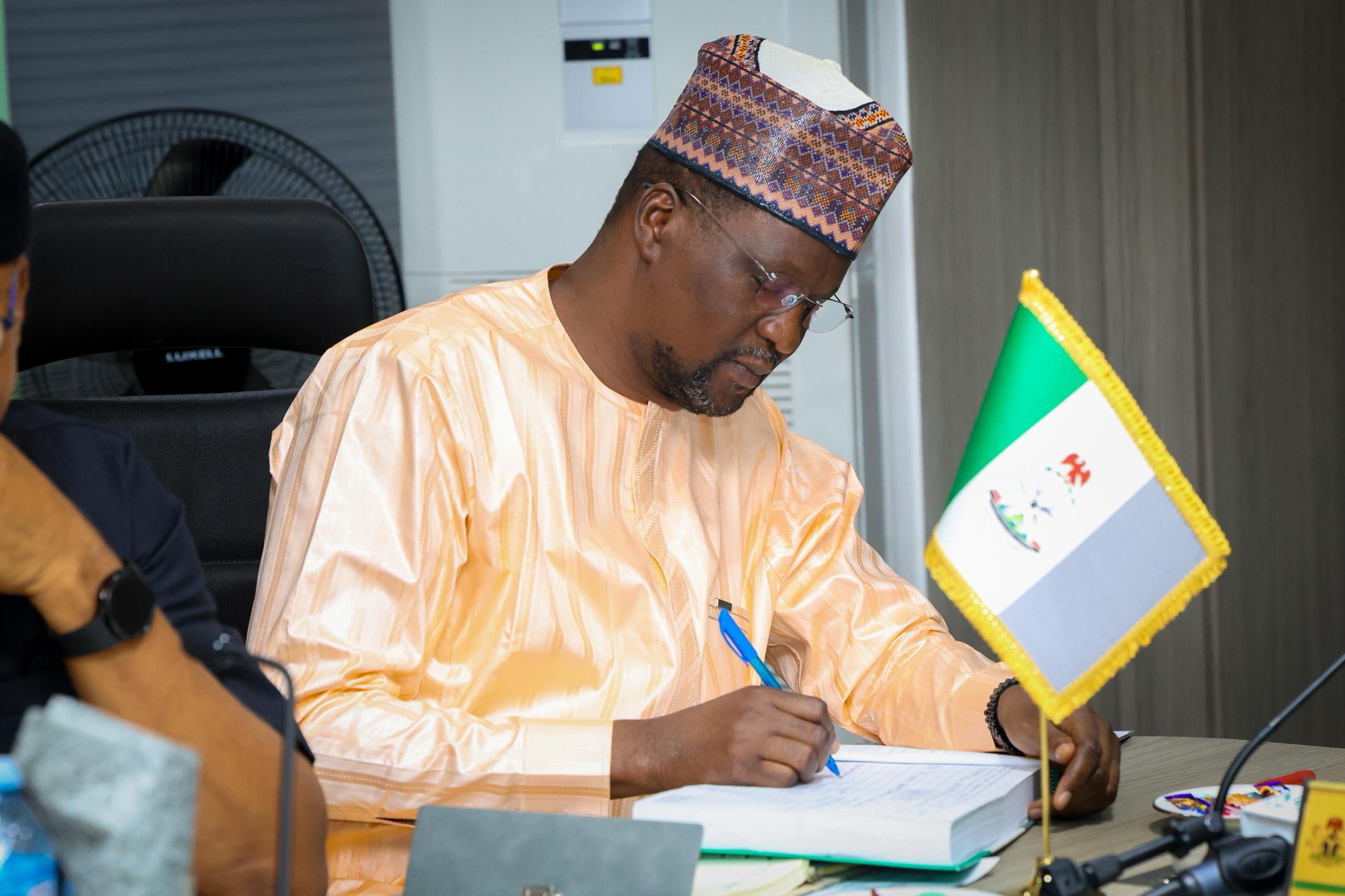
Yaqouba said Niger has intensified efforts since 2024 to combat terrorism through Operation Saran Kasa, a coordinated national security initiative that has yielded notable results.
He said scanners have been deployed at entry points to inspect all incoming goods, emphasising the crucial role of Customs in combating terrorism, arms trafficking and cross-border crime.
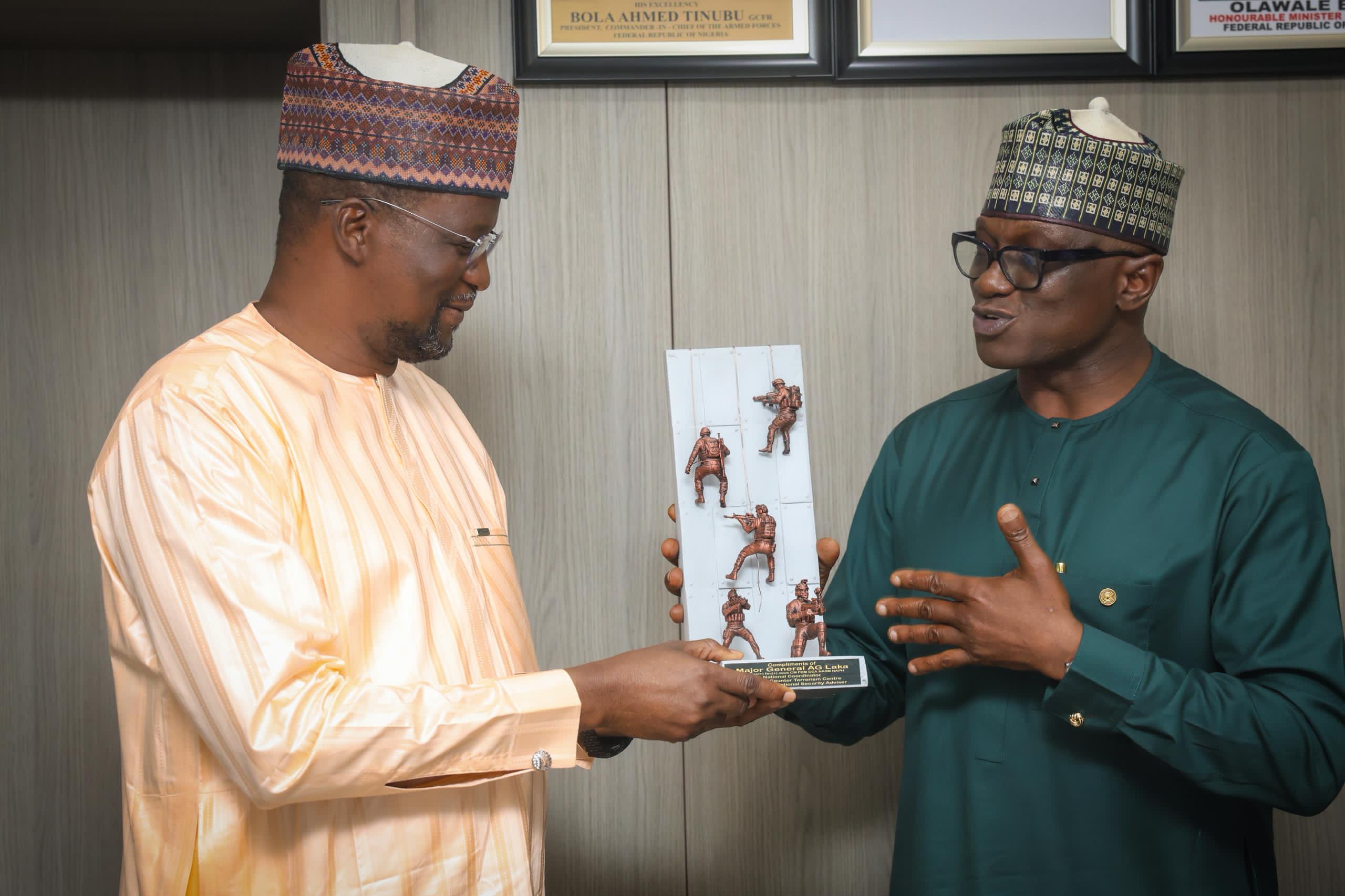
Also speaking, the National Coordinator of the National Counter-Terrorism Centre, Office of the National Security Adviser (ONSA), Major-General Garba Laka, congratulated DG Yaqouba on his appointment and extended condolences over the recent terrorist attack near Niamey Airport.
Laka described the incident as painful and reaffirmed the shared determination of Nigeria and Niger to prevent future attacks.
He noted that the two nations share strong historical and cultural ties, particularly in border communities, and that insecurity anywhere in the Sahel poses risks for all.
He warned that arms trafficking, drug smuggling and the concealment of ammunition in cargo trucks remain serious threats requiring coordinated action.
Laka added that Nigeria places high priority on Niger-related matters, including trade, energy supply and security, with requests—particularly on petroleum products and gas—receiving prompt attention at the highest levels.
He called for the revival of bilateral security frameworks, including cross-border right-of-pursuit arrangements, as well as joint operations and enhanced inter-agency coordination.
He expressed confidence that the outcomes of the meeting would translate into concrete, sustained actions.