By Mustapha Musa
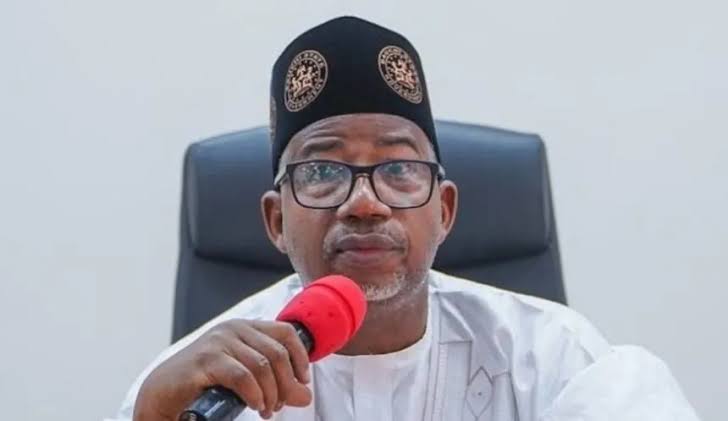
The Minister of Information and National Orientation, Mohammed Idris, says President Bola Tinubu’s economic reforms are stabilising Nigeria’s economy, restoring public confidence, and putting the country on a sustainable growth path.
He stated this in a statement by his Special Assistant on Media, Rabiu Ibrahim.
The statement says Idris who spoke during a virtual interview on an ICAN programme on Thursday, explains that the removal of fuel subsidy and the unification of the foreign exchange rate were deliberate measures to address deep structural problems.
“As of May 2023, about 26 out of 36 states could not pay salaries, and nearly 97% of government revenue went into debt servicing. Nigeria couldn’t survive on that path,” he said.
Idris acknowledged that the reforms caused short-term shocks but said they were necessary to correct long-standing distortions and return resources to the broader population.
“These were not politically convenient decisions, but if they were not taken, Nigeria was heading in the wrong direction,” he added.
The Minister highlighted recent signs of progress, including foreign reserves rising to $46 billion, easing inflation, and increased investor confidence.
He also noted Nigeria’s removal from the FATF grey list, which has strengthened access to global capital and boosted the country’s credibility internationally.
On tax reforms, Idris said the aim is to simplify the system, remove duplication, and bring more citizens into the tax net fairly.
He stressed that trust and transparent communication are key to effective governance, and that the government is working to curb misinformation while safeguarding media freedom.
Idris also highlighted Nigeria’s successful bid to host UNESCO’s first Category-2 Media and Information Literacy Institute, aimed at equipping citizens, especially youth, to distinguish fact from falsehood.