By Oche Otene
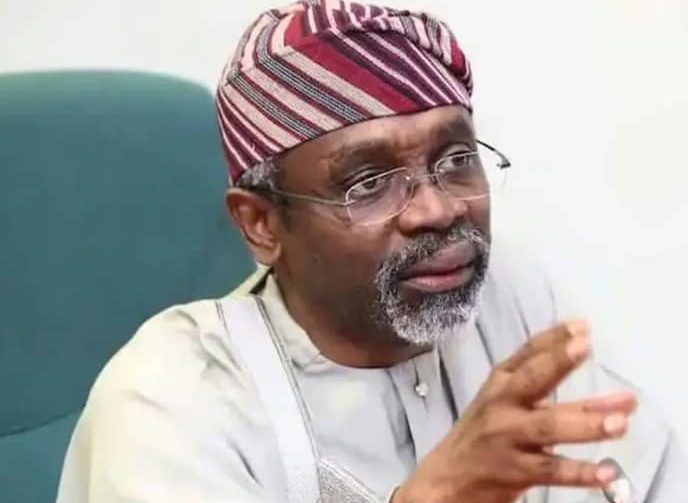
Founder of Albino Foundation and election observer in the Ekiti Governorship election,Jake Epelle has praised the ongoing Ekiti State Governorship election,saying it shows signs of improved public trust in the electoral process.
Speaking to Democracy Radio in Ado Ekiti Okpala described voter turnout as “a turnaround worth noting” compared to previous off-cycle elections.
“I think something is turning. We’ve seen a reasonable turnout of voters in this process. That’s a good thing and it brings me to the fact that citizens need to buy back their trust in the electoral process. They must not see INEC and other electoral institutions as enemies of democracy. They are not. Where they fall short, we should criticize, but we must also acknowledge progress,” he said.
On inclusivity for Persons with Disabilities ,Epelle calls for more action by INEC noting that urgent attention is still needed in that area.
Epelle rated INEC’s performance on accessibility as low, citing poor deployment and implementation of inclusive infrastructure. He blamed part of the problem on existing buildings with high platforms for polling units, but said INEC must take responsibility.
“You may not have built those buildings, but INEC should have done an early audit of all locations where ballot boxes would be placed. That audit would identify places that are not accessible so changes can be made before election day, if it doesn’t violate their plan,” he stated.
He shared a field experience where he supervised a woman on a wheelchair and refused to allow her to be carried.
“We collectively agreed to bring the ballot box down to her level. She voted and left. It was very easy. Where we don’t have resources for structural access, let’s use common sense: bring the ballot box down to the voter,”
He added that political party agents had no objection once they understood the need.
He called on INEC to codify the practice in its regulations and urged development partners to invest in accessible polling units.
He however expressed concern about accreditation of observers.
“Some of our observers did not have tags and security operatives harassed them. I blame INEC here because they didn’t have enough time to process those we registered. You can’t tell an organization deploying 200 observers that you’ll only register 60. That creates problems for development partners,”.
Despite the challenges,he commended INEC for engaging civil society to document field experiences. “I’m glad INEC got organizations like Democracy Radio to get true, factual information from the field. I hope they will use it at the end of the day.”