By Chinedu Echianu
The Nigeria Social Insurance Trust Fund (NSITF) is calling for a nationwide attitudinal change from routine compliance with safety rules to the entrenchment of a sustainable safety culture across industries in Nigeria.
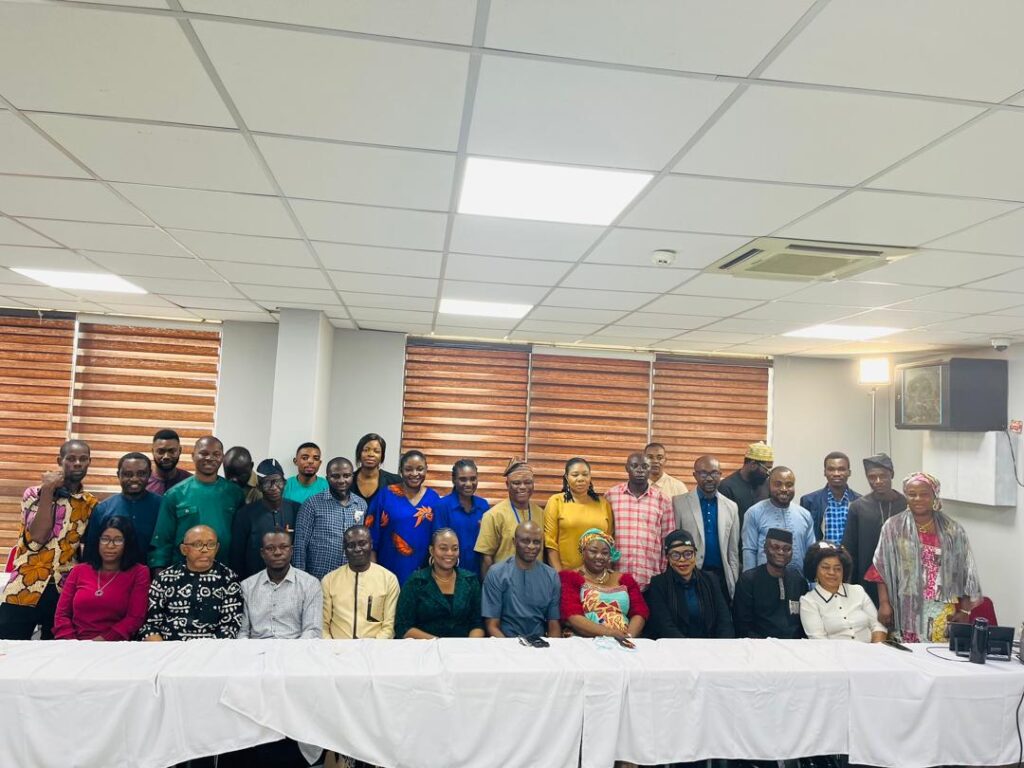
Managing Director of NSITF, Barrister Oluwaseun Faleye, made the call on Tuesday in Abuja at the NSITF–Nigeria Employers’ Consultative Association (NECA) Safe Workplace Intervention Project (SWIP) Abuja Mega Awards Ceremony, which marked the grand finale of the 2025 SWIP programme.
Faleye described the Abuja event as the “homecoming of safety,” noting that it concluded a 12-day nationwide SWIP tour that began at the NSITF headquarters and covered major industrial hubs, including Lagos and Enugu.
He said the initiative symbolises Nigeria’s shift from reacting to workplace accidents to proactively preventing them, while also recognising organisations that have made worker protection a core business value.
“A safe workplace is an efficient workplace, and a protected worker is a productive worker,” Faleye said, explaining that SWIP represents a strategic partnership between NSITF as the regulator and NECA as the operator.
He highlighted a major policy shift within the agency from what he termed “reactive compensation” to “proactive prevention,” stressing that preventing accidents is far more beneficial than paying compensation after harm has occurred. According to him, continuous training, access to information and sustained safety awareness are critical to transforming workplace safety from a checklist exercise into a habit embedded in organisational culture.
Congratulating organisations recognised at the Abuja Mega Awards, Faleye urged them to see the honours not as an endpoint, but as a responsibility to serve as safety ambassadors within their respective sectors.
In her remarks, the Minister of State for Labour and Employment, Nkeiruka Onyejeocha, reaffirmed the Federal Government’s commitment to the protection of Nigerian workers, declaring that workplace safety is a legal obligation and not optional for employers.
The minister drew attention to the economic significance of the northern region, identifying high-risk sectors such as mining, construction, manufacturing and agro-processing. She stressed that safety in these industries must be treated as a responsibility rather than a choice.
While acknowledging the Employees’ Compensation Act of 2010 as a strong framework for supporting injured workers, Onyejeocha said compensation alone was not enough. She emphasised that the government’s priority is prevention, insisting that workers should not have to suffer injury or death before action is taken.
Describing SWIP as a practical platform, the minister said the initiative brings together employers, regulators and workers to identify risks, build capacity and prevent workplace accidents. She issued a stern warning to employers who disregard occupational safety laws, stating that the government would no longer tolerate practices that endanger lives in the name of productivity.
According to her, violators will face sanctions and prosecution, including charges of manslaughter where negligence leads to death. She, however, commended organisations recognised at the event for demonstrating that strong labour standards and profitable businesses can coexist.
A total of 32 organisations received awards in various categories for promoting healthy safety practices in their workplaces. The awards included plaques, safety equipment and ambulances.