By Chinedu Echianu
The Petroleum and Natural Gas Senior Staff Association of Nigeria (PENGASSAN), has criticized President Bola Tinubu’s executive Order No. 9 saying parts of the order could undermine stability in Nigeria’s oil and gas industry and threaten jobs.
President Tinubu’s order, which reportedly redirects 30 per cent of profit oil previously retained by NNPC Limited to the Federation Account, is part of the Federal Government’s broader fiscal and reform agenda aimed at strengthening revenue flows and improving transparency in the management of petroleum resources.
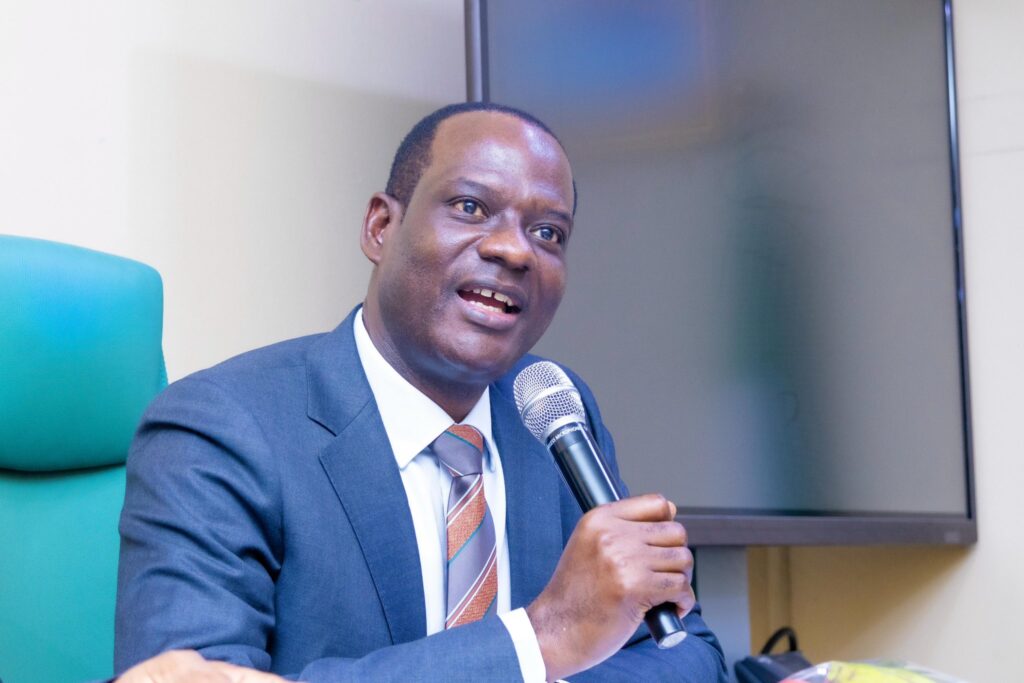
However, PENGASSAN President, Comrade Festus Osifo, said the union has “serious concerns” about the implications of the order, describing some of its provisions as a direct challenge to the Petroleum Industry Act (PIA).
Concerns Over NNPC Funding and Workers’ Salaries
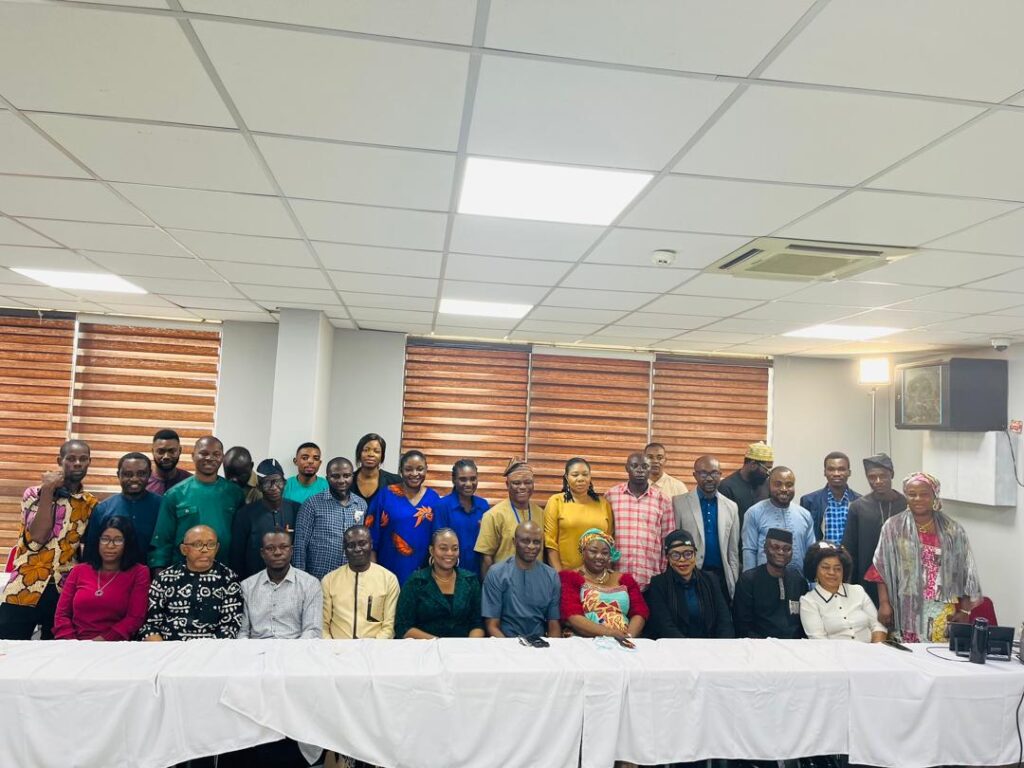
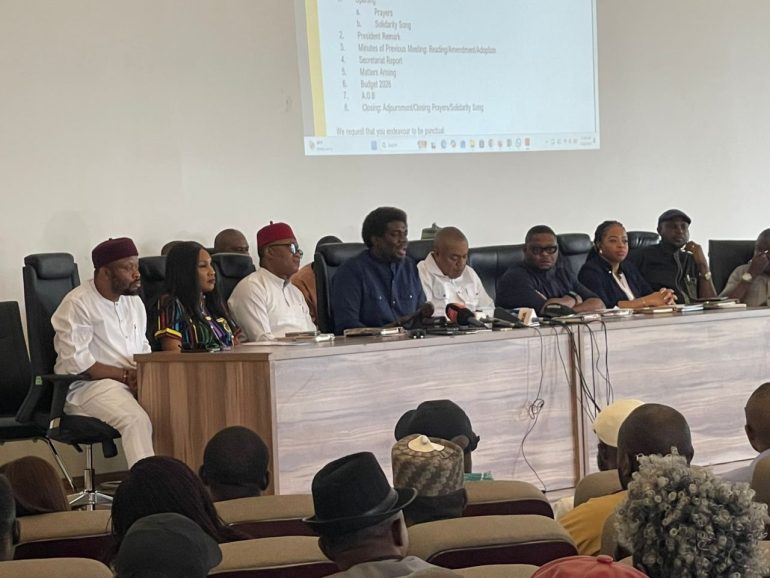
Speaking during the union’s National Executive Council (NEC) meeting, Osifo argued that while the government has the constitutional authority to amend laws, such amendments should follow due legislative process through the National Assembly and broad stakeholder engagement.
He explained that profit oil is calculated after deducting royalties, taxes, and cost recovery from total revenue, leaving a residual amount. Of that residual, 30 per cent—estimated at between 1.5 and 2.5 per cent of total revenue—serves as NNPC’s management fee.
“With the movement of this fund to the Federation Account, what is the mechanism for returning the management fee to NNPC to meet salary obligations?” Osifo queried.
He warned that any disruption to NNPC’s operational funding could negatively affect industry stability, foreign exchange earnings, and ultimately the value of the naira, with ripple effects on inflation.
Government’s Reform Push
The Federal Government has defended its reform measures as necessary steps to stabilise the economy following currency devaluation, subsidy removal, and rising inflation.
Osifo acknowledged that some macroeconomic indicators suggest moderation—particularly in year-on-year inflation rates and exchange rate stability—but insisted that the reality for Nigerian workers remains harsh.
“When inflation figures are said to be reducing, it is often a comparison between two high bases,” he said. “The cost of goods has already risen astronomically since 2023 and 2024. Nigerians are still feeling the heat in their pockets.”
He added that oil and gas workers often shoulder extended family and community responsibilities, amplifying the impact of economic hardship.
Call for Action on Insecurity and Infrastructure
Beyond the executive order, PENGASSAN called on the government to intensify efforts in tackling insecurity, urging greater deployment of technology and increased funding for security operations.
“We are in a state of emergency in terms of insecurity,” Osifo said, stressing that the loss of any Nigerian life should be of national concern.
The union also criticised the deplorable state of federal roads and recurring electricity grid collapses, noting that reliable power supply is critical to national development. While acknowledging recent decentralisation of electricity generation to states, PENGASSAN urged both federal and state governments to act decisively.
Dangote Refinery, Rig Count and NLNG Model
On industry operations, Osifo said unresolved labour issues remain at the Dangote Group refinery, calling on the Federal Ministry of Labour, security agencies, and company management to fast-track resolution.
He welcomed improvements in pipeline security and rising rig counts, noting that increased crude production boosts revenue and secures jobs across the value chain.
PENGASSAN also reiterated its long-standing advocacy for adopting the Nigeria LNG (NLNG) model in refinery management—where private investors hold majority equity while government retains a significant minority stake to ensure energy security.
Osifo argued that privatising refineries under a 51:49 private-public structure would shield operations from political interference and enhance efficiency.
He further advised that refineries should be operational before any divestment to improve asset valuation.
Engagement Ongoing
Despite its criticisms, PENGASSAN said it has begun engagements with government officials and will continue consultations to ensure workers’ interests and industry stability are protected.
“Our interest is to protect our members and ensure the industry remains stable,” Osifo said, assuring that the union would issue a formal communiqué at the end of its NEC meeting.
As the Tinubu administration presses ahead with reforms, the coming weeks are likely to test the balance between fiscal restructuring and labour stability in Nigeria’s critical oil and gas sector.
Written by Democracy Radio