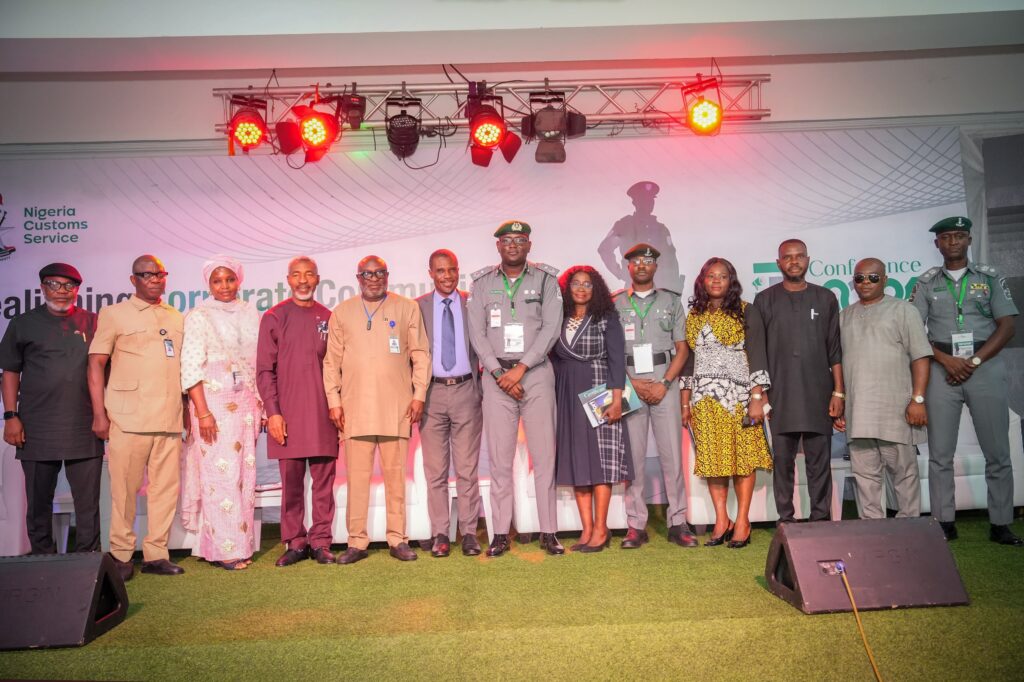
By Zainab Bakare
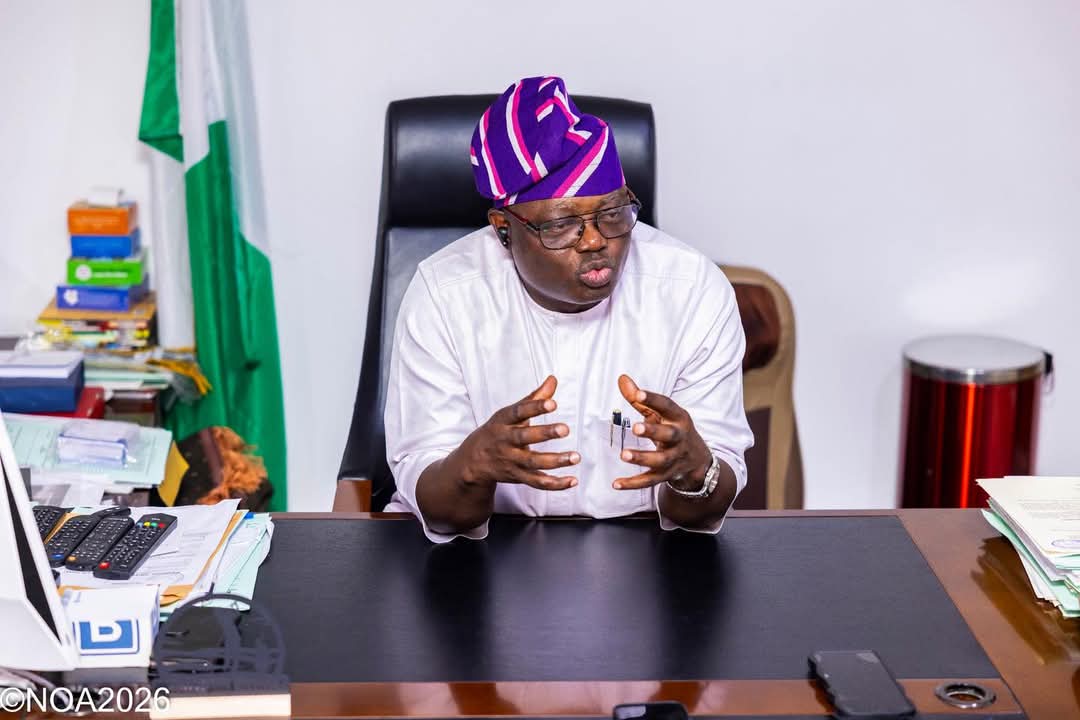
Nigeria’s Minister of Information and National Orientation, Mohammed Idris, says journalism remains a critical pillar for truth, accountability, and democratic stability amid rising misinformation, insecurity, as well as attacks on democratic institutions.
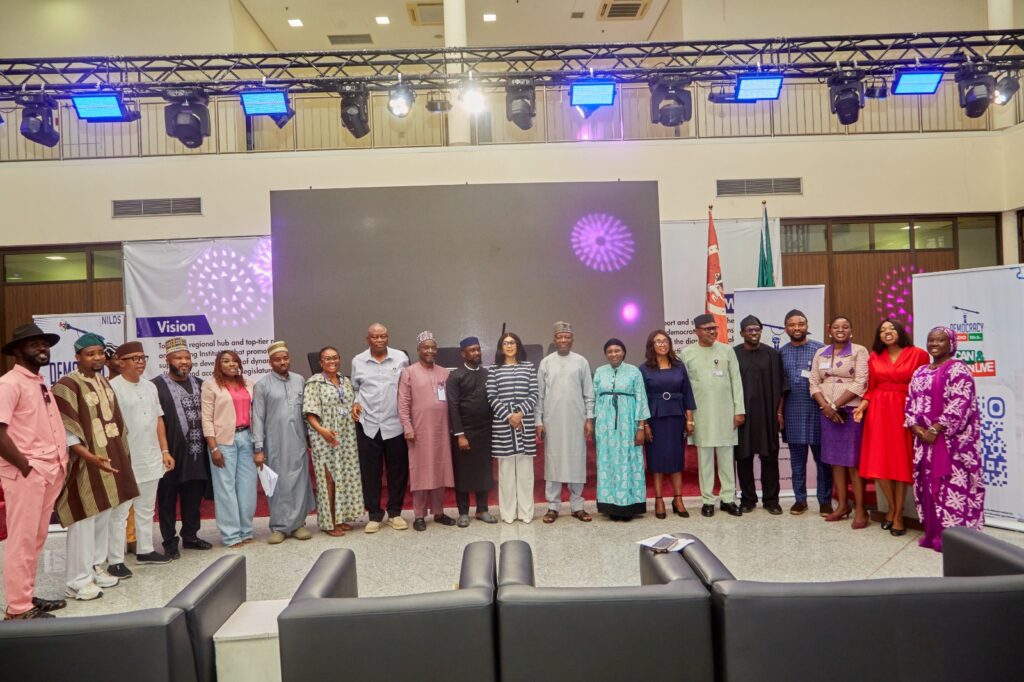
The minister spoke at the 2026 World Press Freedom Day event in Abuja, themed, “Shaping a Future at Peace: Promoting Press Freedom for Human Rights, Development and Security,” organised by the Centre for Journalism Innovation and Development in partnership with the National Human Rights Commission and Konrad-Adenauer Stiftung.
Represented by Dili Ezugwu, Idris said the media plays a vital role in promoting peace, protecting human rights, and strengthening democratic governance.
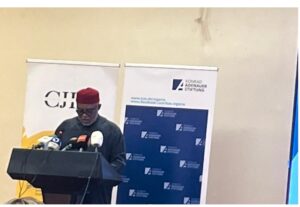
He noted that increasing global polarisation, digital misinformation, manipulation, and insecurity have made responsible journalism more important than ever.
“At a time when the world faces increasing polarisation, misinformation, digital manipulation, and insecurity, journalism remains one of the strongest pillars for truth, transparency, and social stability,” he said.
The minister warned journalists against unethical practices and political interference, stressing that the media must promote unity instead of deepening divisions.
“Responsible journalism does not meddle in politics. It builds bridges of understanding, amplifies the voices of the vulnerable, and promotes national unity,” he added.
Stakeholders at the event also raised concerns over growing press freedom violations in Nigeria, citing attacks on journalists, shrinking civic space, and alleged misuse of laws to suppress critical reporting.
Executive Secretary of the National Human Rights Commission, (NHRC) Tony Ojukwu, represented by Dr Ogbonna Hillary, said journalists now face intimidation, arbitrary arrests, unlawful detention, digital surveillance, cyberattacks, and violence.
He alleged that authorities sometimes use laws such as the Cybercrimes Act to silence investigative journalism and weaken democratic accountability.
Ojukwu disclosed that the commission had begun investigating a fresh attack on a journalist reported on the same day the global event was marked.
He reiterated that press freedom remains essential to democracy, accountability, peace, and national development, while pledging continued monitoring of violations against journalists and support for reforms that strengthen media independence.
Founder of the Centre for Journalism Innovation and Development, Dapo Olorunyomi, called for stronger collaboration among citizens, institutions, and civil society groups to protect democratic values and promote transparent governance.
He said collective responsibility, justice, and peaceful engagement remain key to sustainable democratic progress.
At a panel session on investigative journalism and human rights protection, CJID Deputy Director of Journalism Programmes, Bisola Ajibola, revealed that attackers targeted 44 journalists between January and December 2025.
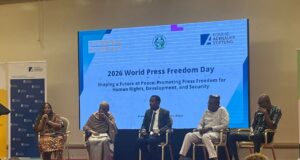
She also said authorities have failed to resolve 28 cases involving the killing of journalists in Nigeria since 1986, raising concerns over impunity and weak accountability systems.
Journalist and media practitioner, Matthew Ojoduma, recounted spending about 10 months in detention while travelling within West Africa, describing the experience as an unlawful abduction rather than a legitimate arrest.
He also claimed that fear and political pressure prevent some lawyers from openly defending human rights cases.
NHRC Director of Corporate Affairs and External Linkages, Fatimah Mohammed, said many journalists do not formally report abuse cases, forcing the commission to rely on media monitoring and third-party complaints.
She explained that the commission can investigate violations, summon alleged perpetrators, award compensation, and intervene in court cases involving attacks on press freedom.
A major highlight of the event was the launch of the Press Attack Tracker by CJID Executive Director, Akintunde Babatunde.
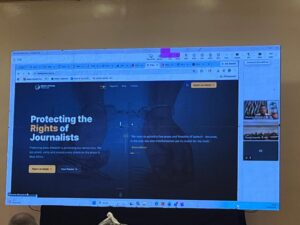
Babatunde said the platform would help journalists report attacks and seek justice more effectively while improving accountability for violations against media professionals.
The event also featured sessions on dignity-centred human rights reporting and legal support for journalists, bringing together media professionals, civil society groups, development partners, and human rights advocates to discuss the role of the press in defending democracy in Nigeria.