By Oluwakemi Kindness
The House of Representatives has commenced an investigation into the alleged diversion and poor insurance coverage of the N1.12 trillion Anchor Borrowers Programme (ABP).
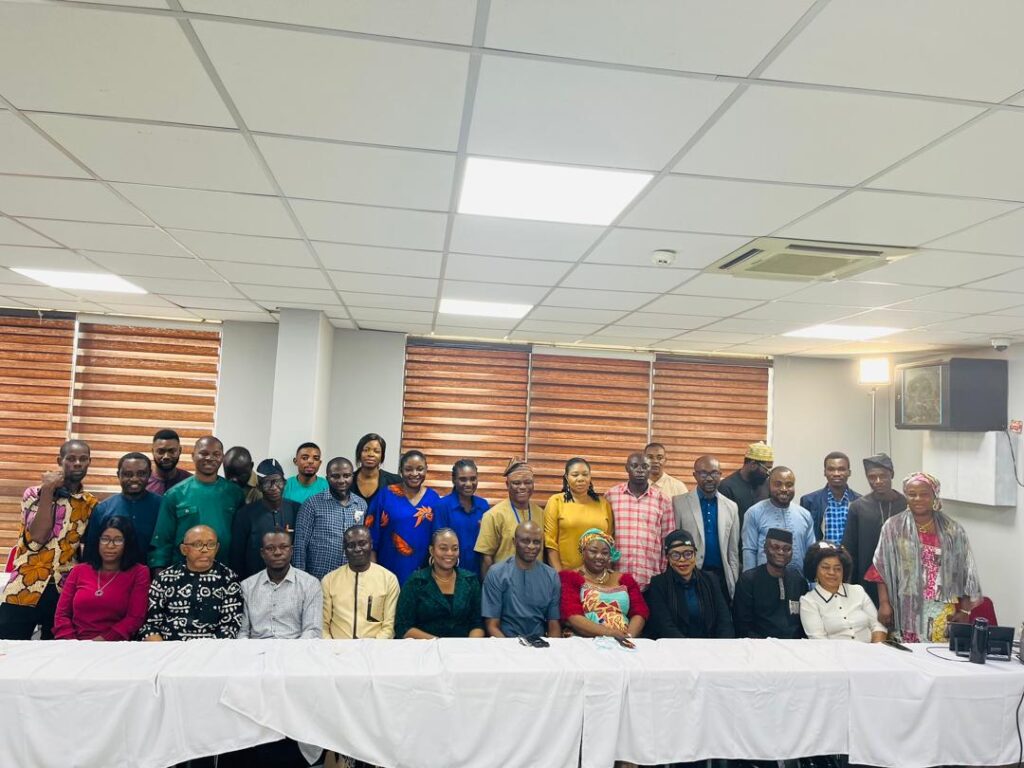
The probe, led by the House Committee on Nutrition and Food Security, is examining how funds meant to boost agricultural production were managed, as well as the role of insurance providers and participating financial institutions.
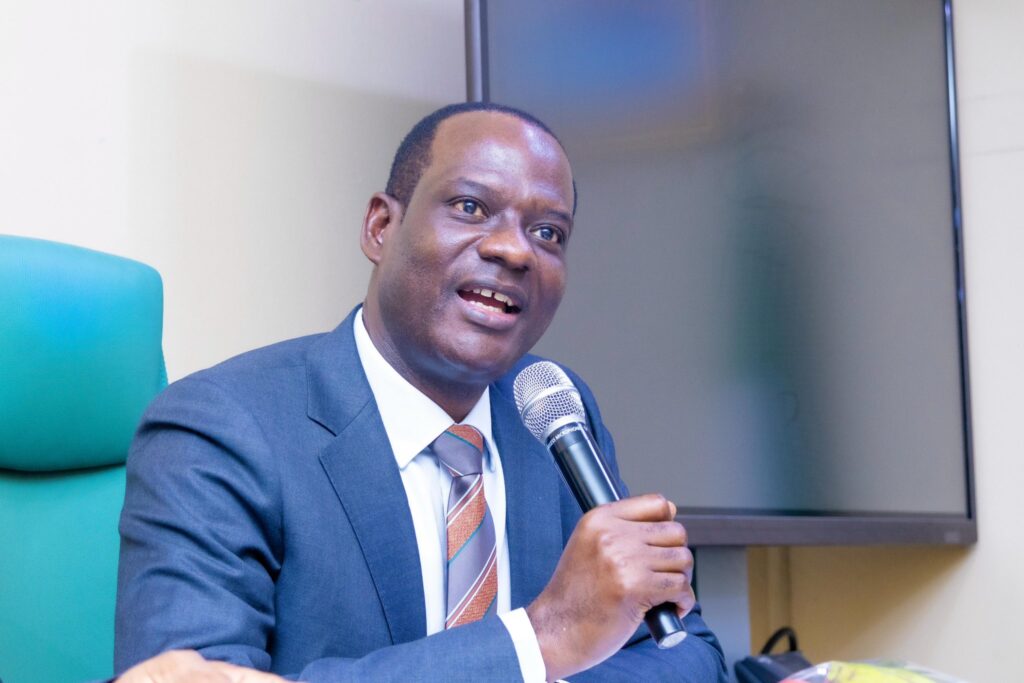
Chairman of the Committee, Chike Okafor, during a hearing in Abuja on Thursday says the exercise is part of efforts to uncover factors that undermined the success of the scheme.
NAIC Admits Limited Coverage
At the investigative hearing, a representative of the Nigerian Agricultural Insurance Corporation (NAIC), Dayo Babaronti, disclosed that the agency provided insurance cover to 207,514 farmers, valued at about N109 billion.
This represents just 12% of the total coverage under the programme.
He further revealed that although NAIC was initially designated as the sole insurer, the Central Bank of Nigeria (CBN) later engaged two additional firms Veritas Kapital Insurance and Leadway Assurance Company Limited—both of which were absent at the hearing.
Breakdown of Intervention
Babaronti also gave further insights into NAIC’s involvement in other agricultural interventions:
Under the NIRSAL-backed N250 billion facility, NAIC provided insurance cover of about N8.25 billion
For a N1.6 billion ginger farming programme, only N715 million was covered.
The agency said it was not involved in the Bank of Industry Agro and Food Processor Scheme, contrary to policy expectations
Committee Raises Concerns
Following the presentation, Okafor said the committee would invite NAIC again after reviewing documents submitted late by the agency.
He noted that the panel has received numerous complaints from farmers and commodity associations regarding inadequate insurance coverage.
“The reason why we are here is because the programmes did not succeed 100%. If they had succeeded, we will not be here,” he said.
Stakeholder Exclusion Blamed
The lawmaker disclosed that preliminary findings indicate that farmers and key stakeholders were not involved in the design of the programme, which may have contributed to its poor performance.
The House had in July 2025 mandated its committees on agriculture, nutrition, and finance to investigate the alleged misuse of government intervention funds across ministries, departments, agencies, and related programmes.
The ongoing probe is expected to provide clarity on how the Anchor Borrowers Programme was implemented and identify lapses in achieving its objectives of improving food production in Nigeria.