By Oluwakemi Kindness
Vice-President, Kashim Shettima has pledged to work with state governors to expand capital market financing for development projects, warning that policy reversals could undermine investor confidence and weaken Nigeria’s economic gains.
He said states should embrace properly structured bonds, credible project pipelines and greater transparency to mobilise long-term funding for infrastructure rather than rely excessively on short-term or foreign borrowing.
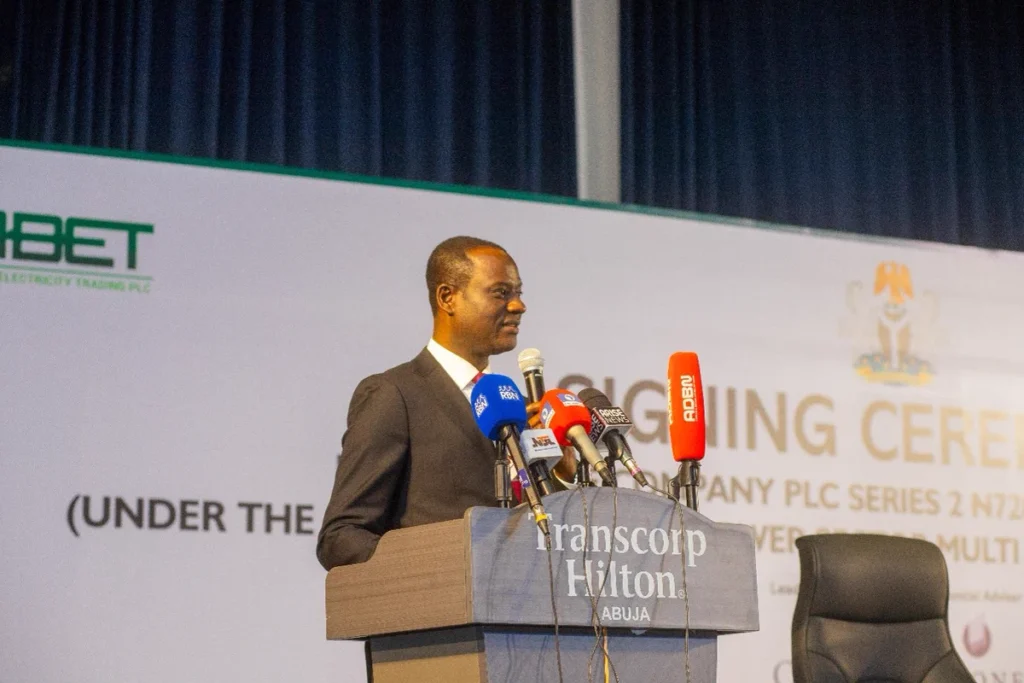
Shettima spoke on Monday at the National Capital Market Conference 2026 in Abuja, where he unveiled the Nigerian Capital Market Master Plan 2.0, a 10-year roadmap targeting growth in the market from about ₦250tn to ₦750tn by 2036.
The Vice-President said access to capital market financing could promote fiscal discipline and strengthen accountability in public spending, provided governments adopted responsible borrowing practices.
He said he would engage state governors to encourage greater use of the market, particularly through bonds backed by credible projects and transparent financing arrangements.
Shettima also warned that reversing government policies could erode investor confidence, urging regulators and market operators to sustain reforms and protect investors.
He attributed the capital market’s growth partly to reforms introduced by the Federal Government since May 2023, including petrol subsidy removal, foreign exchange market unification, tax reforms, bank recapitalisation and the Investments and Securities Act 2025.
According to him, the Nigerian Exchange All-Share Index rose from about 55,000 points in May 2023 to more than 260,000 points, while listed equities increased in value from approximately ₦30tn to nearly ₦160tn in January 2026.
The combined value of the equities and bond markets has also exceeded ₦217tn, he said.
Meanwhile, the Minister of Finance and Coordinating Minister for the Economy, Taiwo Oyedele, said Nigeria should aim for a $1tn capital market to support its ambition of building a $1tn economy by 2030.
Oyedele called for the accelerated listing of selected state-owned enterprises, including the Nigerian National Petroleum Company Limited and Nigeria LNG Limited, to expand investment opportunities and deepen domestic capital formation.
He also proposed increasing the number of listed companies from 146 to 250 and growing retail investors from about six million to 20 million.
The Chairman of the Senate Committee on Capital Market, Senator Osita Izunaso, similarly urged the government to encourage NNPC and major telecommunications companies to list on the Nigerian Exchange.
Izunaso said Nigeria had more than five million registered companies but only about 151 listed firms, highlighting the need to widen corporate participation in the market.
The Director-General of the Securities and Exchange Commission, Emomotimi Agama, said the master plan would deepen market participation, expand investment products and strengthen market infrastructure.
He said implementation committees would oversee the plan, with each commitment assigned an owner, timeline and scorecard to track progress.
The SEC also launched the National Savings Scheme to encourage Nigerians, including traders, farmers and young graduates, to save and invest through regulated financial products.
The plan’s success will depend on whether governments can raise funds responsibly, sustain investor confidence and translate capital market growth into infrastructure, business expansion and wider economic opportunities.