By Halima Adisa
Save the Children International SCI, is pushing for Nigerian children’s concerns about extreme heat, flooding and food insecurity to shape the country’s position at the November 2026 United Nations Climate Change Conference, COP31.
The organisation says climate-related hazards are disrupting children’s education, threatening their health and worsening food insecurity, with some pupils unable to attend school during the rainy season.
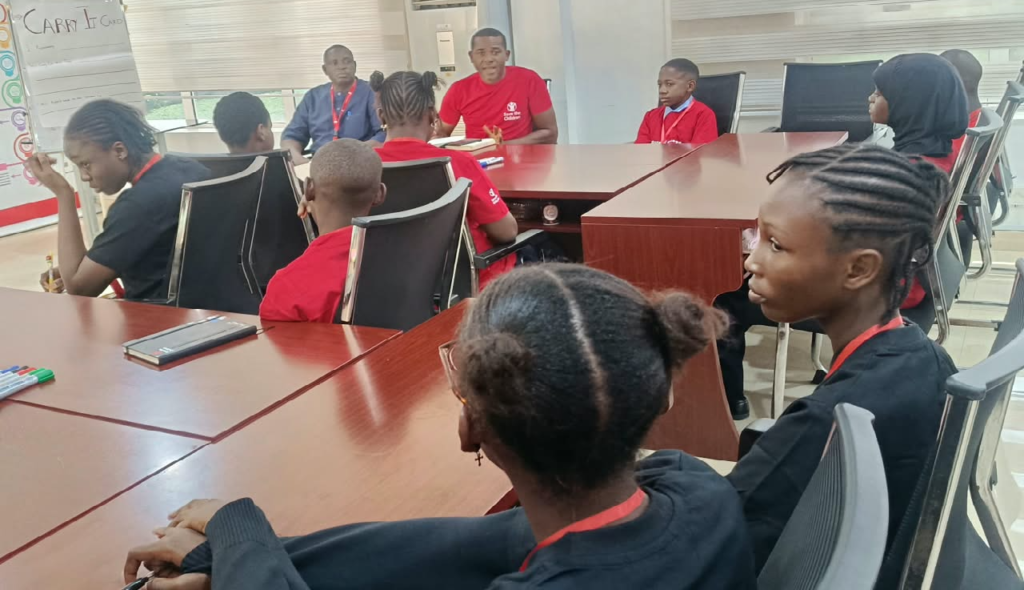
Deputy Director of Advocacy, Campaign, Communication and Media at Save the Children Nigeria, Badar Musa, disclosed this during a consultation with child advocates and government representatives in Abuja on Friday October 9.
Musa said the organisation is working with the Federal Ministry of Environment to develop key messages from children’s experiences for Nigeria to present at the summit. ” We are planning to take at least one Nigerian child advocate to the conference in November”.
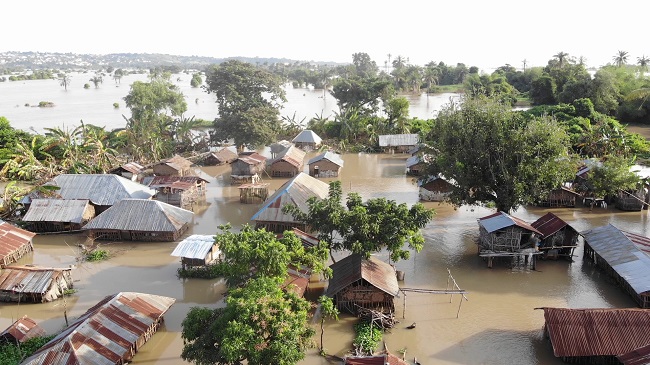
He said flooding prevents some children from accessing schools, while extreme heat makes classroom learning difficult. Food insecurity and malnutrition also threaten their health and development.
“Anything for us without us is not for us,” Musa quoted the Deputy Speaker of the National Children’s Parliament as saying, emphasising the need to involve children in decisions affecting their future.
Musa revealed that Save the Children had established child advocacy platforms in states where it operates to help young people engage government authorities on climate change and other issues affecting them.
He added that some children had started tree-planting campaigns and environmental sanitation activities in their communities, with support from residents and government agencies.
Meanwhile, the Federal Ministry of Environment said Nigeria needed to move beyond climate commitments to actions that deliver measurable improvements in people’s lives.
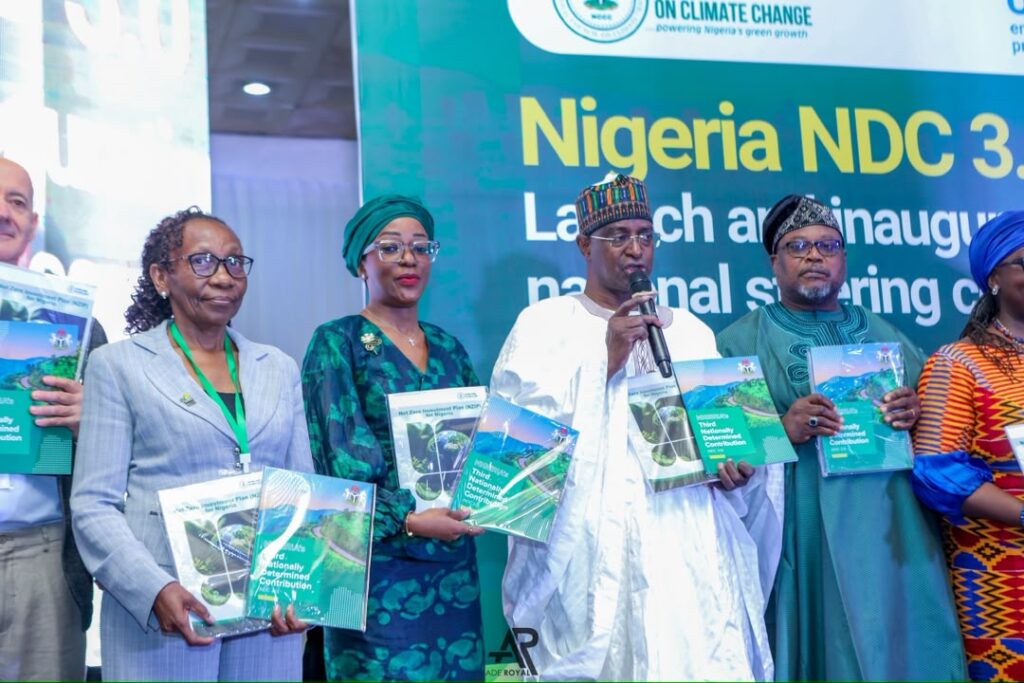
The ministry’s Director of Climate Change, Dr Iniobong Abiola-Awe, represented by the Principal Scientific Officer in the ministry Dolapo John-Akingbe, said Nigeria’s Enhanced Nationally Determined Contribution, NDC 3.0, commits the country to reducing greenhouse gas emissions by 20 per cent by 2030, without international support and with an ambition to achieve up to 47 per cent reductions with international support.
She affirmed the government had also developed a National Adaptation Plan to strengthen resilience to climate impacts, including changing rainfall patterns and coastal erosion. “Children’s experiences should inform policies designed to protect schools from flooding, improve access to water and create healthier communities”.
in her remarks, a Child advocate Miranda Retplang stressed how excessive classroom heat and poor ventilation made it difficult for pupils to concentrate during lessons and called for better classroom conditions and stronger security to protect children from kidnapping, terrorism as well as other threats on their journeys to school.
Retplang added that financial hardship also forced some children to hawk on the streets to support their families.
COP31 is scheduled to take place in Antalya, Türkiye, from 9 to 20 November 2026. Save the Children says it wants children’s experiences and priorities to inform Nigeria’s climate agenda at the global conference.