By Arinzechi Chukwunonso
Nigeria’s political landscape witnessed another shake-up on Tuesday as defections rattled the House of Representatives, with the Peoples Democratic Party (PDP) emerging as the biggest loser in the latest wave of cross-carpeting.
At plenary, Deputy Speaker Benjamin Kalu read multiple defection letters, underscoring a growing trend of political realignment as lawmakers quietly position themselves for the 2027 general elections.
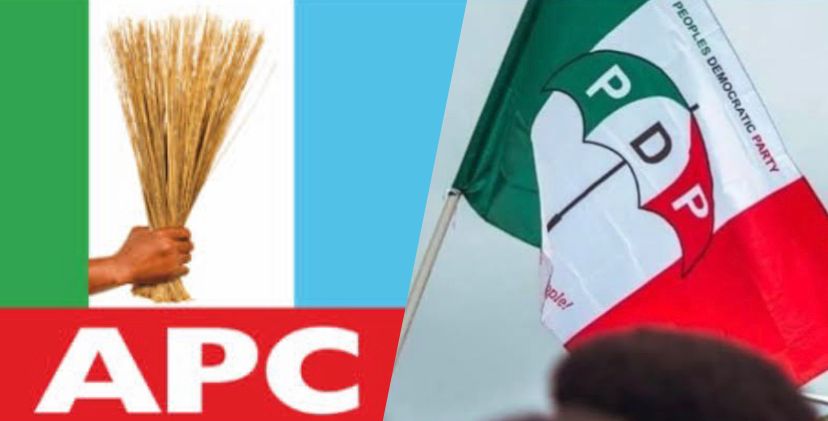
The PDP lost five members to rival parties, including defections to the All Progressives Congress (APC), the African Democratic Congress (ADC), and the Accord Party. Meanwhile, the APC also recorded setbacks, losing two lawmakers to opposition parties—highlighting a rare two-way movement across party lines.
One of the standout moves came from Lagos lawmaker Thaddeus Attah, who dumped the Labour Party for the ADC, citing internal leadership crises that he said had hindered effective representation.
Kalu downplayed fears of a looming one-party system, insisting the defections reflect democratic freedom rather than political dominance.
“This is the beauty of democracy,” he said, noting that lawmakers are moving both from majority to minority parties and vice versa.
Political observers say the shifting alliances are far from surprising. With primaries approaching and internal party disputes unresolved—especially within the PDP and Labour Party—many legislators are recalibrating their strategies to secure re-election tickets and align with stronger political blocs.
Since the inauguration of the 10th National Assembly in 2023, the APC has maintained a majority in the House. However, the growing influence of smaller parties like the ADC signals an evolving and more competitive political terrain.
As momentum builds toward 2027, analysts predict even more defections in the months ahead—reinforcing a familiar reality in Nigerian politics: loyalty often bends where electoral survival is at stake.